

How to Choose the Right Grinding Mill for Heavy Calcium Carbonate Powder?
Selecting the ideal grinding mill for heavy calcium carbonate (CaCO₃) powder production is critical for efficiency, cost control, and product quality. Here’s a concise guide to help you make an informed decision:
1. Define Your Requirements
Output Capacity: Match the mill’s hourly output (e.g., 1-50 tons) to your production needs.
Fineness Range: Ensure the mill achieves your target particle size (e.g., 200-2500 mesh).
Material Hardness: Heavy calcium carbonate typically has a Mohs hardness of 3 – opt for mills designed for medium-soft materials.
2. Compare Mill Types
Best for 80-400 mesh powder.
Low energy consumption, compact design.
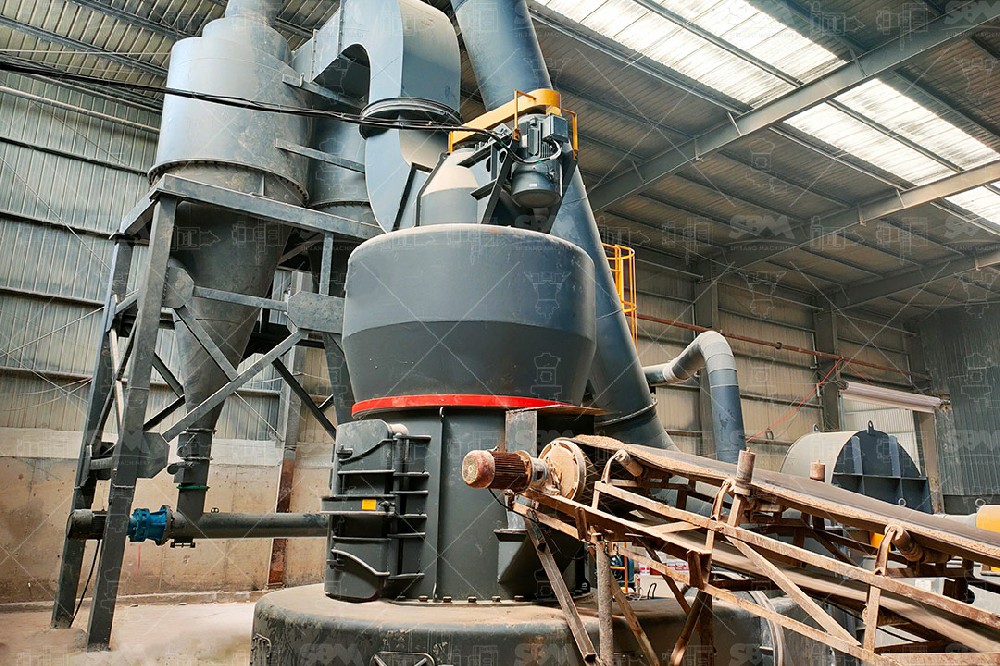
Ideal for ultra-fine powder (up to 2500 mesh).
Energy-efficient, eco-friendly, with automated controls.
3. Prioritize Key Features
Energy Efficiency: Look for ISO-certified mills with optimized power consumption.
Durability: Check grinding rollers/rings made from high-chrome alloy or ceramic.
Dust Control: Opt for closed-loop systems with pulse dust collectors.
Automation: Advanced models offer real-time monitoring and adjustment.
4. Evaluate Costs & Support
Budget: Compare upfront costs vs. long-term savings (energy, wear parts).
After-Sales Service: Ensure suppliers provide installation, training, and spare parts.
Warranty: Aim for at least 1-2 years of coverage for critical components.
Why Choose Us?
✅ 20+ Years of Expertise in mineral grinding solutions.
✅ Customizable Mills tailored to CaCO₃ specifications.
✅ 24/7 Technical Support and global shipping.


