

Key Factors Affecting the Output of Ore Grinding Mills
The efficiency and output of an ore grinding mill can be influenced by a variety of factors. Understanding these elements is essential for optimizing productivity and ensuring consistent performance in industrial applications.
Material Hardness and Moisture
Harder ores are more difficult to grind, requiring more time and energy. Additionally, high moisture content can lead to clogging and inefficient grinding.
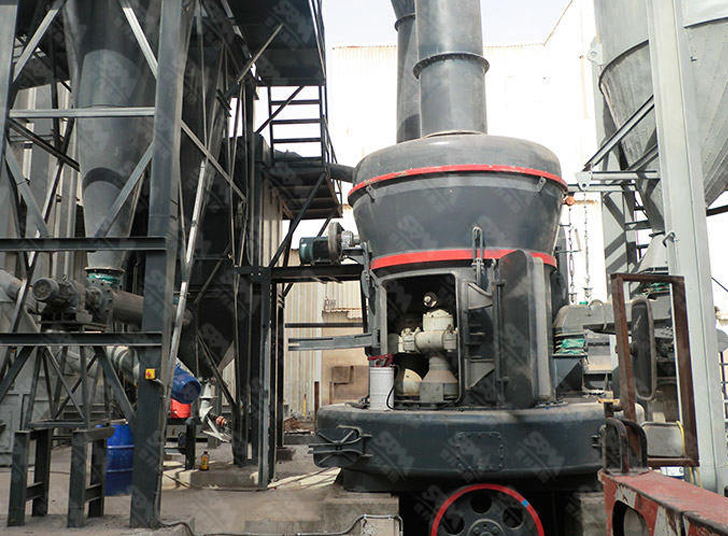
Feeding Size and Uniformity
Properly sized and evenly distributed raw material feeding ensures smoother operation and higher output. Oversized particles may reduce grinding efficiency and increase wear.
Grinding Mill Configuration
The design, type, and condition of grinding components such as rollers, rings, and blades directly affect throughput. Regular maintenance helps maintain stable performance.
Classifier and Separator Settings
Improper classification may cause coarse materials to recirculate, lowering productivity. Accurate separator calibration ensures ideal fineness and output balance.
Operating Parameters
Speed, air flow, and load pressure all play critical roles in optimizing performance. Automated control systems can help maintain ideal operating conditions.
By addressing these factors, users can significantly enhance ore grinding efficiency, reduce energy consumption, and maximize return on investment.


