

Auxiliary equipment for calcite powder lines
Published: October 26, 2023
Calcite powder production lines require robust auxiliary equipment to ensure optimal performance, energy efficiency, and consistent output quality. Shanghai SBM Machinery offers a comprehensive range of grinding mills—including the MTW European Trapezium Mill, LM Vertical Roller Mill, SCM Ultrafine Mill, LUM Ultrafine Vertical Mill, and Ball Mill—designed to address diverse processing needs. These systems integrate advanced features such as intelligent control, environmental compliance, and wear-resistant components, enabling clients to overcome common challenges like high operating costs, fineness control, and system reliability. With over 180 countries served, SBM's solutions are engineered to enhance productivity across non-metallic mineral applications.
In calcite powder processing, the selection of auxiliary grinding equipment directly impacts production efficiency and product quality. The MTW European Trapezium Grinding Mill, for instance, incorporates a patented cone gear whole transmission system and inner oil absorption lubrication, reducing energy loss and maintenance frequency. Its curved shovel blades and arc air duct design minimize wear on rollers and rings, extending operational life. These innovations are critical for lines targeting outputs between 30–400 mesh, where consistent particle size distribution is paramount.
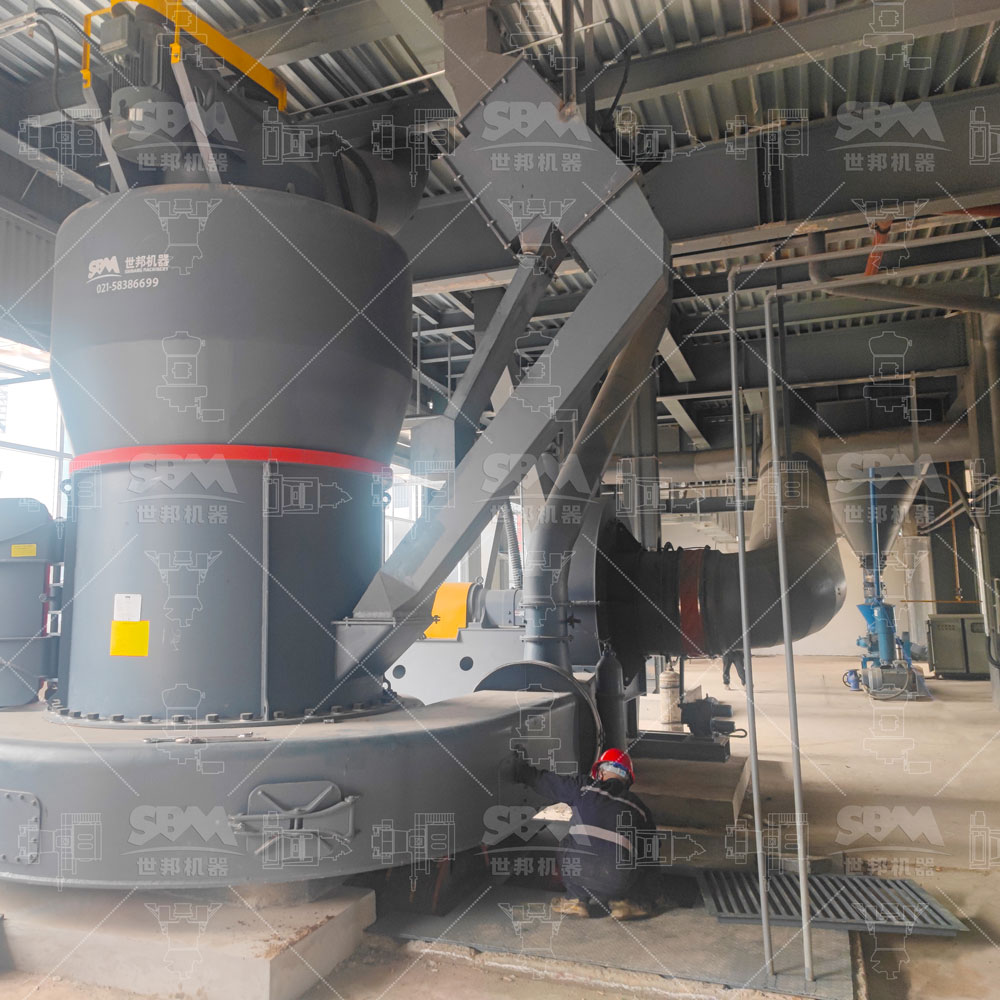
For large-scale calcite production, the LM Vertical Roller Mill stands out by integrating crushing, drying, grinding, and classification into a single unit. This compact design reduces floor space by up to 50% compared to conventional ball mills, while its automatic expert control system allows remote operation and real-time adjustments. The mill’s ability to operate under negative pressure ensures dust-free processing, aligning with stringent environmental standards. With capacities reaching 400 tph, it is ideal for high-volume applications such as construction materials or industrial fillers.
Ultrafine calcite powders (e.g., 4000 mesh) demand specialized technology. The SCM Ultrafine Mill and LUM Ultrafine Vertical Mill leverage high-efficiency turbine classifiers and frequency-conversion control to achieve precise fineness tuning. The LUM model, incorporating German separation technology and Taiwan-derived roller designs, enables primary grinding to yield up to 70 tph of high-purity powder. Its multi-rotor classifier eliminates coarse particle spillage, ensuring uniformity for premium sectors like plastics masterbatch or synthetic stones.
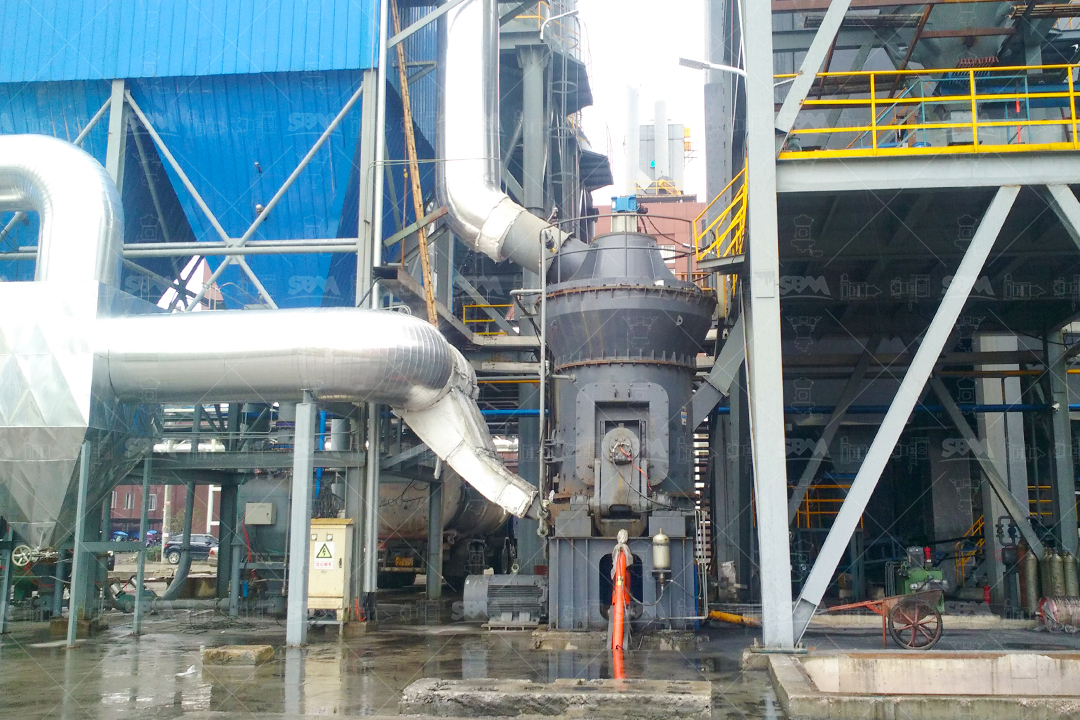
Ball mills remain relevant for coarse to medium grinding, particularly in wet or dry configurations. SBM’s optimized ball mills feature reinforced linings and grinding media to reduce wear rates. However, for calcite-specific lines, vertical and trapezium mills often deliver superior energy savings—up to 40% lower consumption than traditional systems. Additionally, their sealed structures and noise-dampening technologies contribute to safer, cleaner workplaces.
Beyond hardware, SBM’s focus on operational support ensures clients can troubleshoot issues like material buildup, classifier calibration, or roller alignment proactively. Regular maintenance protocols—such as inspecting wear-prone parts in MTW mills or calibrating PLC systems in LUM units—help sustain peak performance. By partnering with SBM, producers gain access to end-to-end solutions tailored to their capacity, fineness, and sustainability goals.
Frequently Asked Questions (FAQs)
- How do I prevent excessive wear in grinding rollers and rings?
Opt for mills with combined-type shovel blades (e.g., MTW Series) or special alloy rollers (e.g., LUM Vertical Mill), which reduce direct friction and extend service life by up to 30%. - Can the system achieve consistent fineness below 5μm?
Yes, ultrafine mills like the SCM and LUM series use advanced classifiers and PLC controls to maintain D97 ≤5μm, with options for 4000 mesh outputs. - What measures ensure environmental compliance?
All SBM mills feature negative-pressure sealing, pulse dust collectors, and noise-reduction chambers to meet international emission standards. - Is remote monitoring available?
Yes, models like the LM Vertical Roller Mill include automated control systems for remote operation, reducing labor costs and human error. - How can energy consumption be minimized?
Vertical roller mills cut energy use by 30–40% through integrated grinding-drying processes and efficient transmission systems like cone gears.


