

Daily maintenance of gypsum grinding mills
Published: October 26, 2023
Effective daily maintenance is crucial for optimizing the performance and longevity of gypsum grinding mills in industrial applications. Proper maintenance routines not only prevent unexpected downtime but also ensure consistent product quality, energy efficiency, and operational safety. This article provides comprehensive guidelines for maintaining various types of grinding mills used in gypsum processing, drawing from SBM Machinery's extensive expertise in mineral processing equipment. By implementing these practices, operators can significantly reduce wear part consumption, maintain optimal fineness control, and maximize equipment lifespan while addressing common operational challenges.
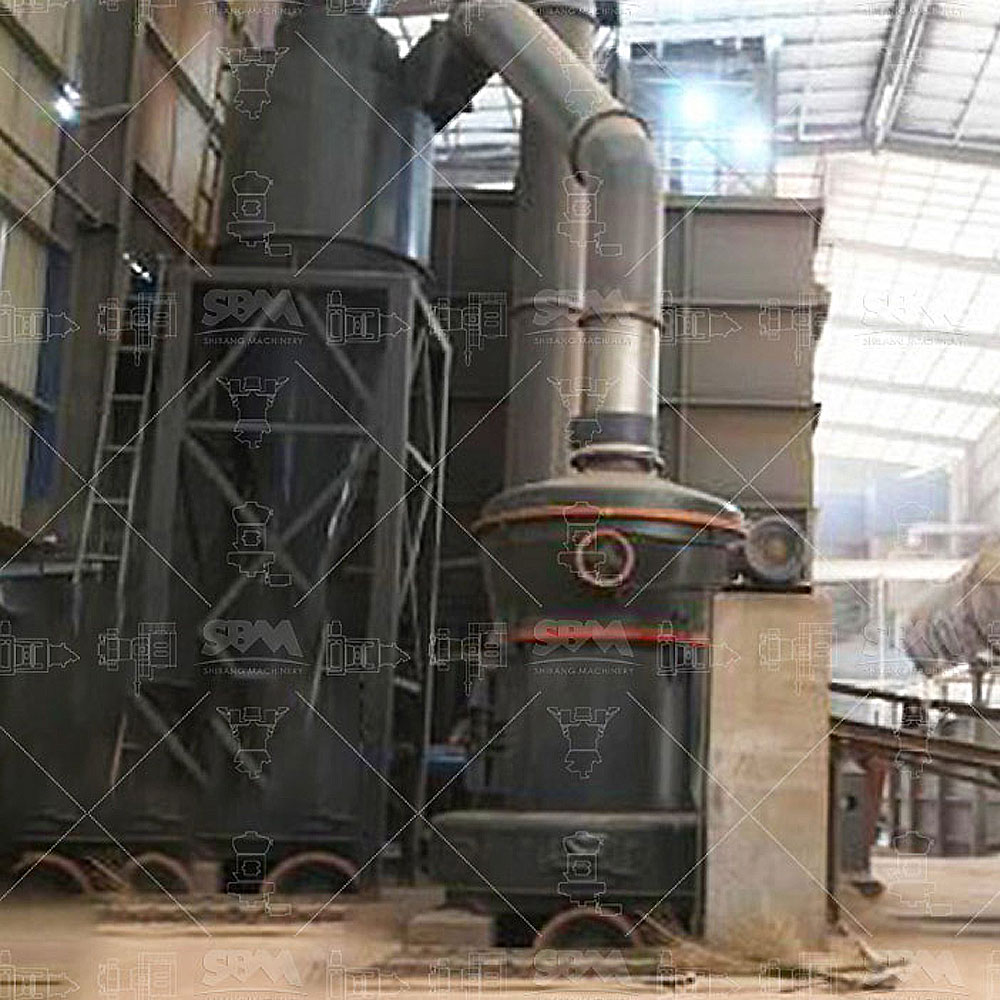
Gypsum grinding requires specialized equipment capable of handling the material's unique characteristics, including its moderate hardness and potential for moisture content. SBM Machinery's portfolio includes several mill types suitable for gypsum processing, each with distinct maintenance requirements. The MTW European Trapezium Mill, LM Vertical Roller Mill, SCM Ultrafine Mill, LUM Ultrafine Vertical Mill, and optimized Ball Mills all offer specific advantages for different gypsum processing applications, from construction-grade plaster to high-purity industrial fillers.
Critical Daily Maintenance Procedures
Daily maintenance begins with comprehensive visual inspections before startup. Operators should examine all accessible components for signs of abnormal wear, misalignment, or damage. For trapezium mills like the MTW series, particular attention should be paid to the wear-proof perching knife and curved shovel blades, which directly impact feeding efficiency and material distribution. The unique combined-type shovel blade design allows for individual component replacement, reducing maintenance costs when properly monitored.
Lubrication system checks form another essential daily routine. The inner oil absorption lubrication system in MTW mills requires verification of proper oil levels, contamination checks, and monitoring of filtration systems. For vertical roller mills, the integrated grinding roller lubrication systems must maintain correct viscosity and cleanliness to prevent premature bearing failure. Automated lubrication systems should be checked for proper operation and any signs of leakage.
Wear Part Monitoring and Management
Gypsum's abrasive nature necessitates rigorous monitoring of wear components. In vertical roller mills, the grinding rollers and table liners experience continuous wear that directly affects grinding efficiency and product fineness. The advanced material technology used in SBM's LM Vertical Roller Mills extends service life, but daily thickness measurements and visual inspections remain essential. Documentation of wear rates helps predict replacement intervals and plan maintenance shutdowns.
For ultrafine grinding applications using SCM or LUM series mills, the grinding rings and rollers require particular attention. The heavy rotor design and special materials provide extended durability, but daily checks for abnormal wear patterns can identify issues with material feeding or classifier operation early. The absence of bearing screws in the grinding chamber reduces failure points but necessitates verification of proper rotor balance and alignment.
_1762445903201.jpg)
Operational Parameter Verification
Daily verification of operational parameters ensures consistent gypsum product quality. The advanced control systems in SBM mills, including PLC/DCS automation, provide real-time monitoring of critical parameters. Operators should verify grinding pressure, classifier speed, and mill vibration levels against established baselines. For trapezium mills, the cone gear whole transmission system requires monitoring for unusual noise or temperature increases that might indicate alignment issues.
Product fineness represents a key quality parameter in gypsum processing. The efficient vertical turbine powder classifiers in ultrafine mills need daily verification of cutting size accuracy through product sampling. Frequency-conversion control systems allow precise adjustment, but regular calibration ensures maintained performance. The multi-rotor powder classifiers in LUM series mills provide exceptional separation efficiency when properly maintained.
Environmental System Maintenance
Dust collection and noise control systems require daily attention to maintain environmental compliance and operator safety. The arc air duct design in MTW mills minimizes energy loss but needs inspection for material buildup or guard plate damage. Whole system sealing integrity checks prevent gypsum dust escape, particularly important given gypsum's potential impact on air quality. The efficient double powder collecting method combining cyclones and pulse dust collectors needs verification of proper operation through differential pressure monitoring.
Noise control systems, including optimized sound insulation rooms and mufflers, should be inspected for integrity. While SBM mills operate with minimal vibration, daily checks ensure noise levels remain within acceptable limits. The negative pressure operation of complete systems prevents dust spillage but requires confirmation through pressure differential measurements.
Preventive Maintenance Scheduling
While daily maintenance focuses on immediate operational concerns, documenting observations supports effective preventive maintenance planning. Tracking wear rates, lubrication consumption, and performance trends allows optimization of component replacement schedules. The comprehensive data collected through automated control systems facilitates predictive maintenance, identifying potential issues before they cause unplanned downtime.
Regular maintenance of auxiliary systems, including feeding devices, classifiers, and dust collectors, ensures overall system reliability. The compact layout and outdoor installation capability of SBM mills simplify access for maintenance, but scheduled inspections of structural components and fasteners prevent developing issues.
Frequently Asked Questions
How often should grinding rollers and rings be replaced in gypsum applications?
Replacement intervals vary significantly based on gypsum hardness, production volume, and maintenance practices. With proper daily inspection and documentation of wear rates, most operations can expect several thousand hours of service from premium wear parts. The special materials used in SBM mills typically provide 30-50% longer service life compared to standard components.
What are the most common causes of reduced output fineness in gypsum mills?
Classifier wear, improper grinding pressure, and worn grinding elements most commonly cause fineness issues. Daily verification of classifier operation and grinding element condition prevents gradual performance degradation. The intelligent control systems in SBM mills automatically compensate for some wear, but manual verification ensures optimal performance.
How can I reduce energy consumption while maintaining gypsum quality?
Optimizing grinding pressure, maintaining proper material bed depth, and ensuring classifier efficiency significantly impact energy use. SBM mills typically operate 30-40% more efficiently than traditional systems, but daily parameter optimization maximizes these benefits. The automatic control systems help maintain optimal efficiency under varying conditions.
What daily checks prevent unplanned downtime?
Lubrication system verification, wear part inspection, vibration monitoring, and control system calibration form the essential daily checklist. Documenting trends in these parameters allows early identification of developing issues before they cause equipment failure.
How does moisture content affect gypsum grinding maintenance?
Higher moisture increases material adhesion and potential for clogging, particularly in fine grinding applications. The integrated drying systems in SBM vertical mills handle moderate moisture, but daily verification of drying efficiency and mill internal condition prevents material buildup issues. Proper moisture control significantly extends wear part life.


