

Main components of a vertical roller mill
Published on: October 26, 2023
Vertical roller mills (VRMs) represent one of the most efficient and versatile solutions in modern grinding technology, integrating multiple processes into a single compact unit. Developed through extensive research and customer feedback, these mills combine crushing, drying, grinding, classification, and conveying operations, delivering significant advantages in energy efficiency, space utilization, and environmental performance. As industries increasingly prioritize sustainability and operational cost reduction, VRMs have become the preferred choice for applications ranging from cement production to mineral processing and power generation.
The grinding system forms the core of any vertical roller mill, consisting primarily of the grinding table and rollers. These components work in tandem to crush and grind raw materials fed into the mill. The grinding table rotates while the rollers, hydraulically pressurized against the table, exert compressive forces on the material bed. This arrangement creates a highly efficient grinding mechanism that minimizes metal-to-metal contact, significantly reducing wear compared to traditional ball mills. The rollers and table are typically manufactured from high-chromium cast iron or similar wear-resistant materials, ensuring extended service life even when processing abrasive materials.
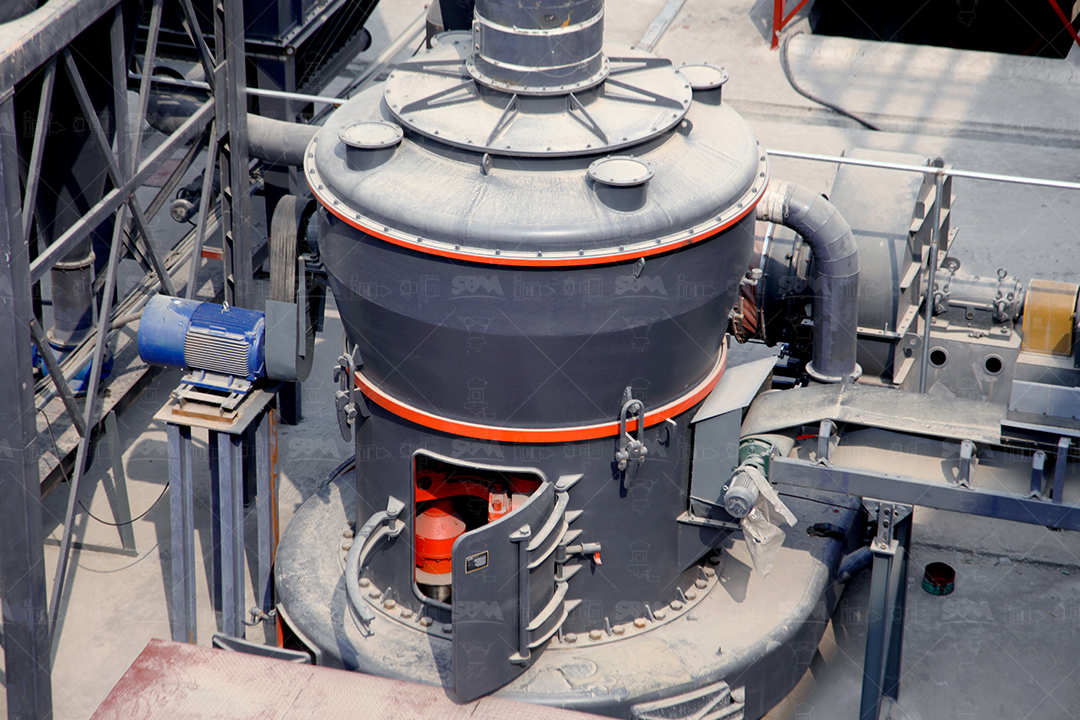
Above the grinding zone, the classification system plays a crucial role in determining final product quality. Modern VRMs employ dynamic separators with adjustable rotor speeds that precisely control particle size distribution. This technology allows operators to fine-tune product fineness without stopping the mill, providing exceptional flexibility to meet varying customer requirements. The separator's efficient operation ensures that only properly sized particles exit the mill as finished product, while oversize material is returned to the grinding bed for further processing. This closed-circuit operation maximizes efficiency and maintains consistent product quality.
The drive system represents another critical component, typically comprising a main motor, reduction gearbox, and the grinding table support structure. Advanced VRMs feature planetary gearboxes that offer high torque transmission capabilities with minimal energy losses. The direct coupling between motor and grinding table eliminates the need for auxiliary components like edge drives, reducing maintenance requirements and improving overall reliability. Many modern designs incorporate dual drive systems with multiple motors that share the load, providing redundancy and allowing continued operation at reduced capacity should one drive unit require maintenance.
Drying capability represents one of the VRM's most significant advantages over alternative grinding technologies. Hot gases introduced through the mill housing simultaneously dry moist feed materials and transport ground particles to the separator. The gas flow pattern is carefully engineered to maximize heat transfer while maintaining stable operation across varying moisture conditions. This integrated drying function eliminates the need for separate drying equipment, reducing both capital investment and operating costs. The mill's vertical orientation and air-swept design ensure optimal gas-solid contact, making it particularly suitable for processing materials with moisture contents up to 15-20%.
The hydraulic system provides the necessary pressure for the grinding rollers to effectively comminute the feed material. Modern VRMs feature individual hydraulic cylinders for each roller, allowing independent pressure adjustment to accommodate uneven feed distribution or varying material characteristics. Sophisticated control systems continuously monitor and adjust grinding pressure based on mill vibration, power consumption, and other operating parameters. This automation ensures stable operation while protecting the mill from damage caused by excessive loading or sudden changes in feed conditions.
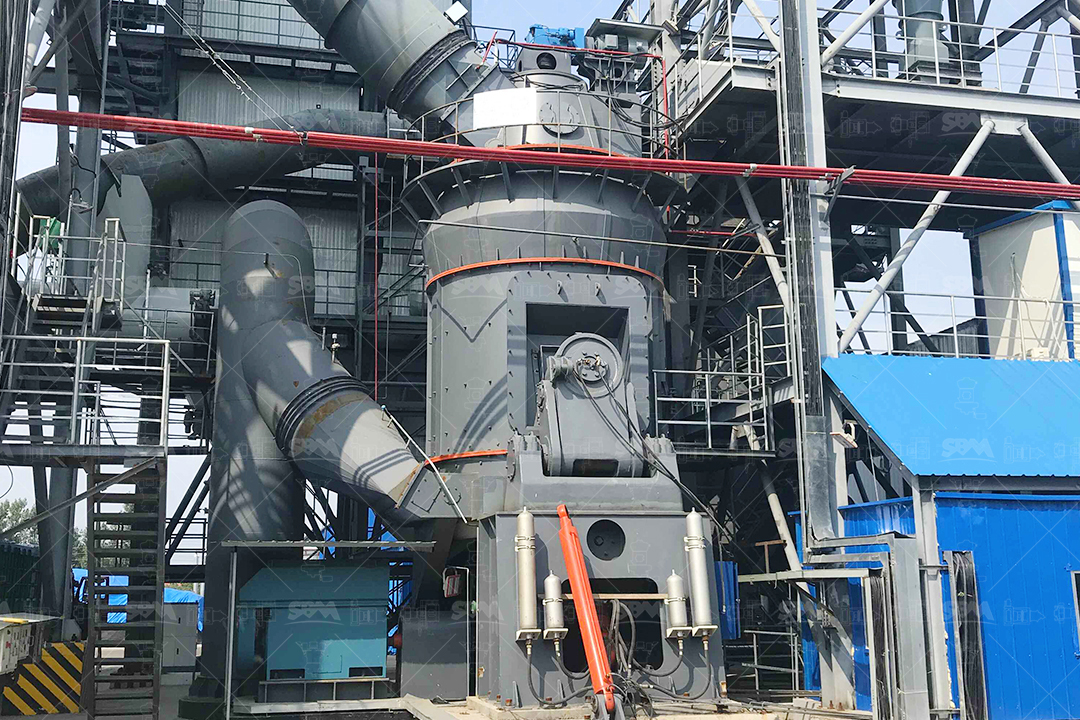
Instrumentation and control systems have become increasingly sophisticated in modern VRMs. PLC-based control systems integrate all mill functions, including grinding pressure regulation, separator speed control, feed rate management, and temperature monitoring. These systems employ advanced algorithms to optimize mill performance, automatically adjusting operating parameters to maintain target production rates and product quality while minimizing energy consumption. Remote monitoring capabilities allow operators to supervise mill performance from control rooms, while historical data logging facilitates preventive maintenance planning and troubleshooting.
The housing and foundation structure must withstand significant dynamic loads while maintaining precise alignment of all rotating components. VRM housings are typically constructed from heavy steel plates with reinforced sections at high-stress locations. Internal surfaces exposed to abrasive wear are protected by replaceable liners made from wear-resistant materials. The mill foundation is engineered to absorb vibration and maintain structural integrity throughout the equipment's operational life. Proper design of these structural elements is essential for reliable, long-term operation with minimal maintenance requirements.
Auxiliary systems complete the VRM package, including feed systems that ensure consistent material supply, product collection equipment such as baghouse filters or electrostatic precipitators, and material handling systems for finished product transport. These components are carefully integrated with the main mill to create a cohesive system that operates seamlessly across varying production conditions. The comprehensive nature of modern VRM designs reflects decades of continuous improvement, incorporating lessons learned from thousands of installations worldwide to deliver reliable, efficient performance across diverse industrial applications.
Frequently Asked Questions
What is the typical service life for grinding rollers and tables?
With proper maintenance and operation, high-quality grinding rollers and tables can typically achieve 8,000-12,000 hours of service life before requiring major refurbishment. The exact lifespan depends on material abrasiveness, operating pressure, and maintenance practices. Regular inspection and timely replacement of wear parts can extend overall component life.
How does the vertical roller mill handle variations in feed moisture content?
VRMs are designed with integrated drying capability using hot gas sources. The control system automatically adjusts gas temperature and flow rate to maintain stable operation with feed moisture variations up to 15-20%. For higher moisture contents, pre-drying systems may be recommended to ensure optimal mill performance.
What maintenance activities are required for optimal VRM performance?
Regular maintenance includes inspection and replacement of wear parts (rollers, table segments, liners), lubrication system checks, hydraulic system maintenance, separator inspections, and alignment verification. Predictive maintenance using vibration analysis and wear monitoring can significantly reduce unplanned downtime.
Can the vertical roller mill achieve the same product fineness as traditional ball mills?
Yes, modern VRMs can achieve product fineness from 30 to 400 mesh (approximately 600 to 38 microns) in standard configurations, with specialized designs capable of producing even finer products. The integrated dynamic separator provides excellent particle size control and distribution consistency.
How does the energy consumption compare between VRMs and ball mills?
Vertical roller mills typically consume 30-40% less energy than traditional ball mills for similar applications. This efficiency advantage stems from the VRM's more efficient grinding mechanism, integrated drying capability, and reduced auxiliary power requirements for ventilation and material transport.


