

Cost of stone powder processing equipment
Published on: October 26, 2023
Selecting the right stone powder processing equipment involves balancing multiple factors beyond initial purchase price, including operational efficiency, maintenance requirements, energy consumption, and long-term reliability. Shanghai SBM Machinery Equipment Co., Ltd. offers a comprehensive range of grinding solutions tailored to various production needs, from coarse grinding to ultrafine applications. With equipment serving over 180 countries, SBM's technology integrates advanced engineering principles to optimize total cost of ownership while maintaining high environmental standards.
The true cost of stone powder processing equipment extends far beyond the initial capital investment. Operational expenses, maintenance frequency, energy consumption, and production output collectively determine the long-term financial viability of any grinding system. Understanding these interconnected factors is crucial for selecting equipment that delivers optimal value throughout its lifecycle.
Modern grinding technology has evolved significantly to address the diverse requirements of industries such as power generation, building materials, mining, metallurgy, chemicals, and non-metallic minerals. Each application demands specific particle size distributions, production capacities, and material characteristics that influence equipment selection and operational costs.
Key Equipment Options and Their Cost Implications
European Trapezium Mill: Balanced Performance
The MTW Series European Trapezium Grinding Mill represents a significant advancement in traditional grinding technology. Developed through extensive research and incorporating feedback from thousands of customers worldwide, this mill features several innovations that reduce operating costs. The cone gear whole transmission system enhances efficiency while saving space, and the inner oil absorption lubrication system minimizes maintenance requirements. The unique wear-proof perching knife design allows for replacement of only the blade during maintenance, significantly reducing spare parts inventory and downtime costs.
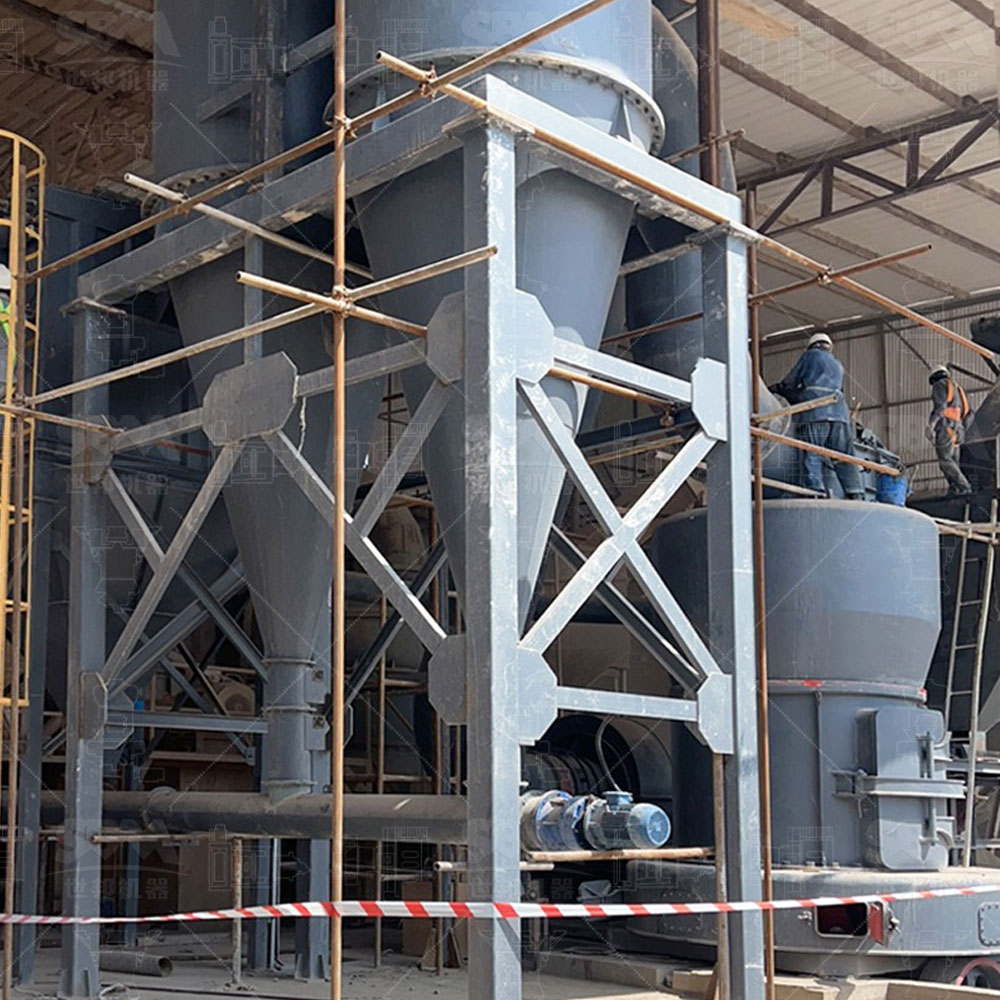
The arc air duct design prevents energy loss during material transportation, while the volute design improves wind-driven transmission efficiency. With capacity ranging from 3-40tph and output fineness adjustable between 30-400 mesh, this equipment provides versatile processing capabilities for various materials including limestone, calcite, and dolomite.
Vertical Roller Mill: High Efficiency Solution
Vertical Roller Mills address common industry challenges of low output and high energy consumption. By integrating crushing, drying, grinding, powder separation, and transportation functions into a single unit, these systems offer substantial space savings—approximately 50% compared to traditional ball mill systems. The compact layout and outdoor installation capability further reduce infrastructure costs.
Operating costs are minimized through several design features. The grinding rollers do not directly contact the grinding plate, and both components utilize high-quality materials for extended service life. Energy consumption is 30-40% lower than conventional ball milling systems, representing significant long-term savings. The automatic control system enables remote operation and reduces labor requirements, while the fully sealed system operating under negative pressure ensures environmental compliance without dust emissions.
Ultrafine Grinding Solutions
For applications requiring extremely fine powders, SCM series ultrafine grinding mills offer capabilities ranging from 325 to 2500 meshes, with some applications achieving fineness up to 4000 meshes. Despite the higher energy requirements typically associated with ultrafine grinding, these mills incorporate efficiency innovations that deliver output more than twice that of jet mills with 30% lower energy consumption.
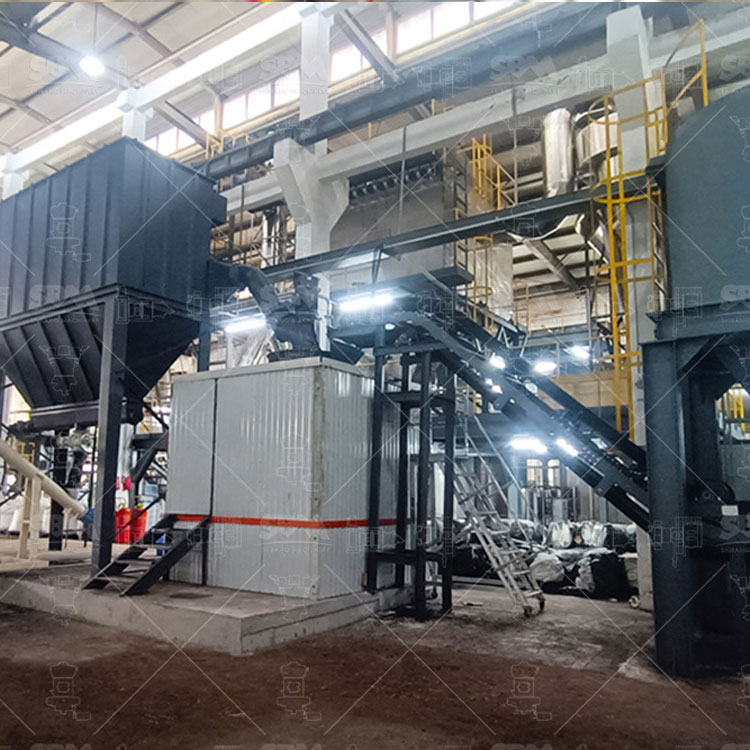
The heavy rotor design and special material selection for rollers and rings provide exceptional durability, while the absence of bearing screws in the grinding chamber ensures stable, vibration-free operation. Environmental considerations are addressed through efficient double powder collection systems that exceed international standards for dust control.
Factors Influencing Total Cost of Ownership
Energy Consumption Patterns
Energy represents the single largest operational expense in stone powder processing, typically accounting for 40-60% of total operating costs. Equipment selection should consider not only the rated power consumption but also the efficiency across different operating conditions. Modern mills with frequency-conversion controls and optimized grinding mechanisms can adapt to varying feed materials and production requirements, maintaining efficiency throughout the equipment lifecycle.
Maintenance and Spare Parts Strategy
The frequency and complexity of maintenance directly impact operational availability and repair costs. Equipment designed with easily replaceable wear components and accessible service points reduces downtime during maintenance cycles. The utilization of special materials for high-wear components extends service intervals, while standardized parts inventory simplifies supply chain management.
Production Flexibility and Scalability
Processing requirements often evolve over time, necessitating equipment that can accommodate changing production needs. Mills with adjustable output fineness, capacity ranges, and compatibility with various materials provide long-term value by adapting to market demands without requiring complete system replacement.
Technical Considerations for Cost Optimization
Modern grinding equipment incorporates numerous technical innovations that contribute to cost reduction. Intelligent control systems enable precise adjustment of grinding parameters, optimizing performance for specific materials and production requirements. Advanced separation technologies ensure consistent product quality while minimizing reprocessing needs. Environmental compliance features, while sometimes increasing initial investment, prevent costly regulatory issues and potential production stoppages.
The integration of drying capabilities within grinding systems eliminates the need for separate drying equipment, reducing both capital expenditure and floor space requirements. For moisture-sensitive materials, this integrated approach can significantly improve overall process efficiency and product quality.
Future Trends in Stone Powder Processing
The evolution of grinding technology continues to focus on energy efficiency, digitalization, and sustainability. Equipment manufacturers are increasingly incorporating IoT capabilities for predictive maintenance and remote monitoring, potentially reducing unplanned downtime and optimizing spare parts management. Advances in material science continue to extend component lifespan, particularly for high-wear applications.
As environmental regulations become more stringent worldwide, equipment that inherently minimizes emissions and noise pollution provides long-term operational security. The ability to process alternative raw materials and byproducts also adds value in markets increasingly focused on circular economy principles.
Conclusion
Evaluating the cost of stone powder processing equipment requires comprehensive analysis of both immediate and long-term financial implications. The most economically viable solution typically balances initial investment with operational efficiency, maintenance requirements, and production flexibility. With technological advancements continuously improving performance metrics, modern grinding equipment offers unprecedented opportunities to optimize processing costs while maintaining product quality and environmental compliance.
Frequently Asked Questions
What is the typical energy consumption difference between vertical roller mills and traditional ball mills?
Vertical roller mills typically consume 30-40% less energy compared to traditional ball milling systems. This significant reduction comes from the more efficient grinding mechanism where rollers directly grind materials on the grinding plate, minimizing energy loss through friction and heat generation.
How often do grinding rollers and rings need replacement in ultrafine grinding applications?
Replacement frequency depends on material abrasiveness and operating conditions, but specialized materials used in SBM's ultrafine mills can extend service life several times compared to conventional components. The heavy rotor design and balanced grinding chamber further reduce wear rates, typically allowing for extended operation periods between maintenance.
Can the same equipment handle different types of mineral materials?
Most modern grinding mills are designed for material versatility, with adjustable parameters to accommodate different mineral characteristics. However, optimal efficiency requires proper configuration of grinding pressure, classifier speed, and other operating parameters specific to each material's hardness, moisture content, and desired fineness.
What environmental compliance features are integrated into modern grinding equipment?
Contemporary systems incorporate multiple environmental protections including fully sealed designs operating under negative pressure to prevent dust emissions, efficient powder collection systems exceeding international standards, noise reduction technologies through optimized sound insulation, and energy-efficient operation that reduces overall carbon footprint.
How does the automatic control system reduce operational costs?
Advanced control systems enable remote operation, reducing labor requirements while maintaining consistent product quality. Features like automatic pressure adjustment, frequency-conversion control, and expert system optimization minimize human error, adapt to varying feed conditions, and prevent equipment damage through intelligent monitoring and response mechanisms.


