

Output of high-pressure roller mills
Published on: October 26, 2023
High-pressure roller mills represent a significant advancement in grinding technology, delivering superior output efficiency across various industrial applications. These mills integrate crushing, drying, grinding, and classification into a single system, optimizing both energy consumption and operational costs. With capacities ranging from 3 to 400 tph and output fineness adjustable between 30 and 4000 mesh, modern roller mills cater to diverse requirements in mineral processing, cement production, and environmental desulfurization. Key innovations such as cone gear transmission, automated control systems, and wear-resistant components ensure consistent performance while minimizing maintenance needs. As industries increasingly prioritize sustainability and cost-effectiveness, high-pressure roller mills have emerged as the cornerstone of efficient powder processing solutions.
The evolution of grinding technology has been driven by the need for higher throughput and finer particle distribution. Traditional ball mills, while reliable, often struggle with high energy consumption and rapid wear of grinding media. In contrast, high-pressure roller mills utilize a bed compression mechanism, where material is ground between two counter-rotating rollers. This method not only reduces specific energy consumption by 30–40% but also minimizes metal-to-metal contact, extending the lifespan of critical components. For instance, SBM's Vertical Roller Mill (LM Series) integrates drying and grinding functions, making it ideal for moisture-sensitive materials like slag and petroleum coke. Its compact design reduces floor space by up to 50% compared to conventional systems, allowing for outdoor installation and lower infrastructure costs.
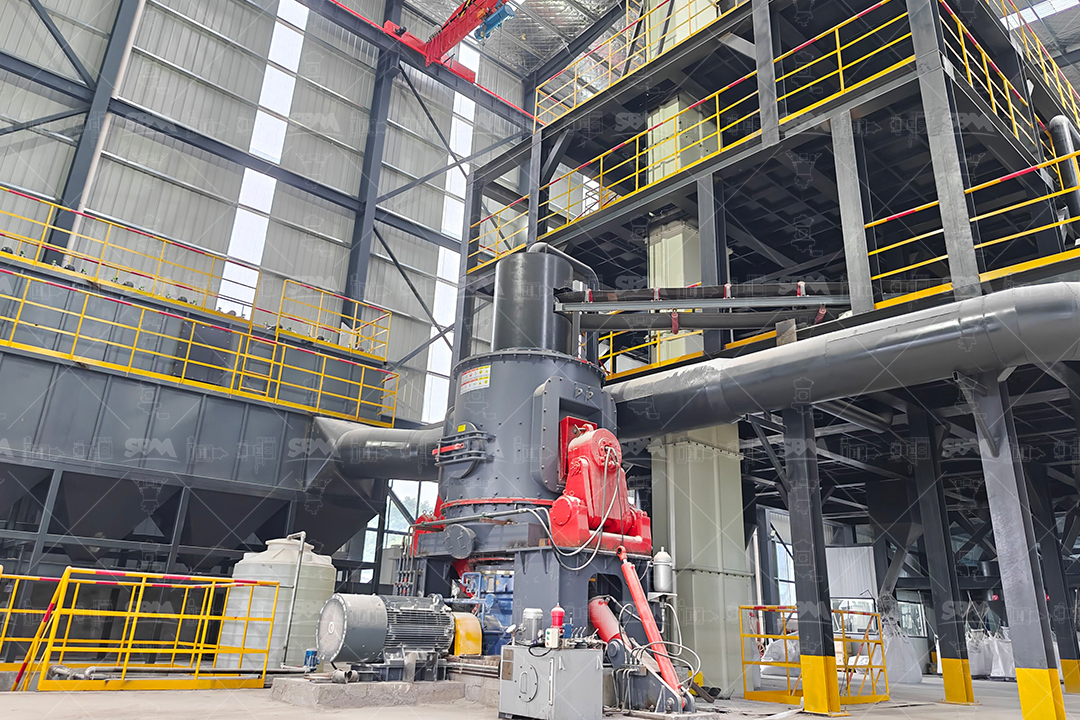
One of the most critical aspects of roller mill performance is the ability to maintain consistent output quality under varying feed conditions. Advanced control systems, such as PLC/DCS automation, enable real-time adjustments to grinding pressure, classifier speed, and feed rate. This ensures that the final product meets precise specifications, whether for coarse limestone powder in desulfurization applications or ultrafine calcium carbonate in plastics manufacturing. The MTW European Trapezium Mill, for example, features an arc air duct design that minimizes energy loss during material transport, while its combined-type shovel blades reduce replacement frequency by allowing only the blade—not the entire assembly—to be swapped during maintenance.
Output flexibility is another hallmark of modern roller mills. The LUM Ultrafine Vertical Mill achieves fineness levels up to 4000 mesh, catering to niche sectors like non-woven fabrics and masterbatch production. By incorporating multi-rotor powder classifiers and frequency-conversion controls, operators can fine-tune particle size distribution without interrupting production. This capability is particularly valuable in industries where product consistency directly impacts downstream processes, such as lithium battery material synthesis or high-purity ceramic manufacturing. Additionally, the mill's negative-pressure operation prevents dust emissions, aligning with global environmental standards.
Operational reliability remains a top concern for grinding system operators. High-pressure roller mills address this through robust construction and intelligent diagnostics. For instance, the SCM Ultrafine Mill employs a heavy rotor design and balanced grinding chamber to eliminate vibration, reducing the risk of unplanned downtime. Similarly, the Ball Mill series—optimized for both dry and wet grinding—leverages advanced materials to mitigate wear in grinding media. These innovations collectively enhance mean time between failures (MTBF), ensuring continuous operation in 24/7 production environments.
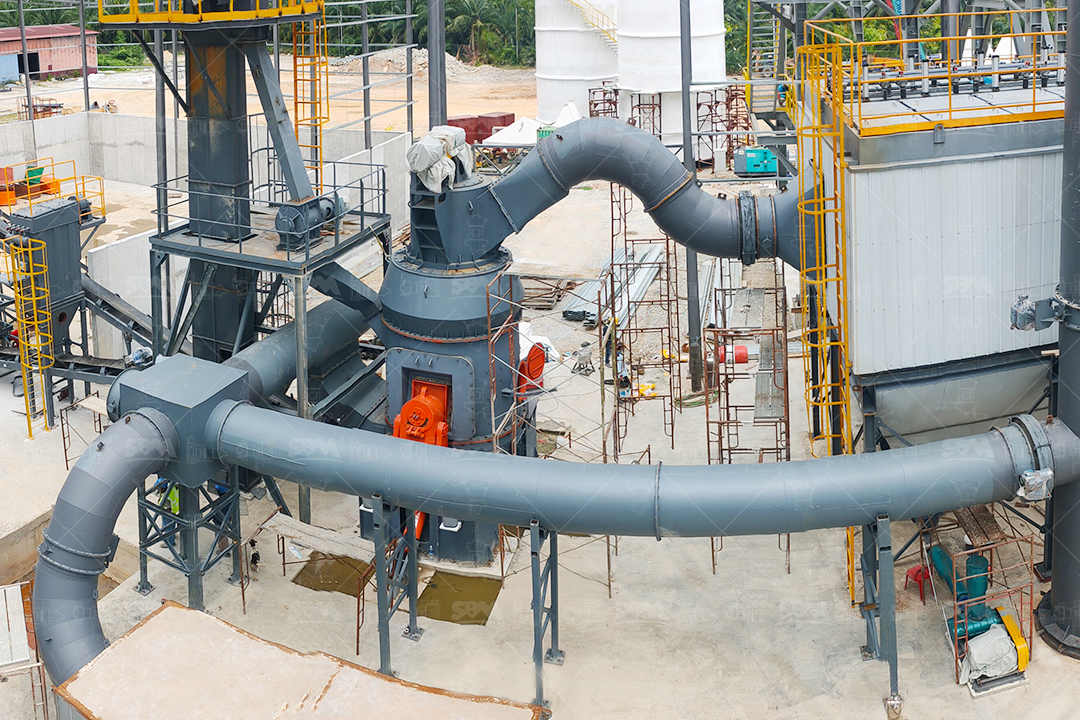
Beyond technical specifications, the success of roller mills hinges on their integration into broader processing workflows. SBM's solutions include tailored engineering support, from initial feasibility studies to commissioning and after-sales service. This holistic approach has enabled over 180 countries to adopt these systems for applications ranging from GCC production to coal powder preparation. As digitalization transforms industrial operations, future developments may incorporate IoT-enabled predictive maintenance and AI-driven optimization, further elevating output efficiency.
Frequently Asked Questions
- How can I mitigate roller and ring wear in high-abrasion applications?
Utilize mills with specialized wear-resistant materials and curved shovel blade designs that reduce direct contact, extending component lifespan by up to 300%. - What measures ensure consistent fineness when processing heterogeneous raw materials?
Implement automated control systems with real-time feedback loops to adjust grinding pressure and classifier speed dynamically. - Is it possible to retrofit older grinding systems with modern roller mill technology?
Yes, modular designs allow for partial upgrades, though a full system audit is recommended to assess compatibility and ROI. - How do roller mills handle materials with high moisture content?
Integrated drying systems use process heat or auxiliary dryers to reduce moisture before grinding, preventing clogging and ensuring flowability. - What steps minimize energy consumption without compromising output quality?
Optimize operational parameters like grinding pressure and airflow rates, and consider mills with high-efficiency transmission systems (e.g., cone gear drives).


