

Internal structure of vertical roller mills
Published on: October 26, 2023
Vertical roller mills (VRMs) represent one of the most efficient and technologically advanced solutions for grinding a wide variety of materials, from limestone and coal to slag and non-metallic minerals. As a core product in SBM Machinery's portfolio, our VRMs are engineered to integrate crushing, grinding, drying, and classification into a single compact unit, offering significant advantages in energy efficiency, operational cost, and environmental compliance. This article delves into the internal structure and working principles of SBM's vertical roller mills, highlighting the key components and technological innovations that make them a preferred choice in global powder processing industries.
The fundamental operation of a vertical roller mill revolves around a grinding table and rollers. Material is fed centrally onto the grinding table, where it is ground between the table and the rollers, which are hydraulically pressurized. The ground material is then transported by the airflow generated by an integrated fan to a classifier located at the top of the mill. The classifier separates the fine product from coarse particles, which are returned to the grinding table for further size reduction. This internal circulation system is key to achieving high efficiency and consistent product fineness.
At the heart of the grinding chamber are the grinding rollers and the grinding table (or plate). SBM's VRMs feature rollers and tables made from high-quality, wear-resistant materials. A critical design feature is that the rollers do not directly contact the grinding table; they operate with a slight gap or under hydraulic pressure, which significantly reduces wear. The shape of the rollers and the profile of the table are meticulously designed to optimize the grinding bed and maximize the material's residence time under the grinding force, leading to superior grinding efficiency.
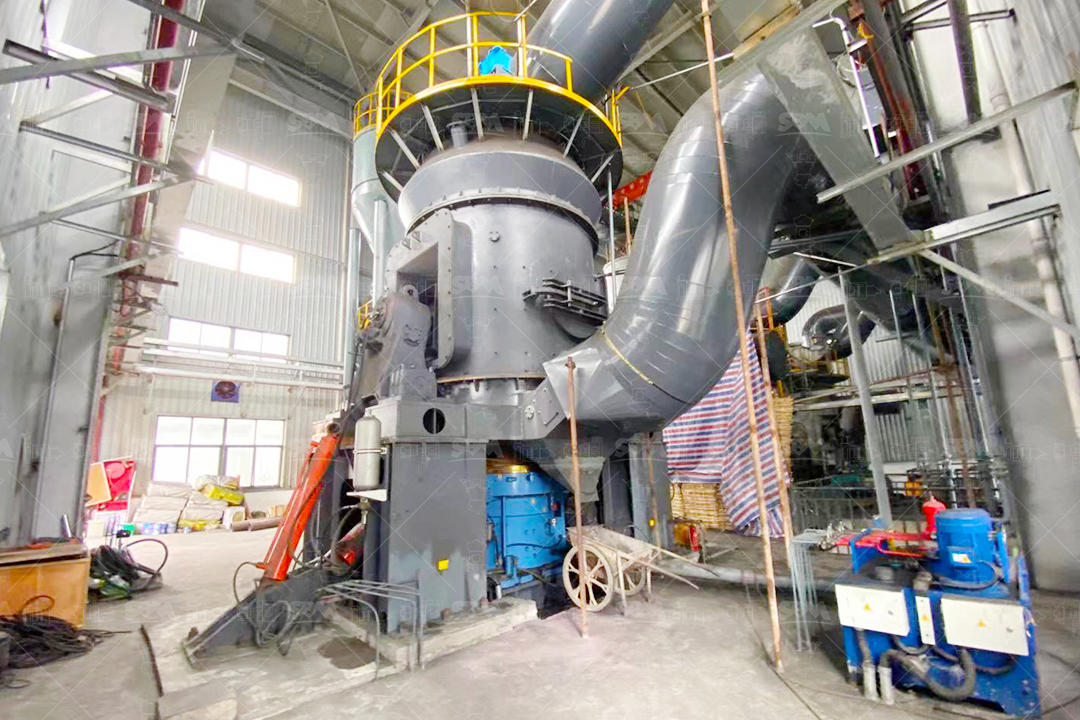
The drive system is another cornerstone of the VRM's internal structure. SBM employs an advanced cone gear whole transmission system. This design uses a bevel gear and planetary gearbox for direct drive, which transmits power from the motor to the grinding table with minimal energy loss. This integrated transmission is not only highly efficient but also compact, saving significant space and reducing the overall footprint of the grinding plant compared to traditional ball mill systems.
Drying is an integral function within the VRM. Hot gas, often from a pre-heater or a hot gas generator, is introduced into the mill housing through an arc air duct. This duct is designed to minimize air resistance and energy loss. The hot gases flow upwards through the grinding bed, simultaneously drying the material and transporting the ground fines to the classifier. This efficient integration of drying and grinding is particularly beneficial for materials with high moisture content, eliminating the need for a separate dryer.
The classifier is a vital component for determining the final product fineness. SBM's mills utilize advanced, multi-rotor dynamic classifiers. These classifiers use adjustable rotor speeds to create a precise cut point. Particles that are fine enough pass through the classifier blades and are collected as product, while oversized particles are rejected and fall back onto the grinding table for regrinding. This closed-circuit system within the mill body allows for precise control over product size, from 30 to over 4000 mesh, depending on the specific VRM model.
Modern VRMs from SBM are equipped with a sophisticated automatic control system. This system, often a PLC/DCS-based expert system, continuously monitors and controls key operational parameters such as grinding pressure, mill motor load, classifier speed, and gas flow. It ensures stable operation, optimizes production rates, and minimizes energy consumption. The system allows for remote monitoring and control, reducing the need for constant manual intervention and lowering labor costs.
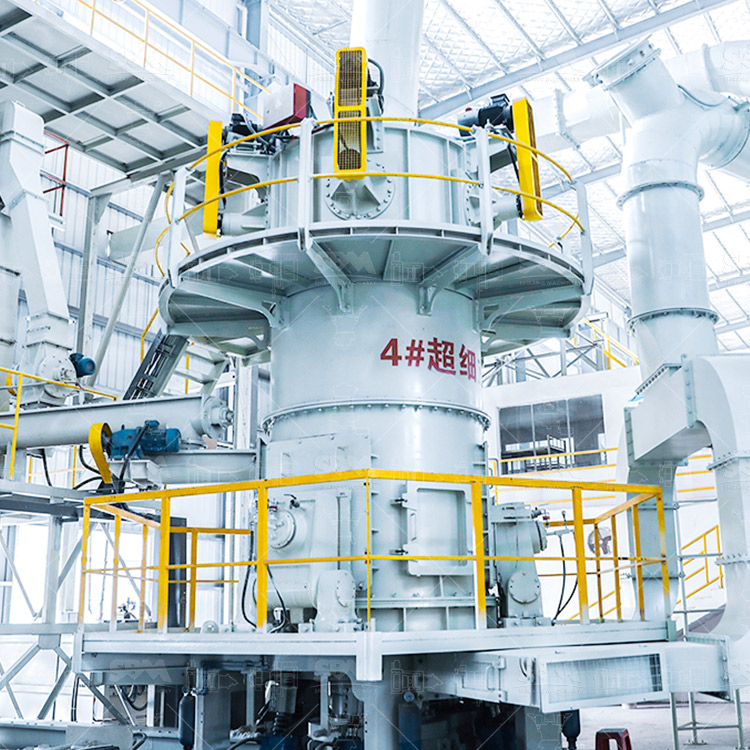
Environmental performance is built into the very structure of SBM's vertical roller mills. The entire grinding system is sealed and operates under negative pressure. This design prevents the escape of dust, ensuring a clean working environment and compliance with stringent environmental standards. Furthermore, the robust construction and balanced design of internal rotating parts result in low vibration and noise levels, contributing to a more sustainable and operator-friendly installation.
In conclusion, the internal structure of SBM's vertical roller mills is a testament to continuous innovation in grinding technology. By integrating multiple processes, employing wear-resistant materials, utilizing an efficient drive and classification system, and incorporating intelligent automation, these mills deliver unparalleled performance in terms of output, energy savings, and operational reliability. They stand as a comprehensive solution for industries seeking to optimize their powder production processes.
Frequently Asked Questions (FAQs)
1. What is the primary cause of high vibration in a VRM, and how can it be addressed?
High vibration is often caused by an unstable grinding bed, uneven feed, or mechanical issues like roller misalignment. SBM's automatic control system helps stabilize the grinding process by regulating feed rate and grinding pressure. Regular maintenance checks on the roller and table condition are also crucial.
2. How does the VRM achieve lower energy consumption compared to a ball mill?
The VRM's energy efficiency stems from its direct grinding principle on the table and the integrated classifier. It avoids the inefficiencies of tumbling and impact grinding found in ball mills. Additionally, the simultaneous drying and grinding process eliminates the energy need for a separate dryer.
3. What are the main wear parts in a VRM, and what is their typical service life?
The primary wear parts are the grinding rollers and the table liner. Their service life depends on the material's abrasiveness but is significantly extended in SBM mills due to the use of special composite materials and the design that minimizes direct metal-to-metal contact.
4. Can a VRM handle materials with high moisture content effectively?
Yes, one of the key advantages of a VRM is its integrated drying capability. By introducing hot gases directly into the grinding chamber, it can effectively dry and grind materials with moisture content up to a certain percentage, which varies based on the gas source temperature and mill size.
5. How is the product fineness controlled and adjusted during operation?
Fineness is primarily controlled by adjusting the speed of the dynamic classifier rotor. A higher rotor speed results in a finer product, while a lower speed produces a coarser powder. This adjustment can be made easily from the control panel, allowing for quick and precise changes to meet product specifications.


