

Quality issues with raymond mills
Published: October 26, 2023
Raymond mills, while historically significant in powder processing, frequently exhibit operational challenges that impact productivity and cost-efficiency. Common issues include excessive wear of grinding components, inconsistent fineness control, high energy consumption, dust pollution, and limited capacity for ultrafine grinding. Shanghai SBM Machinery Equipment Co., Ltd. addresses these pain points through advanced engineering in their MTW European Trapezium Mill, LM Vertical Roller Mill, and specialized ultrafine grinding systems, offering robust alternatives that enhance reliability while reducing operational costs across diverse industrial applications.
The traditional Raymond mill design, though revolutionary in its time, struggles to meet contemporary demands for efficiency and environmental compliance. One predominant concern is the rapid wear of grinding rollers and rings, leading to frequent maintenance downtime and escalating replacement costs. In power generation and mining operations, where continuous operation is critical, such interruptions directly affect bottom lines. Additionally, the mechanical configuration of conventional mills often results in suboptimal particle size distribution, compromising product quality in precision-sensitive sectors like chemicals and new energy materials.
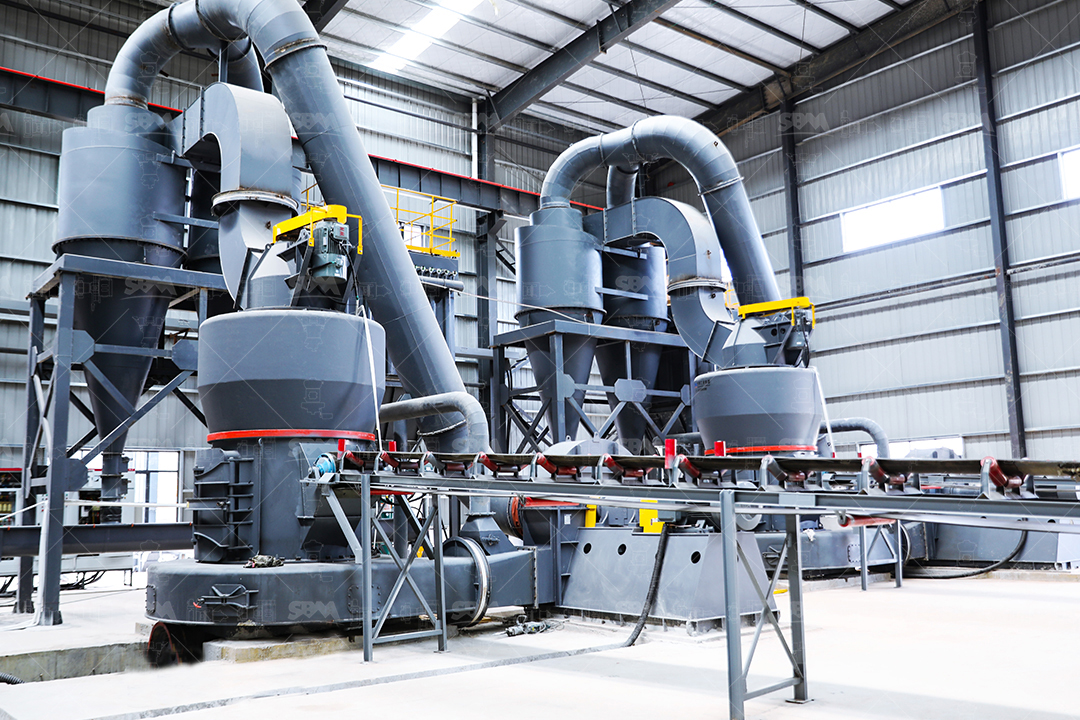
SBM's MTW Series European Trapezium Grinding Mill incorporates several patented innovations to counteract these deficiencies. Its combined-type curved shovel blade design fundamentally changes material feeding dynamics, reducing abrasive wear and extending component service life by over 40% compared to conventional designs. The cone gear whole transmission system eliminates redundant power loss, achieving 92% transmission efficiency while compacting the equipment footprint. For industries like desulfurization limestone preparation or heavy calcium carbonate processing, where abrasive materials accelerate wear, these engineering refinements translate to significantly lower operating expenses and stabilized output quality.
Energy consumption represents another critical challenge with older mill technologies. Traditional ball mills and early Raymond designs often operate at 30-40% higher energy intensity relative to modern vertical roller mills. This inefficiency becomes particularly burdensome in large-scale non-metallic mineral powder processing, where grinding constitutes up to 60% of total plant energy usage. SBM's LM Vertical Roller Mill addresses this through integrated crushing, drying, grinding, and separation functions within a single unit. The direct grinding mechanism applied between rollers and grinding plate reduces specific energy consumption by 30-40%, while the automatic control system optimizes operational parameters in real-time, adapting to material variations without manual intervention.
Environmental regulations present further complications for outdated milling equipment. Dust emission control remains problematic in conventional open-system designs, creating workplace hazards and compliance issues. Both the LM Vertical Roller Mill and LUM Ultrafine Vertical Mill employ fully sealed systems operating under negative pressure, preventing particle escape while incorporating advanced powder collection technologies. The efficient double powder collecting method combining cyclone separators and pulse dust collectors achieves filtration efficiency exceeding 99.9%, far surpassing international emission standards. These features prove invaluable in metallurgical and building materials applications where environmental performance directly impacts licensing and community relations.
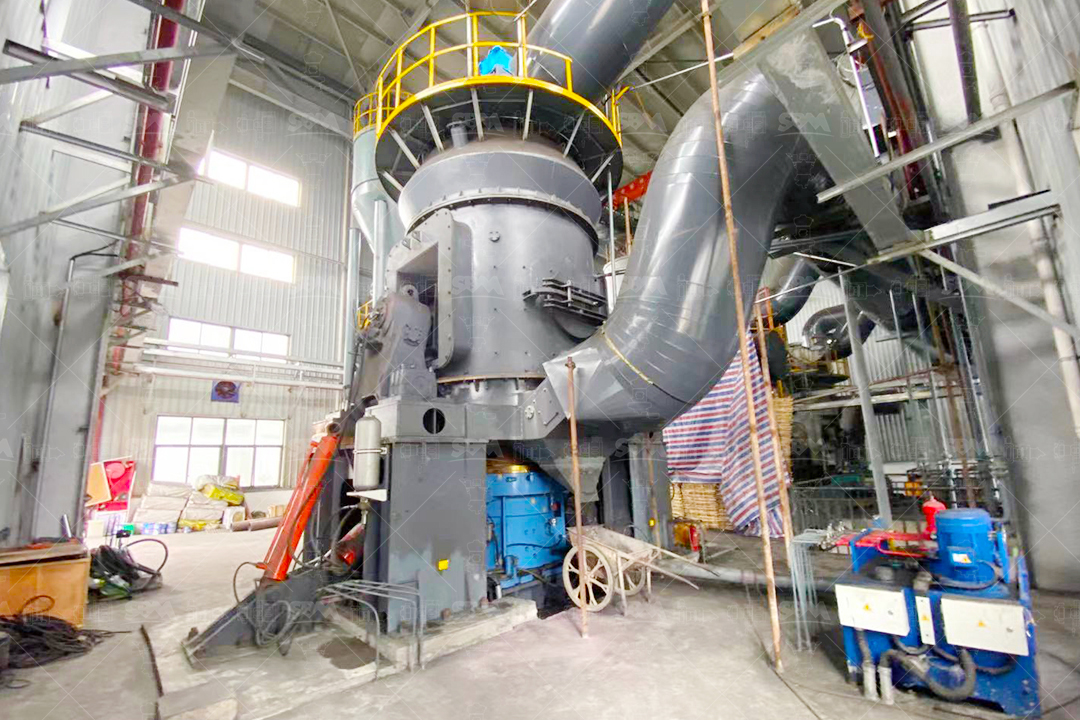
For ultrafine grinding requirements beyond the capability of standard Raymond mills, SBM's SCM Ultrafine Mill and LUM Ultrafine Vertical Mill offer precise solutions. The SCM series achieves fineness adjustment from 325 to 2500 meshes with disposable fineness reaching D97≤5μm, addressing quality consistency issues common in pharmaceutical and high-purity chemical production. The LUM series integrates German powder separation technology with Taiwan's grinding roller advancements, enabling customized fineness ranges without low-grade material contamination. This precision proves critical in advanced applications like plastic master batch production and artificial stone manufacturing, where particle size distribution directly affects product performance.
Operational stability remains a frequent concern with conventional mills, particularly regarding vibration management and noise control. SBM's engineering approach incorporates heavy rotor designs, balanced grinding chambers, and specialized sound insulation to reduce equipment noise by 15-20 dB compared to industry averages. The intelligent control systems enable remote monitoring and automated adjustment of critical parameters including grinding pressure, rotational speed, and classifier velocity. This automation not only reduces labor costs but also minimizes human error in operations spanning cement production to petroleum coke grinding, where consistent process control determines final product quality.
Ultimately, the evolution beyond traditional Raymond mill limitations reflects broader industry trends toward integrated, efficient, and environmentally responsible powder processing. Through continuous refinement of grinding geometry, material science applications, and digital control systems, SBM's equipment portfolio demonstrates that quality issues historically associated with Raymond mills are not inherent to the grinding process itself, but rather solvable through purposeful engineering. With installations across 180 countries serving diverse sectors from mining to new energy materials, these technological advancements establish new benchmarks for reliability, efficiency, and environmental performance in global powder processing operations.
Frequently Asked Questions
What are the main causes of rapid wear in Raymond mill grinding components?
Primary causes include improper material feeding angles, suboptimal grinding geometry, and inadequate material specifications for rollers and rings. Modern designs address these through curved shovel blades that reduce abrasive impact and specialized alloys that extend service life.
How can I improve the fineness consistency of my grinding output?
Inconsistent fineness typically stems from classifier inefficiency and unstable grinding pressure. Advanced mills incorporate multi-rotor powder classifiers with PLC-controlled adjustment systems to maintain precise particle size distribution throughout operation cycles.
What solutions exist for excessive energy consumption in traditional mills?
Vertical roller mills with integrated functions reduce energy use by 30-40% through direct grinding mechanisms, high-efficiency transmission systems, and automated optimization of operational parameters based on real-time material conditions.
How can dust pollution be effectively controlled in grinding operations?
Fully sealed systems operating under negative pressure, combined with advanced powder collection technologies like cyclone separators and pulse dust collectors, can achieve filtration efficiency exceeding 99.9%, eliminating dust spillage.
What options are available for ultrafine grinding beyond standard Raymond mill capabilities?
Specialized ultrafine mills with advanced classifier technology can achieve fineness up to 4000 meshes, featuring frequency-conversion control for precise adjustment and unique grinding curves that facilitate material bed formation for finer particle generation.


