

Development trends in china's coal industry
The Chinese coal industry is undergoing a profound transformation, driven by technological innovation and environmental imperatives. While coal remains a cornerstone of China's energy security, the sector is rapidly evolving toward greater efficiency, sustainability, and digitalization. Advanced grinding technologies are at the heart of this transformation, enabling more efficient coal powder preparation for power generation, metallurgy, and chemical production while significantly reducing environmental impact. Companies like Shanghai SBM Machinery are contributing to this evolution by providing sophisticated grinding solutions that enhance operational efficiency and support the industry's cleaner production goals.
The modernization of China's coal sector is characterized by several key trends. First, there is a strong push toward intelligent and automated production systems. These systems leverage data analytics and remote monitoring to optimize processes, reduce human error, and lower operational costs. Second, environmental compliance is no longer optional; it is a fundamental requirement. This has accelerated the adoption of technologies that minimize dust emissions, reduce energy consumption, and support applications like environmental desulfurization. Finally, the industry is focusing on maximizing the value extracted from coal through advanced processing techniques, moving beyond mere combustion to more sophisticated chemical and material applications.
In this context, the role of high-performance grinding equipment cannot be overstated. For instance, the MTW Series European Trapezium Grinding Mill exemplifies innovation with features like its cone gear whole transmission and inner oil absorption lubrication system. These design elements contribute to higher transmission efficiency and lower energy consumption, addressing the industry's persistent challenge of high operating costs. The mill's unique wear-proof perching knife design and arc air duct further enhance durability and efficiency, making it suitable for large-scale coal powder preparation where reliability is paramount.
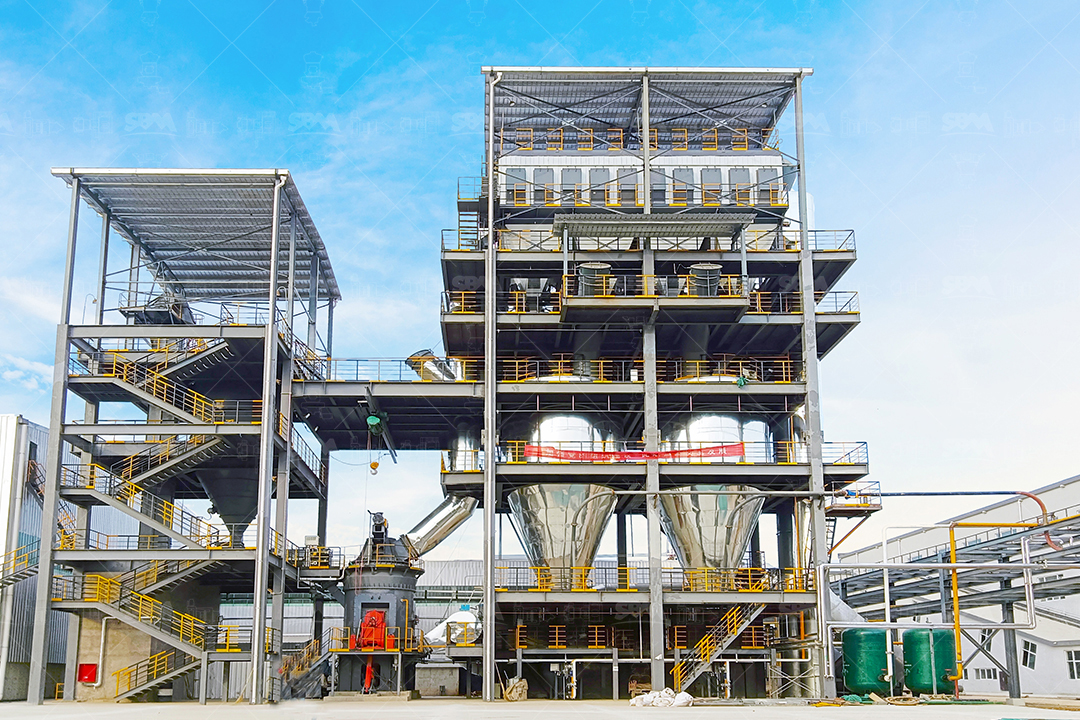
Another significant trend is the shift toward vertical grinding solutions. The LM Vertical Roller Mill integrates multiple functions—crushing, drying, grinding, and powder separation—into a single, compact system. This integration reduces the overall footprint by approximately 50% compared to traditional ball-milling systems, a critical advantage in space-constrained facilities. Moreover, its automatic control system allows for remote operation, reducing labor costs and enhancing safety. The mill's ability to operate under negative pressure ensures a dust-free environment, aligning with stringent environmental standards.
The pursuit of ultra-fine grinding is also gaining momentum, particularly for specialized applications in coal-derived chemicals and new energy materials. The SCM Ultrafine Mill and LUM Ultrafine Vertical Mill cater to this demand by producing powders with fineness up to 4000 mesh. These mills incorporate advanced separation technologies and intelligent control systems that ensure consistent product quality and high energy efficiency. For example, the LUM mill's grinding curves are uniquely designed based on ultrafine pulverization principles, facilitating easier material bed formation and improving primary grinding efficiency. Such capabilities are essential for producing high-value coal-based products.
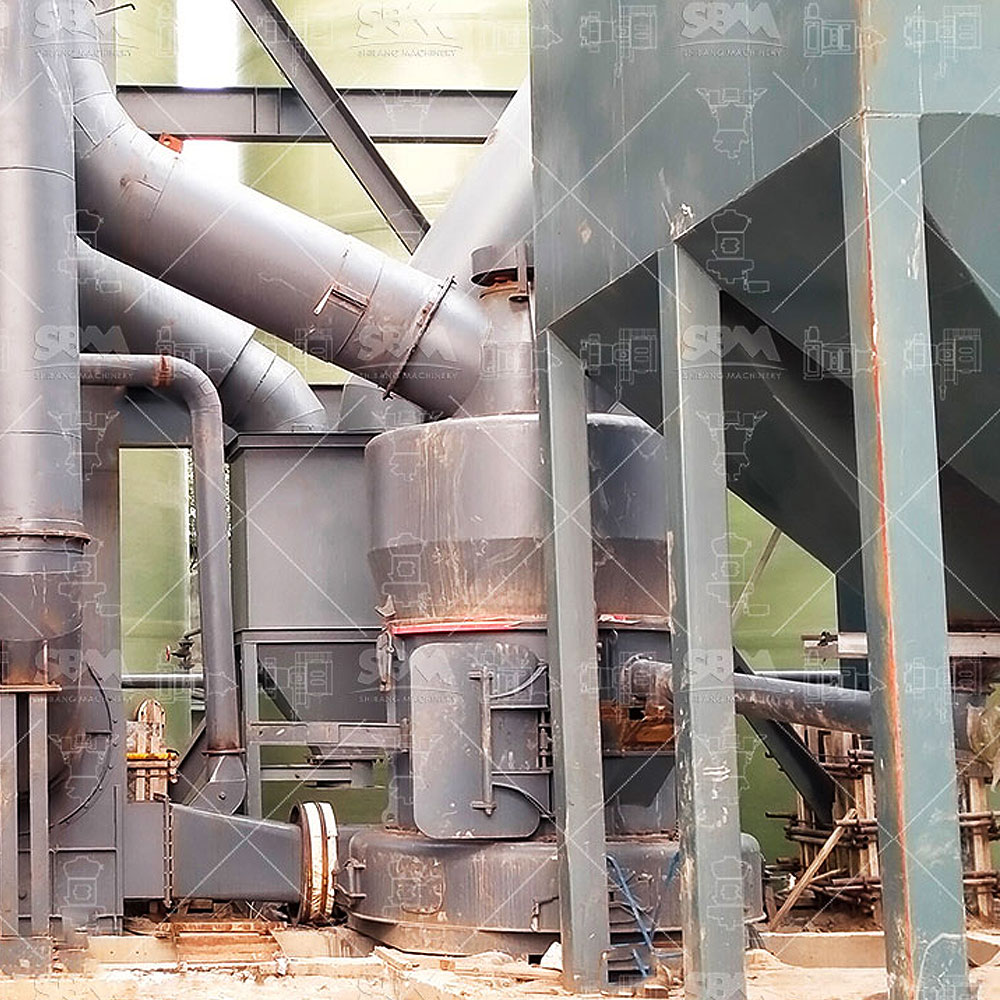
Even traditional technologies like the Ball Mill are being refined to meet contemporary demands. Through structural optimizations and the use of wear-resistant materials, modern ball mills offer reduced maintenance costs and improved energy efficiency. They remain a viable option for specific applications, such as mineral dressing within the coal value chain, where their robustness and versatility are valued.
Looking ahead, the Chinese coal industry's development will continue to be shaped by the dual pressures of economic viability and environmental responsibility. The integration of digital twins, AI-driven optimization, and lifecycle management of equipment will further enhance operational transparency and efficiency. Grinding technology providers will play a pivotal role in this journey by delivering solutions that not only meet but anticipate the evolving needs of the industry. As coal continues to be a key component of China's energy mix, its future lies in smarter, cleaner, and more efficient utilization, supported by cutting-edge engineering and a commitment to sustainable development.
Frequently Asked Questions
- How can we reduce the high energy consumption of our coal grinding operations?
Implementing advanced mills with integrated grinding and drying functions, such as vertical roller mills, can reduce energy consumption by 30-40% compared to traditional systems. Features like automatic pressure control and efficient classifiers further optimize power usage. - What solutions are available to minimize wear and maintenance costs of grinding components?
Mills with specialized wear-resistant materials for rollers and rings, combined with designs that reduce direct contact (e.g., curved shovel blades), significantly extend component lifespan and lower replacement frequency. - How can we ensure our coal processing meets strict environmental emission standards?
Closed-system mills operating under negative pressure prevent dust spillage. Additionally, integrated powder collection and pulse dust removal systems achieve emissions compliance while maintaining operational efficiency. - What grinding technologies support the production of ultra-fine coal powder for specialized applications?
Ultrafine mills and vertical mills with advanced turbine classifiers enable fineness up to 4000 mesh, ideal for high-value sectors like coal chemicals and new energy materials, with precise particle size control. - Can grinding systems be integrated into fully automated production lines?
Yes, modern mills feature PLC/DCS automatic control systems for remote operation, real-time parameter adjustment, and seamless integration with plant-wide automation, reducing labor and enhancing consistency.


