

Models of ore micro-powder mills
Published Date: October 26, 2023
In today's rapidly evolving mineral processing industry, selecting the right grinding equipment is crucial for achieving optimal efficiency, product quality, and operational cost-effectiveness. Shanghai SBM Machinery Equipment Co., Ltd. stands as a total solution provider, offering a diverse portfolio of advanced grinding mills designed to meet specific application requirements across various industries. This article explores the technical specifications, advantages, and ideal applications of five key mill models: the MTW European Trapezium Mill, LM Vertical Roller Mill, SCM Ultrafine Mill, LUM Ultrafine Vertical Mill, and the optimized Ball Mill. Each model incorporates unique technological innovations aimed at solving common industry challenges, from high energy consumption and wear part costs to achieving precise fineness and ensuring environmental compliance.
The MTW Series European Trapezium Grinding Mill represents a significant evolution from traditional Raymond mill designs. Developed through extensive R&D and incorporating feedback from thousands of clients, it features several proprietary technologies that set it apart. Its cone gear whole transmission system ensures higher transmission efficiency while saving space and reducing initial investment. The inner oil absorption lubrication system enhances reliability, and the innovative arc air flue design minimizes air energy loss, guaranteeing efficient material transportation. A key feature is its unique wear-proof perching knife design. The combined-type shovel blade allows for the replacement of only the blade itself during maintenance, significantly reducing the cost and downtime associated with wearing parts. Furthermore, the curved design of these blades optimizes the feeding angle, which in turn prolongs the service life of the grinding roller and ring, leading to substantially lower long-term operating costs. With an input size of 0-50mm, an adjustable output fineness of 30-400 mesh, and a capacity range of 3-40tph, the MTW Mill is a robust and efficient solution for a wide array of medium-fine grinding applications.
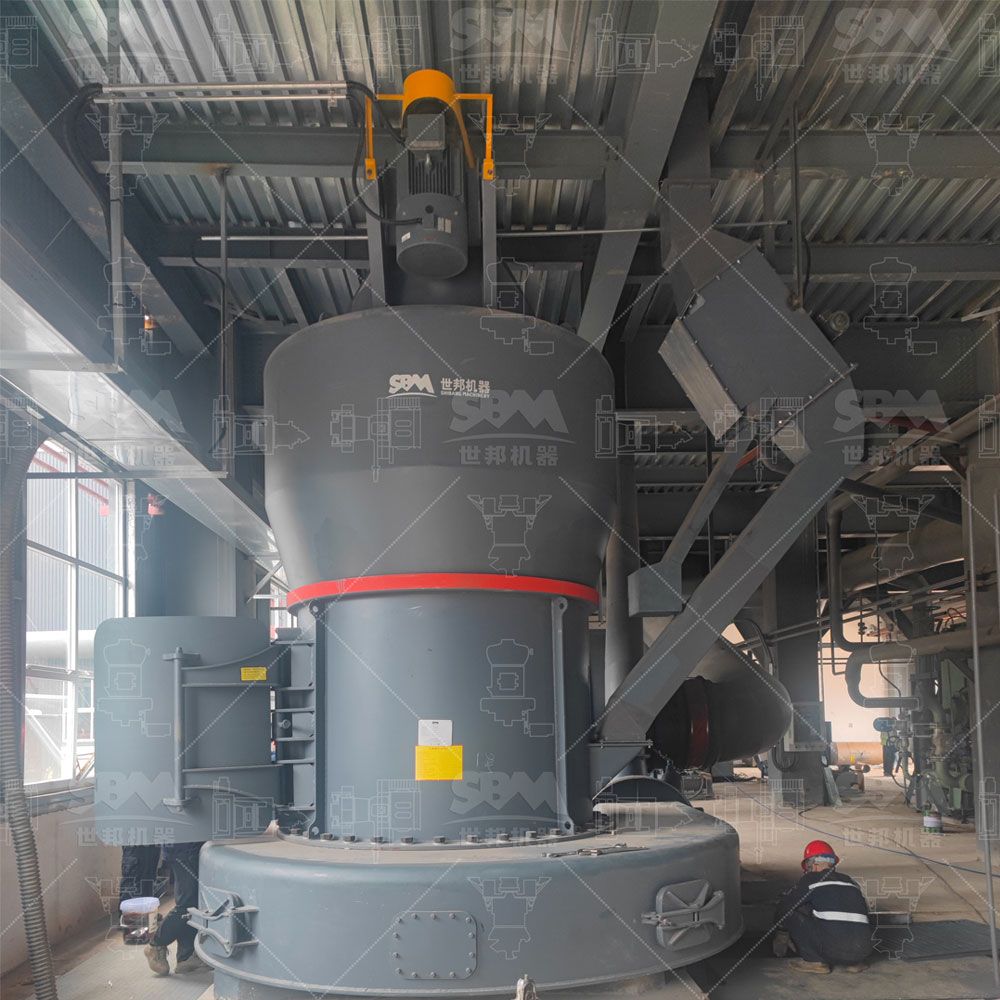
For operations demanding higher capacity and integrated processing, the LM Vertical Roller Mill offers a compelling alternative. This mill was specifically engineered to address the technical issues of low output and high energy consumption prevalent in conventional systems. Its most significant advantage lies in its integrated design, which combines the functions of crushing, drying, grinding, powder separation, and transportation into a single, compact unit. This results in a system that occupies approximately 50% of the space required by a traditional ball-milling system, leading to a smaller comprehensive investment. The operating costs are also markedly lower. The grinding rollers do not make direct contact with the grinding plate, and both are constructed from high-quality, wear-resistant materials, leading to less wear and longer service life. The grinding action itself is highly efficient, consuming 30% to 40% less energy than ball-milling systems. Complementing this is an expert automatic control system that enables remote operation, easy control, and reduced labor costs. With a capacity range stretching from 3 to 400tph and an output fineness matching that of the MTW mill, the LM Vertical Roller Mill is a mainstream choice for large-scale projects in cement, chemical, coal, and power industries.
As market demands push for finer powders, general grinding mills often fall short. The SCM Series Ultrafine Grinding Mill was developed to fill this gap, capable of producing powders with fineness adjustable from 325 to an impressive 4000 mesh, with a one-time fineness reaching D97≤5µm. This high fineness is achieved through an efficient vertical turbine powder classifier that ensures accurate particle size cuts without coarse powder spillover. Despite its capability for extreme fineness, the SCM Mill is designed for high output and low energy consumption, boasting a capacity more than double that of jet mills while reducing energy usage by 30%. Its robust construction includes a heavy rotor design and special materials for the roller and ring, enhancing durability several times over that of standard components. The grinding chamber is engineered for stability, free from vibration, and the entire system is sealed and equipped with an efficient double powder collection method, making it an environmentally sound choice for high-end ultrafine processing.
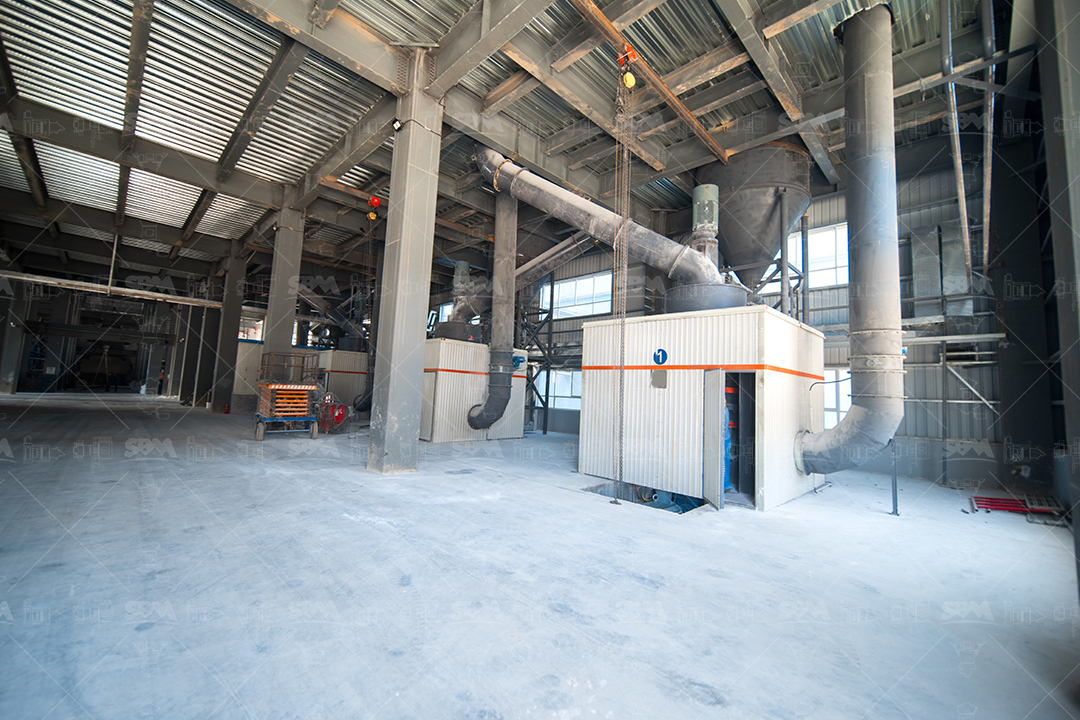
Building upon the vertical mill concept for the most demanding ultrafine applications, the LUM Ultrafine Vertical Mill integrates advanced grinding roller technology from Taiwan and German powder separating technology. This mill is tailored as a professional medium and high-end processing equipment for industries like plastic masterbatch, PVC, and artificial stone. Its core innovation lies in the uniquely designed grinding curves of the roller shell and lining plate, which are based on ultrafine pulverization principles. This design facilitates the formation of a stable material bed, thereby improving grinding efficiency and increasing the yield of finished products from the first pass. The multi-rotor powder classifiers allow for highly customizable fineness with no low-grade material in the final product. Like its counterparts, it features an intelligentized PLC/DCS control system for stable operation and remote monitoring, and its sealed, negative-pressure operation ensures it meets stringent environmental protection standards.
Finally, the classic Ball Mill remains a relevant and optimized solution for many grinding circuits. Acknowledging its mature technology and historical challenges like high grinding media wear and energy consumption, SBM has undertaken significant optimizations. Through improved structural design and the adoption of new materials, the cost of spare parts has been noticeably reduced. SBM produces both dry and wet ball mills to suit different process requirements; the dry ball mill is ideal for producing common powder, while the wet ball mill is extensively used in mineral dressing plants for its effectiveness in slurry processing. With a capacity of 3-65tph and an output size range of 0.2-0.074mm, the modernized ball mill continues to be a reliable workhorse in the industry.
Frequently Asked Questions (FAQs)
Q1: What is the main advantage of a vertical roller mill over a traditional ball mill?
A1: The primary advantage is significantly lower energy consumption, typically 30-40% less, due to its more efficient grinding mechanism. It also features a compact layout, reducing the floor space requirement by about 50%.
Q2: How does SBM address the common industry pain point of high wear part costs?
A2: Our mills, like the MTW and SCM series, incorporate specialized designs and materials. For instance, the MTW's combined-type shovel blade allows for the replacement of only the blade, not the entire assembly, drastically cutting costs and downtime.
Q3: Can your mills achieve very fine powders, for example, below 10µm?
A3: Yes, our ultrafine mills (SCM and LUM) are specifically designed for this purpose. The SCM series, for example, can achieve a one-time fineness of D97≤5µm and can be adjusted up to 4000 mesh.
Q4: Is it possible to control the mill remotely?
A4: Absolutely. Models like the LM Vertical Roller Mill and LUM Ultrafine Vertical Mill are equipped with advanced automatic control systems (PLC/DCS) that allow for remote and local control, simplifying operation and saving on labor costs.
Q5: How does SBM ensure its equipment meets environmental protection standards?
A5: Our milling systems are designed with full-seal negative pressure operation, which prevents dust spillover. Additionally, efficient pulse dust collectors and sound insulation technologies are employed to control noise and emissions, ensuring compliance with national standards.


