

Common terminology in grinding materials
Published: October 26, 2023
Grinding technology forms the backbone of modern industrial processing, yet its terminology can often seem like a specialized language. This comprehensive guide demystifies common grinding terminology while showcasing how Shanghai SBM Machinery Equipment Co., Ltd. implements these concepts in practical grinding solutions. From particle size distribution to energy efficiency metrics, understanding this vocabulary is crucial for optimizing powder processing operations across industries including mining, construction materials, chemicals, and environmental applications.
The foundation of grinding technology begins with understanding particle size specifications. Terms like mesh size and micrometer (μm) measurements define the fineness of ground materials. SBM's grinding equipment consistently produces materials ranging from coarse 50mm inputs to ultra-fine powders measuring 4000 mesh. The MTW Series European Trapezium Grinding Mill, for instance, processes materials from 0-50mm input size to outputs between 30-400 mesh, demonstrating the versatility required in modern industrial applications.
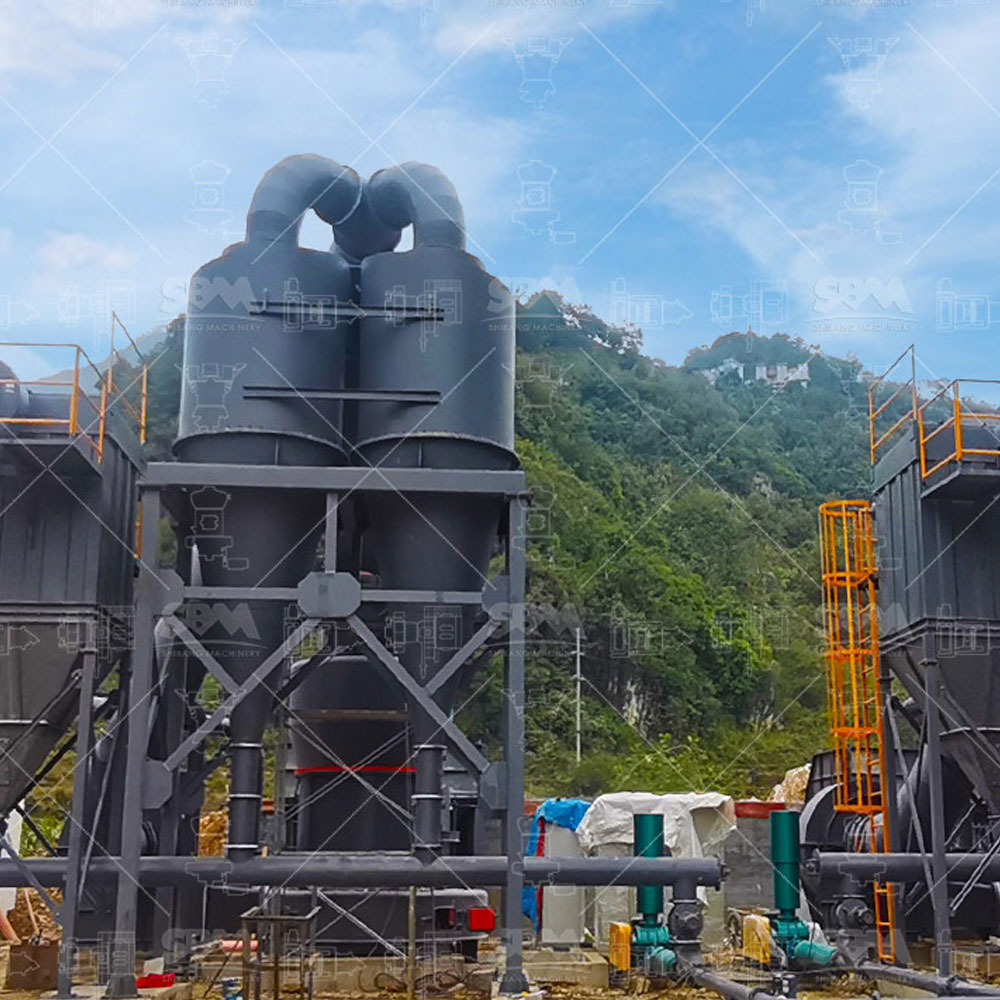
Another critical concept is grinding efficiency, which encompasses both energy consumption and output capacity. Traditional grinding mills often suffer from high operational costs, but advanced designs like SBM's LM Vertical Roller Mill address this through integrated systems that combine crushing, drying, grinding, and separation processes. This vertical mill configuration reduces energy consumption by 30-40% compared to conventional ball milling systems while maintaining output capacities from 3-400tph depending on application requirements.
The term wear resistance directly impacts operational costs through component longevity. SBM's unique approach includes specialized materials and designs such as the curved shovel blades in the MTW Series, which prolong the service life of grinding rollers and rings. Similarly, the Ball Mill improvements focus on reducing wear through optimized structural designs and advanced materials, addressing the common industry challenge of frequent component replacement.
Environmental compliance has become increasingly important in grinding operations. Terminology like negative pressure systems and pulse dust collectors refers to technologies that prevent dust spillage and meet stringent emission standards. SBM's LUM Ultrafine Vertical Mill exemplifies this with fully sealed systems operating under negative pressure, ensuring minimal environmental impact while processing materials to fineness levels up to 4000 mesh.
_1763050636721.jpg)
Advanced control systems represent another area where terminology matters. PLC/DCS automatic control systems enable precise regulation of grinding pressure, rotation speeds, and classifier operations. SBM's equipment incorporates expert automatic control systems that allow remote operation and free switching between control modes, reducing labor costs while maintaining consistent product quality. The Ultrafine Mill features intelligent control with automatic feedback mechanisms that ensure stable product conversion and direct labor savings.
The concept of integrated systems versus standalone units distinguishes modern grinding approaches. SBM's philosophy as a total solution provider emphasizes integrated systems that optimize the entire mineral processing workflow. The Vertical Roller Mill's compact design occupies approximately 50% of the space required by traditional ball-mill systems while integrating multiple processing stages, demonstrating how system thinking reduces comprehensive investment costs.
Understanding these terms enables better equipment selection and operational optimization. Whether considering the cone gear whole transmission in European Trapezium Mills for higher efficiency or the multi-rotor powder classifiers in Ultrafine Vertical Mills for precise particle distribution, the terminology directly correlates to operational benefits. With equipment serving over 180 countries worldwide, SBM's experience translates technical concepts into practical advantages for global customers in the powder processing industry.
Frequently Asked Questions
What is the relationship between mesh size and micrometer measurements?
Mesh size and micrometers both measure particle fineness but use different systems. Higher mesh numbers indicate finer particles, while smaller micrometer values mean finer powders. SBM equipment specifications include both measurements for clarity, with our ultrafine mills producing powders as fine as 4000 mesh (approximately 3-5μm).
How can I reduce operating costs associated with wear parts?
Our grinding mills feature specialized designs like curved shovel blades, high-quality roller materials, and inner oil absorption lubrication systems that significantly extend component life. The combined-type shovel blade in our MTW Series requires only blade replacement during maintenance, reducing downtime and parts costs.
What environmental standards do your grinding systems meet?
All SBM grinding equipment meets international environmental standards through features like fully sealed systems, negative pressure operation, pulse dust collectors, and noise reduction technologies. Our systems prevent dust spillage and maintain emissions well below regulatory requirements.
Can your equipment handle both coarse and ultra-fine grinding requirements?
Yes, our product range includes equipment for various applications. The LM Vertical Roller Mill processes materials from 0-50mm to 30-400 mesh, while specialized ultrafine mills like the SCM series achieve fineness from 325 to 4000 mesh, covering virtually all industrial grinding needs.
How do automated control systems improve grinding operations?
Our PLC/DCS systems enable precise control of grinding pressure, rotation speeds, and classifier operations. This automation ensures consistent product quality, allows remote operation, reduces labor costs, and enables quick adjustments for different material requirements without manual intervention.


