

Current state of china's coal industry
Published: October 26, 2023
The Chinese coal industry is undergoing a significant transformation, balancing energy security demands with environmental responsibilities. While coal remains a cornerstone of China's energy mix, operational efficiency and emission control have become paramount. Modern grinding technologies are playing a crucial role in this evolution, enabling power plants and industrial users to achieve higher combustion efficiency, better utilization of coal resources, and compliance with stringent environmental standards. Advanced milling equipment, from vertical roller mills to specialized ultrafine grinders, is at the heart of this modernization drive, helping operators tackle traditional pain points like high energy consumption, maintenance costs, and inconsistent product fineness.
The industry's shift towards cleaner and more efficient coal utilization has created a robust demand for high-performance grinding solutions. Equipment that can process raw coal into precisely calibrated powder for optimal combustion, or prepare limestone powder for flue gas desulfurization (FGD), is no longer a luxury but a necessity. The focus has moved beyond mere pulverization to achieving specific particle size distributions that maximize energy output while minimizing pollutants. This requires mills with sophisticated classification systems, durable wear parts, and intelligent control mechanisms to ensure stable, long-term operation under demanding conditions.
In this context, the technological advantages of modern grinding mills become critically important. For instance, the MTW Series European Trapezium Grinding Mill incorporates features like cone gear whole transmission and an inner oil absorption lubrication system. These designs contribute to higher transmission efficiency and reduced energy loss, directly addressing the industry's need to lower operating costs. Its unique wear-proof shovel blade design is particularly valuable in coal grinding, where abrasive materials can rapidly degrade components. The ability to replace only the blade, rather than the entire assembly, significantly reduces maintenance downtime and spare part expenses.
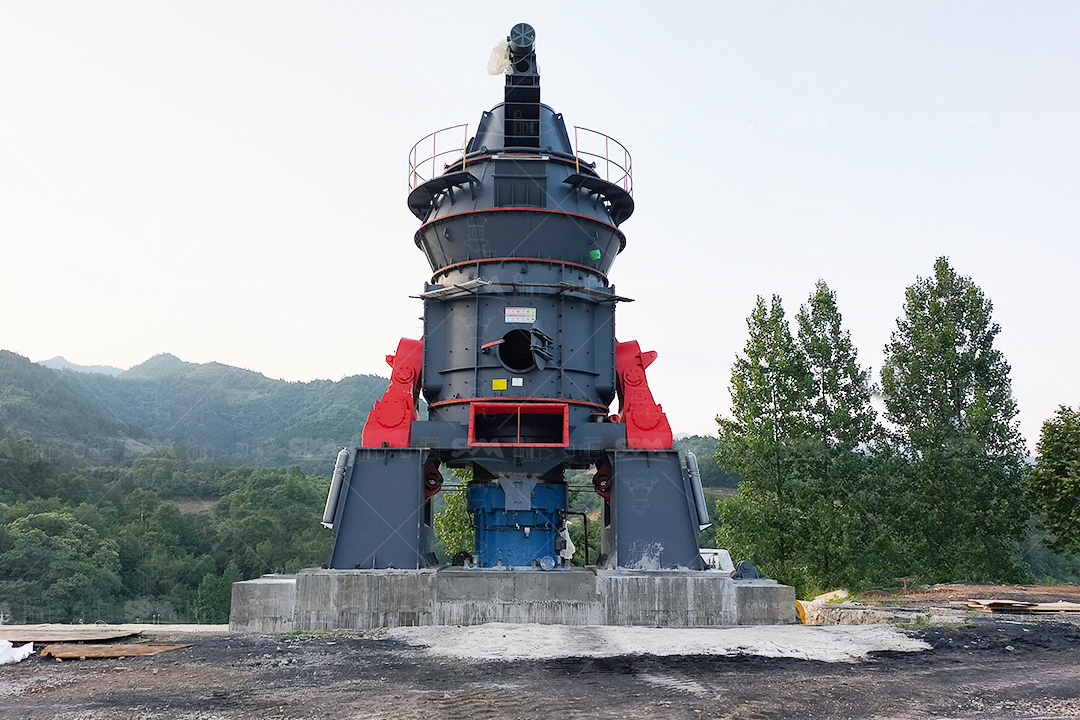
Vertical roller mills have emerged as a dominant force for large-scale coal powder preparation. The LM Vertical Roller Mill exemplifies this trend with its integrated design that combines crushing, drying, grinding, and powder separation in a single unit. This compact layout is a significant advantage for coal processing plants where space can be a constraint. More importantly, its operating costs are substantially lower compared to traditional ball milling systems, with energy consumption reported to be 30-40% less. The automatic control system allows for remote operation and expert-level process optimization, which is crucial for maintaining consistent product quality in 24/7 industrial operations.
As environmental regulations tighten, the ability to efficiently produce limestone powder for desulfurization has become inseparable from coal-fired power generation. Here, the fineness and quality of the limestone powder directly impact the efficiency of the FGD process. Ultrafine grinding mills are specifically engineered for this demanding application. The SCM Ultrafine Mill can achieve fineness up to 4000 mesh, ensuring a highly reactive sorbent for capturing sulfur dioxide. Its high-output, low-energy-consumption design means power plants can meet their environmental obligations without incurring prohibitive operational costs. The efficient double powder collecting method also guarantees that the milling process itself remains environmentally compliant, with dust emissions far exceeding international standards.
For specialized applications involving petroleum coke or the production of new energy materials, even higher levels of precision and product quality are required. The LUM Ultrafine Vertical Mill, integrating German powder separating technology, meets this need. Its intelligent control system allows for precise adjustment of grinding pressure and classifier speed, enabling operators to custom-tailor the final product's fineness for specific industrial processes. The principle of multi-rotor powder classifiers ensures a narrow particle size distribution, which is critical for achieving uniform combustion characteristics in advanced boiler systems.
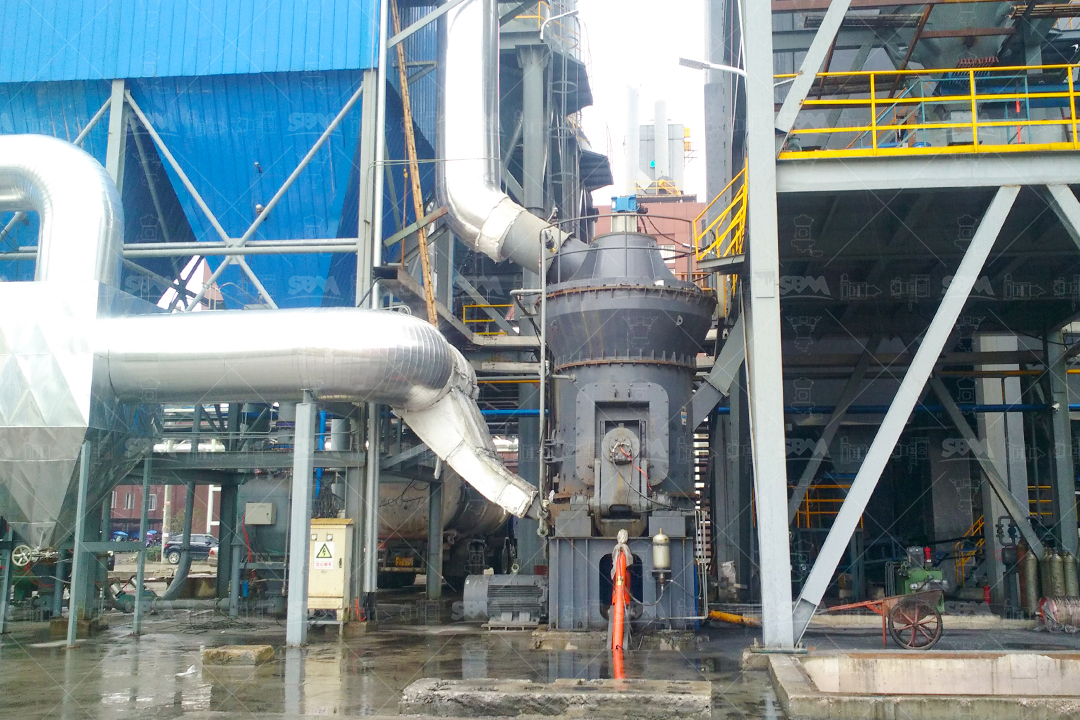
Even traditional technologies like the Ball Mill have been refined to meet modern challenges. Through structural optimization and the use of new materials, wear rates have been significantly reduced, tackling the historical problem of high consumption of grinding media. The availability of both dry and wet ball mills provides flexibility, allowing operators to select the most appropriate technology for their specific coal characteristics and final product requirements.
The current state of China's coal industry is one of technological upgrading and efficiency-driven growth. The widespread adoption of advanced grinding equipment from providers with global experience is a testament to this shift. These technologies are not merely processing coal; they are enabling a more sustainable and economically viable future for the entire sector by transforming raw material into a highly efficient, cleaner-burning fuel and enabling critical emission control processes. The continuous innovation in mill design—focusing on energy savings, operational intelligence, and environmental protection—directly supports the coal industry's strategic goals for the coming decade.
Frequently Asked Questions (FAQs)
1. What are the main challenges in achieving consistent coal powder fineness for optimal combustion?
Inconsistent fineness leads to incomplete combustion, higher unburned carbon, and increased slagging. Advanced mills with precise classifier systems and intelligent controls are crucial to maintain a stable and targeted particle size distribution, ensuring maximum calorific value extraction.
2. How can we effectively reduce the high maintenance costs associated with grinding mill wear parts?
Selecting mills with specialized wear-resistant materials and innovative designs, such as combined-type shovel blades or rollers made from high-quality alloys, can dramatically extend service life. This reduces the frequency of shutdowns and the cost of spare parts, lowering the total cost of ownership.
3. Our plant has limited space. Is it feasible to install a new, high-capacity grinding system?
Yes. Modern vertical roller mills and other integrated systems have a significantly smaller footprint compared to traditional ball mill circuits. Their compact, vertical layout often requires about 50% less space, making them ideal for retrofitting into existing plants or for new installations with area constraints.
4. With rising energy prices, what grinding solutions offer the best energy efficiency?
Vertical Roller Mills (VRMs) and European Trapezium Mills are designed for high efficiency, typically consuming 30-40% less energy than ball mills for the same output. Features like integral transmission and optimized grinding mechanics directly translate into lower power consumption per ton of product.
5. How can we ensure our grinding process meets increasingly strict environmental and noise pollution standards?
Modern mills are engineered for environmental compliance. Look for features like wholly sealed systems operating under negative pressure (preventing dust spillover), efficient pulse dust collectors, and integrated sound insulation rooms or mufflers that effectively reduce operational noise to meet national standards.


