

Factors affecting raymond mill output
Published: October 26, 2023
The output capacity of Raymond mills, including advanced models like the MTW European Trapezium Grinding Mill and LUM Ultrafine Vertical Mill, is influenced by multiple interconnected factors. Material properties, equipment configuration, operational parameters, and maintenance practices collectively determine throughput efficiency. Understanding these variables enables operators to optimize performance and achieve consistent production targets across various applications, from limestone desulfurization to non-metallic mineral processing. This article examines the key determinants of mill output and provides practical insights for maximizing productivity.
Material characteristics represent the foundational factor influencing grinding efficiency. Hardness, moisture content, and feed size directly impact the energy required for pulverization. Materials with higher Mohs hardness ratings demand greater grinding force, potentially reducing throughput. Similarly, excessive moisture can lead to clogging and inadequate dispersion within the grinding chamber. The MTW European Trapezium Mill's unique curved shovel blade design addresses these challenges by optimizing feeding angle and material bed formation, ensuring consistent processing even with varying material properties.
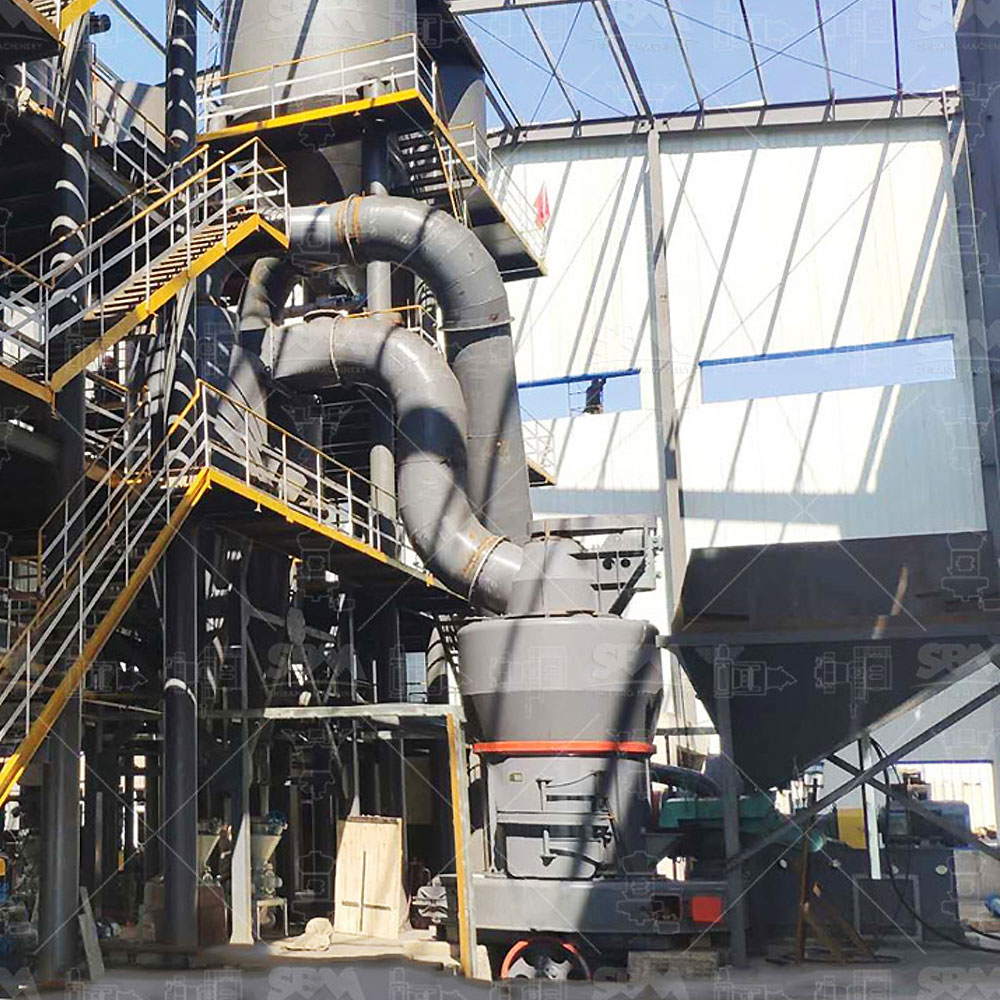
Equipment selection and technical specifications significantly affect output potential. The grinding mechanism—whether roller, ball, or vertical—determines the efficiency of size reduction. Our MTW Series European Trapezium Mill achieves capacities ranging from 3-40tph through its cone gear whole transmission system and optimized grinding geometry. Meanwhile, the LUM Ultrafine Vertical Mill leverages advanced separation technology to handle 10-70tph while producing powders between 325-4000 mesh. The integrated drying, grinding, and classification functions in vertical mills like the LM series contribute to their higher efficiency compared to traditional systems.
Operational parameters including grinding pressure, classifier speed, and airflow rate require precise calibration. The automatic control systems featured in SBM's advanced mills maintain optimal conditions through real-time adjustments. For instance, the PLC/DCS system in the LUM Ultrafine Vertical Mill continuously monitors and regulates grinding pressure and classifier rotation, ensuring stable operation at peak efficiency. Proper maintenance of wearing components—particularly grinding rollers and rings—is equally critical. The special materials used in our MTW Mill's roller and ring assembly extend service life by up to 40% compared to conventional designs.
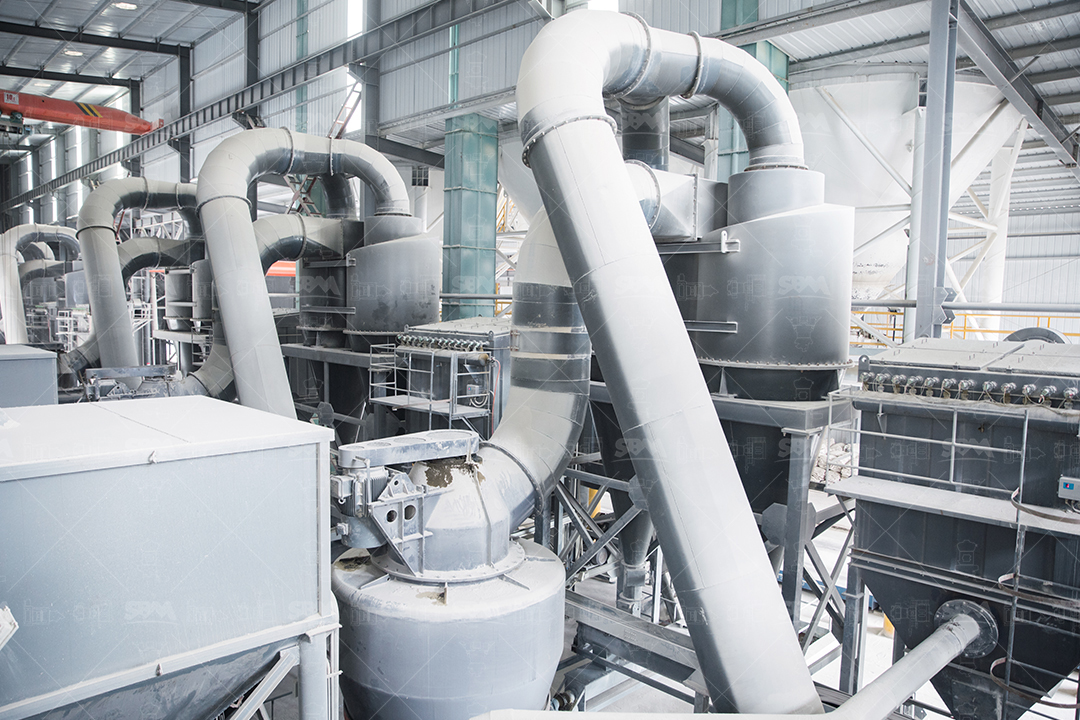
System configuration and ancillary equipment play supporting roles in output optimization. Efficient powder collection systems prevent product loss while maintaining negative pressure operation. The arc air duct design in MTW Mills minimizes energy loss during material transport, while the double powder collecting method in ultrafine mills ensures environmental compliance without sacrificing throughput. Proper feed rate control prevents overloading while maintaining optimal material bed depth in vertical roller mills. The comprehensive approach to system design—from initial crushing to final collection—ensures that bottlenecks are eliminated throughout the production chain.
Environmental factors and power supply stability contribute to consistent operation. Voltage fluctuations can disrupt motor performance and classifier efficiency, particularly in regions with unstable grid infrastructure. The intelligent control systems in modern mills like the SCM Ultrafine Mill incorporate frequency conversion technology to mitigate these issues, maintaining product quality despite external variables. Additionally, proper installation foundations and vibration damping measures ensure that mechanical energy is fully utilized for grinding rather than dissipated through unnecessary movement.
Through understanding these interrelated factors, operators can systematically address output limitations. Regular monitoring of key performance indicators—including specific energy consumption, product fineness, and component wear rates—enables proactive maintenance and parameter adjustment. The technical advantages embedded in SBM's grinding equipment, from the wear-proof perching knife design to the expert automatic control systems, provide inherent capabilities for output optimization across diverse applications and operating conditions.
Frequently Asked Questions
Q1: Why does my mill's output decrease significantly after several months of operation?
A: Gradual output reduction typically indicates wear of critical components like grinding rollers and rings. The unique curved shovel blade design in our MTW Mill extends component life, but regular inspection and replacement of wearing parts remains essential for maintaining optimal performance.
Q2: How can I improve fineness without sacrificing throughput capacity?
A: Advanced classification systems in mills like the LUM Ultrafine Vertical Mill enable independent control of grinding and separation processes. By optimizing classifier speed and airflow, operators can achieve finer products while maintaining throughput through efficient material circulation.
Q3: What is the most common operational mistake that reduces mill output?
A: Inconsistent feed rate represents the most frequent issue. Either overfeeding or underfeeding disrupts the material bed formation essential for efficient grinding. Automated control systems in modern mills help maintain consistent feeding, but operator training remains crucial.
Q4: Can the same mill handle materials with different hardness levels effectively?
A: While mills are designed for versatility, significant material changes require parameter adjustments. The PLC control systems in our vertical and trapezium mills store multiple operation profiles, enabling quick adaptation to different materials while protecting mechanical components from excessive stress.
Q5: How does moisture content specifically affect grinding efficiency?
A: Excessive moisture causes material adhesion to grinding surfaces and classification components, reducing efficiency and potentially causing blockages. Integrated drying systems in vertical mills address this issue, but maintaining feed moisture within specified ranges ensures optimal performance across all mill types.


