

Importance of carbon black grinding mills
Published on: October 26, 2023
Carbon black grinding is a critical process in industries ranging from rubber manufacturing to plastics and coatings, where achieving precise particle size and uniformity directly impacts product performance. Efficient grinding mills are essential for optimizing production, reducing energy consumption, and meeting environmental standards. Shanghai SBM Machinery Equipment Co., Ltd. (SBM Machinery) provides advanced grinding solutions, such as the MTW European Trapezium Mill, LM Vertical Roller Mill, and Ultrafine Mill, designed to address the unique challenges of carbon black processing. These mills incorporate innovations like cone gear transmission, automated control systems, and eco-friendly designs, ensuring high output, low operating costs, and compliance with sustainability goals. With over 180 countries served, SBM's equipment has become a trusted choice for enhancing carbon black quality and production efficiency globally.
Carbon black, a material derived from incomplete combustion of hydrocarbons, is widely used as a reinforcing agent in tires, pigments in inks, and UV stabilizers in plastics. Its effectiveness hinges on particle size distribution and surface area, which are controlled through grinding. Inefficient grinding can lead to inconsistent quality, increased waste, and higher operational expenses. For instance, traditional ball mills often suffer from high energy consumption and rapid wear of metal balls, escalating maintenance costs. SBM's optimized ball mill addresses these issues with improved structural designs and durable materials, reducing spare part expenses while maintaining reliability for dry or wet processing applications.
To overcome limitations in fineness and output, advanced mills like the SCM Ultrafine Mill and LUM Ultrafine Vertical Mill offer tailored solutions. The SCM series achieves fineness up to 4000 mesh with D97≤5μm, thanks to features such as frequency-conversion control and heavy rotor designs that minimize vibration. This is particularly vital for carbon black applications requiring ultra-fine particles, such as in high-grade plastics or electronic components. 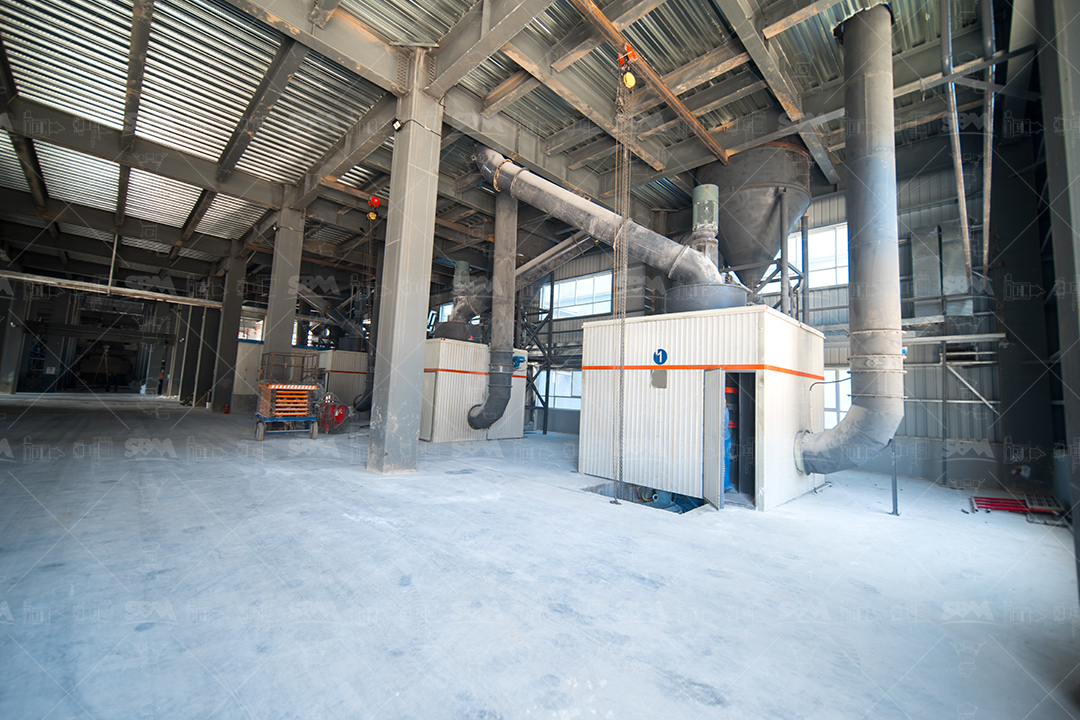 The LUM model integrates German powder separation technology, enabling customizable fineness without low-grade byproducts, which enhances product purity and reduces reprocessing needs. By leveraging these technologies, producers can achieve higher yields with lower energy use—up to 40% savings compared to conventional systems—while ensuring consistent quality across batches.
Energy efficiency and environmental compliance are paramount in modern grinding operations. The LM Vertical Roller Mill exemplifies this by combining crushing, drying, grinding, and separation into a single unit, cutting floor space by 50% and operating under negative pressure to prevent dust emissions. Its automated control system allows remote monitoring, reducing labor costs and human error. Similarly, the MTW European Trapezium Mill employs an arc air duct design and inner oil absorption lubrication to minimize energy loss and extend component life. These features not only lower carbon footprints but also align with global standards, such as those for desulfurization in power plants or heavy calcium carbonate processing, where SBM mills are extensively applied.
Operational stability and cost-effectiveness are further enhanced through intelligent designs. For example, the MTW mill's combined-type shovel blade reduces wear part replacement frequency, while the LM mill's roller and grinding plate materials endure longer service life, decreasing downtime. 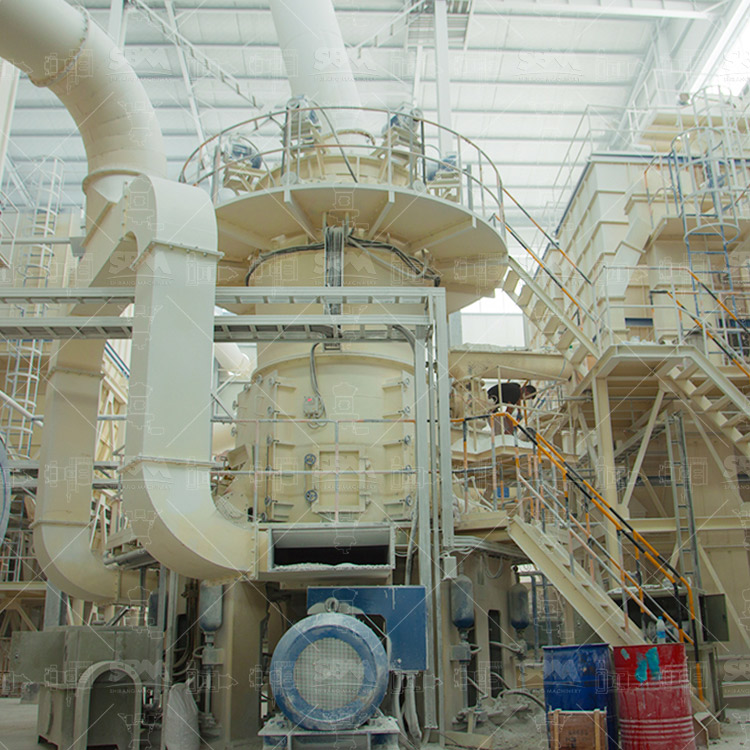 In carbon black production, where abrasive materials can accelerate equipment degradation, these innovations translate to sustained performance and lower total cost of ownership. SBM's expertise in serving diverse sectors—from mining to new energy materials—ensures that their mills are tested in real-world scenarios, providing reliable solutions that scale from small batches to high-capacity outputs of up to 400 tph.
In conclusion, selecting the right grinding mill is crucial for maximizing carbon black value. SBM Machinery's portfolio, backed by decades of R&D and global client feedback, offers versatile options that prioritize efficiency, durability, and sustainability. By investing in advanced grinding technology, companies can not only improve product quality but also contribute to a greener industrial landscape.
Frequently Asked Questions (FAQs)
1. What are the common challenges in carbon black grinding, and how do SBM mills address them?
Common issues include high energy consumption, excessive wear on parts, and inconsistent fineness. SBM mills, like the MTW and LM series, feature cone gear transmission and durable materials to reduce energy use by up to 40% and extend component life, ensuring uniform particle size.
2. How does the fineness of carbon black impact end-product performance?
Finer particles enhance reinforcement in rubber or dispersion in coatings, improving durability and appearance. SBM's Ultrafine Mill achieves up to 4000 mesh fineness, allowing precise control for applications like tire manufacturing or plastics.
3. Can SBM grinding mills handle large-scale production while maintaining eco-friendliness?
Yes, models like the LM Vertical Roller Mill integrate sealed systems and negative pressure operation to minimize dust emissions, meeting environmental standards while supporting capacities up to 400 tph for high-volume processing.
4. What maintenance strategies are recommended for prolonged mill lifespan in abrasive carbon black applications?
Regular inspection of wear parts, such as rollers and rings, is advised. SBM designs, like the curved shovel blades in MTW mills, reduce replacement frequency, and automated systems alert operators to potential issues, cutting downtime.
5. How do SBM mills compare in terms of operational costs for carbon black processing?
SBM mills lower operating costs through energy-efficient designs (e.g., 30-40% savings vs. ball mills), reduced labor via remote control, and longer-lasting components, making them cost-effective for long-term use in industries like chemicals or non-metallic minerals.


