

Calcite production line process
Published on: October 26, 2023
The calcite production line process represents a critical operation in numerous industries, from construction materials to plastics and chemicals. Shanghai SBM Machinery Equipment Co., Ltd. (SBM Machinery) stands as a total solution provider, delivering advanced grinding systems tailored for high-purity calcite powder production. With equipment like the MTW European Trapezium Mill, LM Vertical Roller Mill, and LUM Ultrafine Vertical Mill, SBM addresses key challenges such as energy efficiency, output quality, and environmental compliance. This article explores the optimized calcite processing workflow, highlighting SBM's technological innovations that ensure consistent fineness, reduced operational costs, and scalability from 3 to 400 tph capacities.
The journey of calcite from raw mineral to refined powder begins with crushing and sizing, where input materials of 0–50mm are prepared for grinding. SBM's MTW European Trapezium Grinding Mill excels in this stage, featuring a unique curved shovel blade design that minimizes wear on rollers and rings. This innovation extends component lifespan, reducing maintenance frequency and costs. Additionally, the mill's cone gear whole transmission system enhances efficiency by minimizing energy loss, while its arc air duct design ensures smooth material flow without turbulence. These elements collectively support outputs of 30–400 mesh, making the MTW series ideal for mid-range calcite applications like GCC production or desulfurization agents.
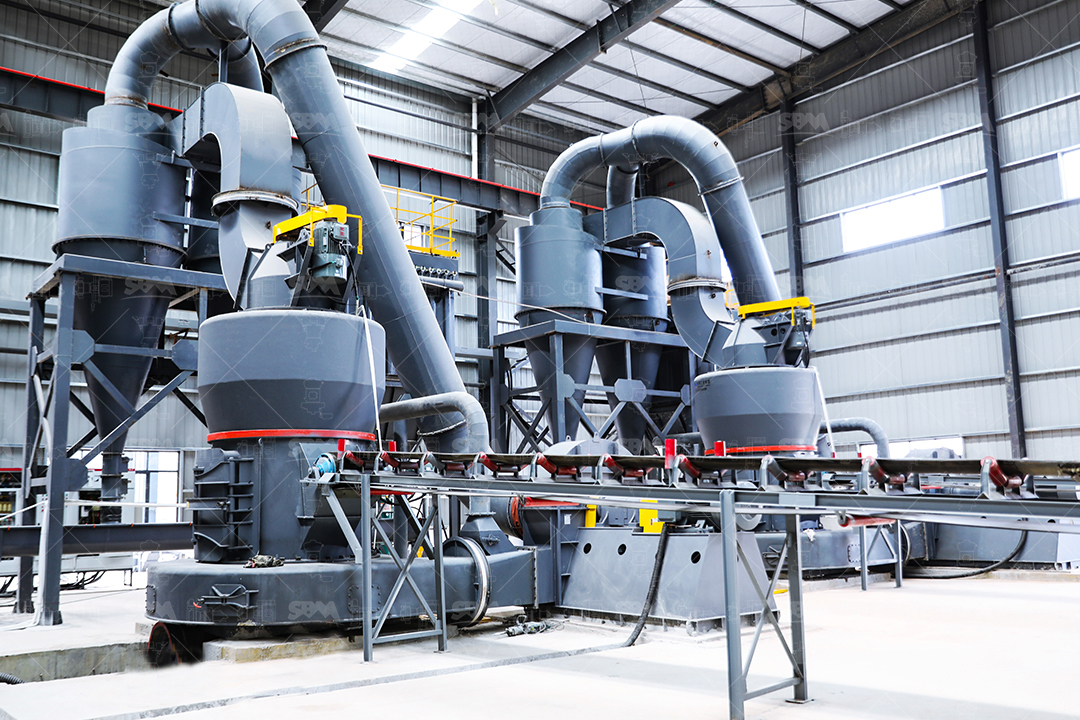
For larger-scale operations requiring higher throughput, the LM Vertical Roller Mill offers a compact, integrated solution. By combining crushing, drying, grinding, and separation into a single unit, it reduces floor space by up to 50% compared to traditional ball mills. Its grinding rollers operate without direct contact with the plate, leveraging high-quality materials to minimize wear and energy consumption by 30–40%. The LM mill's automatic control system allows remote operation, streamlining labor needs and ensuring stability. With capacities reaching 400 tph and fineness adjustable between 30–400 mesh, it is particularly suited for high-volume calcite production in sectors like cement and chemicals.
Ultrafine calcite powder, demanded in masterbatch, PVC, and non-woven fabric industries, necessitates precision grinding technologies. SBM's LUM Ultrafine Vertical Mill and SCM Ultrafine Mill rise to this challenge, achieving fineness levels of 325–4000 mesh. The LUM model incorporates grinding curves based on ultrafine pulverization principles, promoting material bed formation for higher primary grinding efficiency. Meanwhile, the SCM series utilizes a heavy rotor design and frequency-conversion control to maintain consistent D97≤5μm outputs. Both mills feature advanced powder classifiers that eliminate coarse particle spillage, ensuring uniform product quality. Their environmental designs, including pulse dust collectors and sound insulation, align with global sustainability standards.
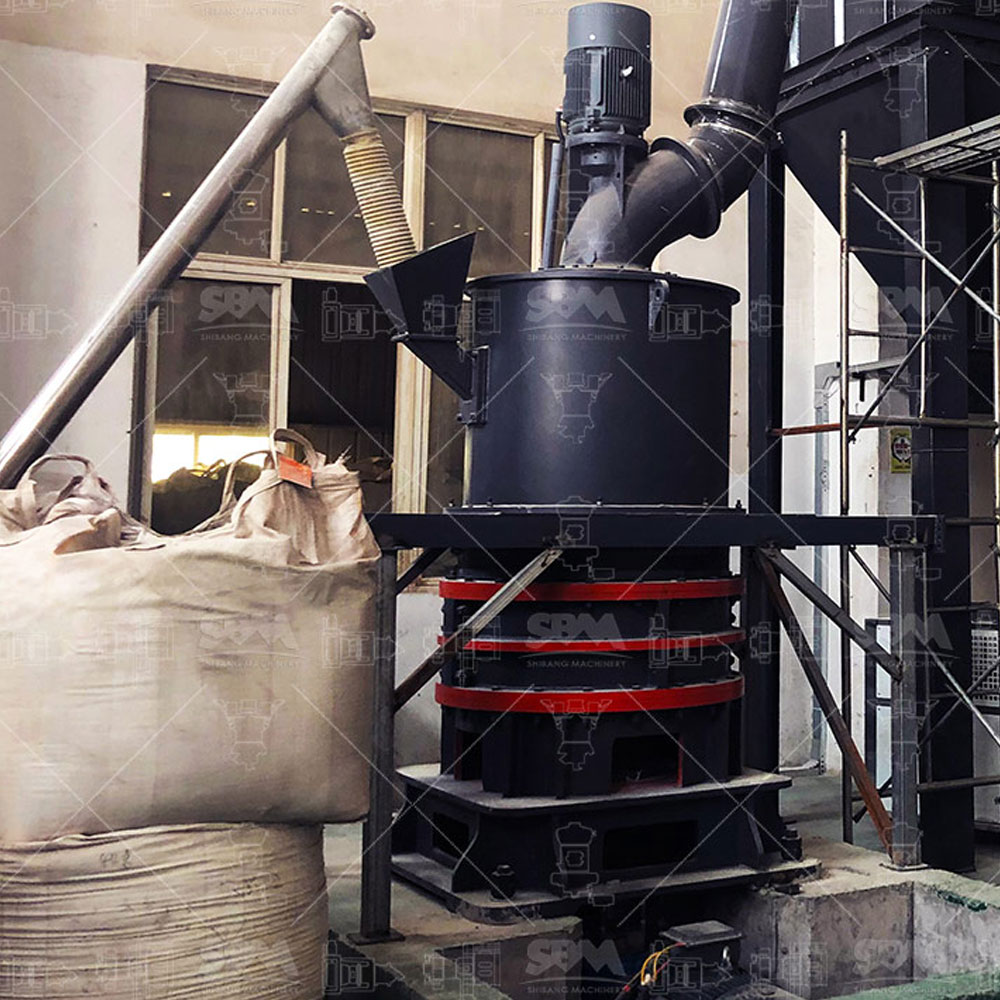
Ball mills remain relevant for specific calcite applications, such as wet grinding in mineral dressing. SBM's optimized ball mills address common pain points like high energy consumption and ball wear through structural enhancements and durable materials. With outputs ranging from 0.074–0.2mm, they provide reliability for coarse to medium fineness requirements. However, for most modern calcite lines, vertical and trapezium mills are preferred due to their lower operational costs and smarter controls. Across all equipment, SBM's expertise—honed from serving over 180 countries—ensures that each production line is tailored to client needs, balancing output, quality, and longevity.
In conclusion, a well-designed calcite production line leverages SBM's diverse grinding portfolio to overcome industry hurdles. From the energy-efficient MTW and LM mills to the precision-oriented LUM and SCM ultrafine systems, these solutions empower producers to meet evolving market demands while adhering to environmental and economic goals.
Frequently Asked Questions (FAQs)
- How can I reduce high energy consumption in my existing calcite grinding process?
SBM's LM Vertical Roller Mill and MTW European Trapezium Mill incorporate cone gear transmission and efficient grinding geometries, cutting energy use by 30–40% compared to conventional systems. - What solutions are available for frequent wear of grinding components?
Our mills feature wear-resistant materials and designs like the curved shovel blade in the MTW series, which prolongs roller and ring service life, reducing replacement costs. - How do I achieve consistent ultrafine calcite powder below 5μm?
The LUM Ultrafine Vertical Mill and SCM Ultrafine Mill use advanced classifiers and PLC controls to maintain fineness at D97≤5μm, with customizable ranges up to 4000 mesh. - Can the grinding system be integrated with automated controls for minimal labor?
Yes, SBM equipment includes expert automatic control systems (e.g., in LM and LUM mills) enabling remote operation, parameter adjustments, and real-time monitoring. - What measures ensure environmental compliance in calcite production?
All SBM mills operate under negative pressure with sealed systems and pulse dust collectors, eliminating dust spillage and reducing noise to meet international standards.


