

Factors affecting feldspar vertical mill price
Published: October 26, 2023
The pricing of feldspar vertical mills is influenced by a complex interplay of technical specifications, operational efficiencies, manufacturing quality, and value-added features. As a leading provider of mineral processing solutions, Shanghai SBM Machinery Equipment Co., Ltd. understands that customers seek optimal balance between initial investment and long-term operational value. Key determinants include production capacity, energy consumption patterns, maintenance requirements, automation capabilities, and environmental compliance features. Modern vertical mills like SBM's LM and LUM series incorporate advanced technologies that may impact initial costs but deliver substantial returns through reduced operating expenses, extended component life, and superior grinding performance for feldspar applications.
When evaluating feldspar grinding equipment, production capacity stands as a primary cost driver. Mills with higher throughput capabilities, such as SBM's LM Vertical Roller Mill offering 3-400tph, typically command different pricing tiers compared to specialized ultrafine units. However, capacity alone doesn't tell the complete story. The engineering behind achieving this capacity—including the mill's ability to maintain consistent output while processing abrasive materials like feldspar—significantly influences equipment valuation. Advanced designs that integrate multiple functions (crushing, drying, grinding, separation) within a single system often provide better overall value despite potentially higher initial costs.
Energy efficiency represents another critical factor in mill pricing structure. Modern vertical mills incorporate sophisticated power-saving technologies that reduce operational expenses over the equipment's lifespan. SBM's LM Vertical Roller Mill, for instance, consumes 30-40% less energy than traditional ball milling systems for equivalent output. This efficiency stems from innovative design elements like direct grinding principles, optimized airflow patterns, and high-efficiency motors. While these technologies may increase initial investment, they typically yield rapid return on investment through substantially lower electricity consumption, especially important in energy-intensive feldspar processing operations.
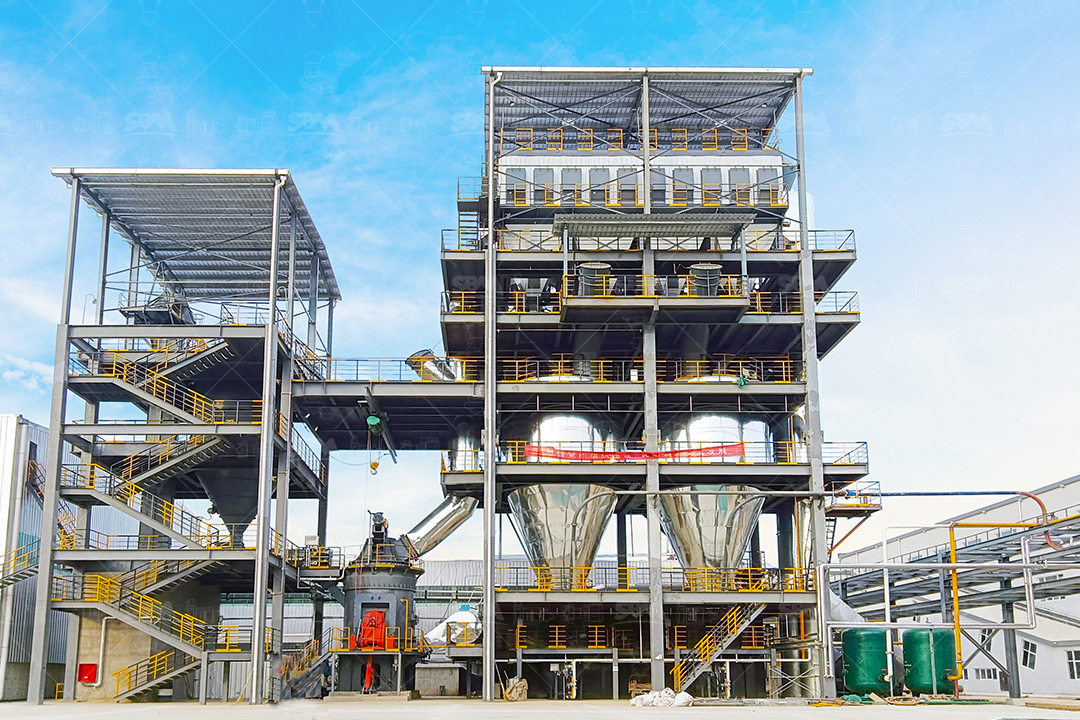
Component durability and maintenance requirements significantly impact long-term cost of ownership, which manufacturers factor into equipment pricing. Feldspar's abrasive nature demands robust construction and specialized wear-resistant materials. SBM addresses this through proprietary technologies like unique wear-proof grinding roller designs, special material formulations for rollers and grinding plates, and advanced lubrication systems. The LM Vertical Mill's grinding rollers, for example, don't directly contact the grinding plate, dramatically reducing wear. Similarly, the MTW European Trapezium Mill features combined-type shovel blades that only require partial replacement during maintenance, lowering long-term operational costs.
Automation and control systems represent increasingly important price factors in modern grinding equipment. Advanced mills now incorporate sophisticated PLC/DCS control systems that enable remote operation, automatic parameter adjustment, and real-time performance monitoring. SBM's vertical mills feature expert automatic control systems that optimize grinding pressure, rotation speed, and classifier settings without manual intervention. These intelligent systems not only reduce labor costs but also ensure consistent product quality and prevent operational errors. The initial investment in such automation technology typically pays dividends through improved efficiency, reduced downtime, and minimized human error in feldspar processing operations.
Environmental compliance features have become non-negotiable in most jurisdictions and consequently affect equipment pricing. Modern vertical mills must operate with minimal dust emissions, low noise levels, and efficient energy utilization. SBM's designs incorporate comprehensive sealing systems that operate under negative pressure to prevent dust spillage, along with optimized sound insulation and advanced dust collection technologies. The LUM Ultrafine Vertical Mill, for instance, employs special structural designs that ensure minimal vibration and noise while meeting stringent environmental standards. These environmental protection features, while adding to manufacturing costs, provide essential compliance and community acceptance benefits.
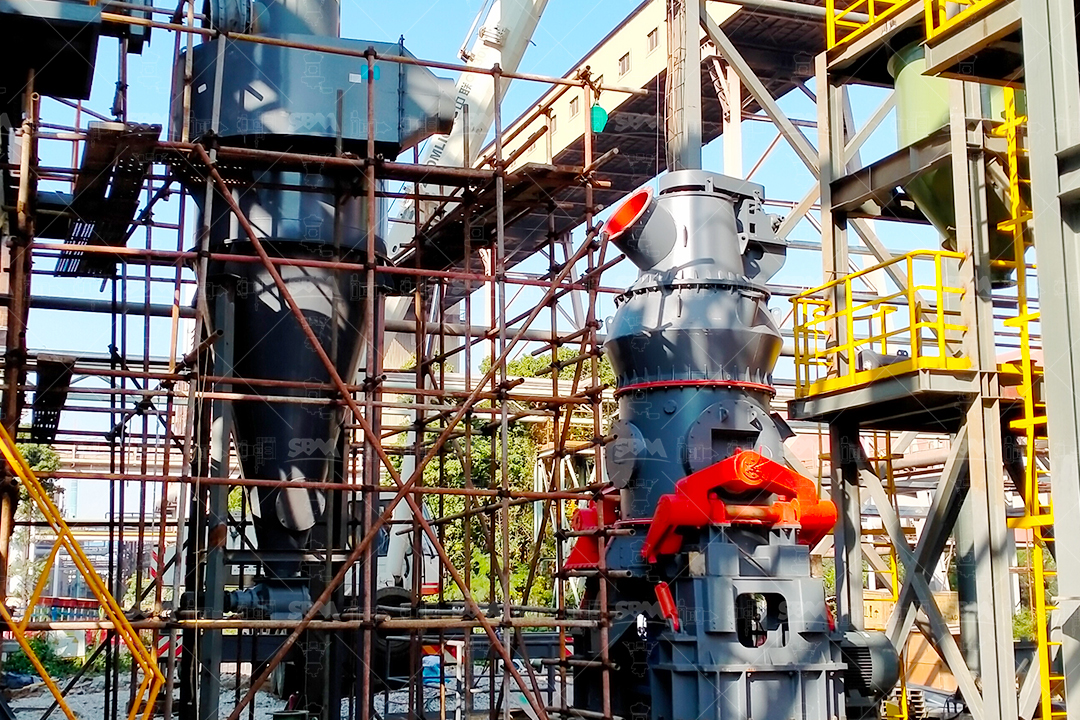
Technical support and service infrastructure, though less obvious, contribute to equipment valuation. Manufacturers with global presence and comprehensive after-sales support typically structure pricing to include long-term technical assistance, spare parts availability, and operational training. SBM's experience serving over 180 countries translates into robust support networks that ensure continuous operation and quick resolution of technical issues. This global expertise, combined with continuous R&D improvements based on customer feedback (incorporating suggestions from over 9,500 clients in the MTW Mill development), adds inherent value beyond the physical equipment itself.
The specificity of feldspar processing requirements further influences mill selection and associated costs. Different feldspar applications demand particular fineness levels, particle distribution, and purity standards. While standard vertical mills typically achieve 30-400 mesh outputs, specialized ultrafine versions like the SCM and LUM series can reach 4000 mesh for high-value feldspar applications. This expanded capability range, coupled with precision classification systems that ensure consistent product quality, represents additional value that informed buyers recognize when evaluating equipment options for their specific feldspar processing needs.
Frequently Asked Questions
How does feldspar abrasiveness affect long-term operating costs?
Feldspar's naturally abrasive characteristics can accelerate wear on grinding components, increasing maintenance frequency and replacement part costs. Our vertical mills address this through specialized wear-resistant materials, optimized grinding geometries, and protective technologies that extend component lifespan, significantly reducing long-term operating expenses.
What energy savings can we realistically expect with modern vertical mills?
Depending on your specific operation and the mill model selected, typical energy reductions range from 30% to 40% compared to traditional ball mills. Our LM Vertical Mill incorporates multiple efficiency features including direct grinding principles, optimized transmission systems, and intelligent control that minimizes power consumption during feldspar processing.
How critical is automation in achieving consistent feldspar product quality?
Extremely critical. Consistent fineness and particle distribution in feldspar products require precise control of multiple operating parameters. Our automated systems continuously monitor and adjust grinding pressure, classifier speed, and feed rates to maintain product specifications, reducing human error and ensuring batch-to-batch consistency.
What environmental compliance challenges do feldspar processors face?
Most regions now enforce strict dust emission standards and noise regulations. Our vertical mills are designed with comprehensive sealing systems, negative pressure operation, and advanced dust collection to meet international environmental standards, helping processors avoid compliance issues and maintain community acceptance.
How do we determine the appropriate mill capacity for our feldspar operation?
Proper capacity planning requires analysis of your raw material characteristics, target output specifications, and operational hours. Our technical team can conduct comprehensive evaluations to recommend the optimal mill size that balances initial investment with operational flexibility, ensuring your equipment matches both current and projected production requirements.


