

Features of 800 compound crushers
Published: October 26, 2023
Compound crushers represent a significant advancement in crushing technology, combining the best features of multiple crushing principles into a single, efficient machine. These versatile crushers integrate impact, compression, and attrition crushing mechanisms to deliver superior performance across various applications. With their ability to handle materials ranging from soft to medium-hard rocks, compound crushers have become essential equipment in mining, construction, and industrial processing operations. The 800 series compound crushers from SBM Machinery incorporate decades of engineering expertise and field experience, offering enhanced efficiency, reduced operating costs, and exceptional reliability. These machines are particularly valuable for producing well-shaped aggregates and processing abrasive materials where conventional crushers might fall short.
The engineering philosophy behind the 800 series compound crushers focuses on maximizing crushing efficiency while minimizing energy consumption and maintenance requirements. Unlike traditional crushers that rely on a single crushing method, compound crushers utilize a sophisticated combination of impact and compression forces. This dual approach allows for better control over the final product size distribution and shape characteristics. The unique design enables the crusher to handle materials with varying hardness and abrasiveness without compromising performance or requiring frequent adjustments.
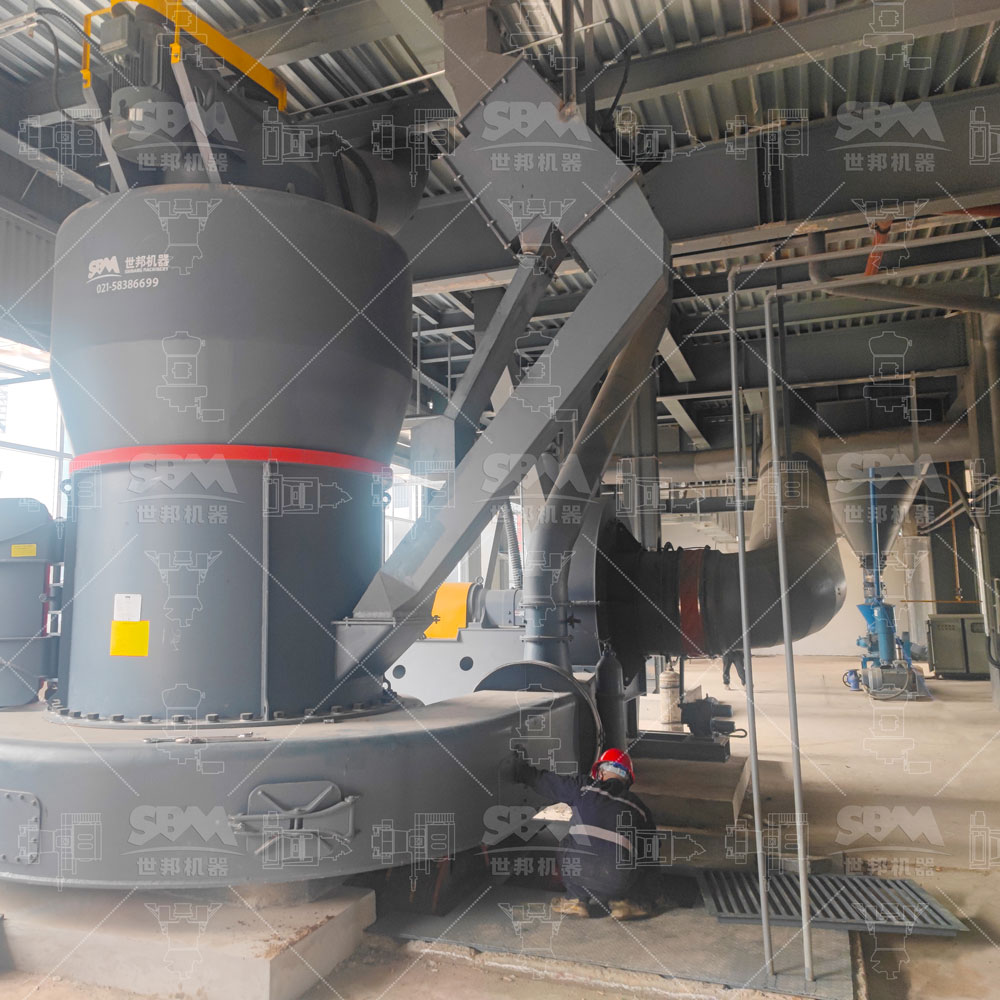
One of the standout features of the 800 compound crushers is their robust construction and innovative material selection. The critical wearing components are manufactured from specially developed alloys that offer exceptional resistance to abrasion and impact. This material science advancement significantly extends the service life of hammers, liners, and other vulnerable parts, reducing downtime for replacements and lowering the overall cost of ownership. The crusher's internal geometry has been optimized through computational fluid dynamics and finite element analysis to ensure optimal material flow and stress distribution throughout the crushing chamber.
The crushing chamber design incorporates multiple crushing zones that progressively reduce material size. In the primary zone, large feed material undergoes initial impact crushing, where high-speed rotors with specially shaped hammers deliver powerful blows to fracture the material. As the material moves through subsequent zones, it experiences increasing compression forces that further reduce particle size while improving cubicity. This staged approach results in more efficient size reduction and better control over the final product characteristics compared to single-stage crushing systems.
Modern 800 compound crushers feature advanced automation and monitoring systems that optimize performance in real-time. Integrated sensors continuously track operating parameters such as power consumption, bearing temperature, vibration levels, and material flow rates. This data is processed by intelligent control systems that automatically adjust crusher settings to maintain optimal performance under varying feed conditions. The automation capabilities not only improve efficiency but also protect the equipment from damage due to overload or improper operation, extending the machine's operational life.
Maintenance accessibility has been a key consideration in the design of 800 series compound crushers. Strategic placement of inspection doors, hydraulic adjustment systems, and quick-release mechanisms for wearing parts significantly reduces the time required for routine maintenance and component replacement. The crushers incorporate centralized lubrication systems that ensure proper lubrication of all critical points while minimizing manual intervention. These maintenance-friendly features translate to higher equipment availability and reduced labor costs over the crusher's lifetime.
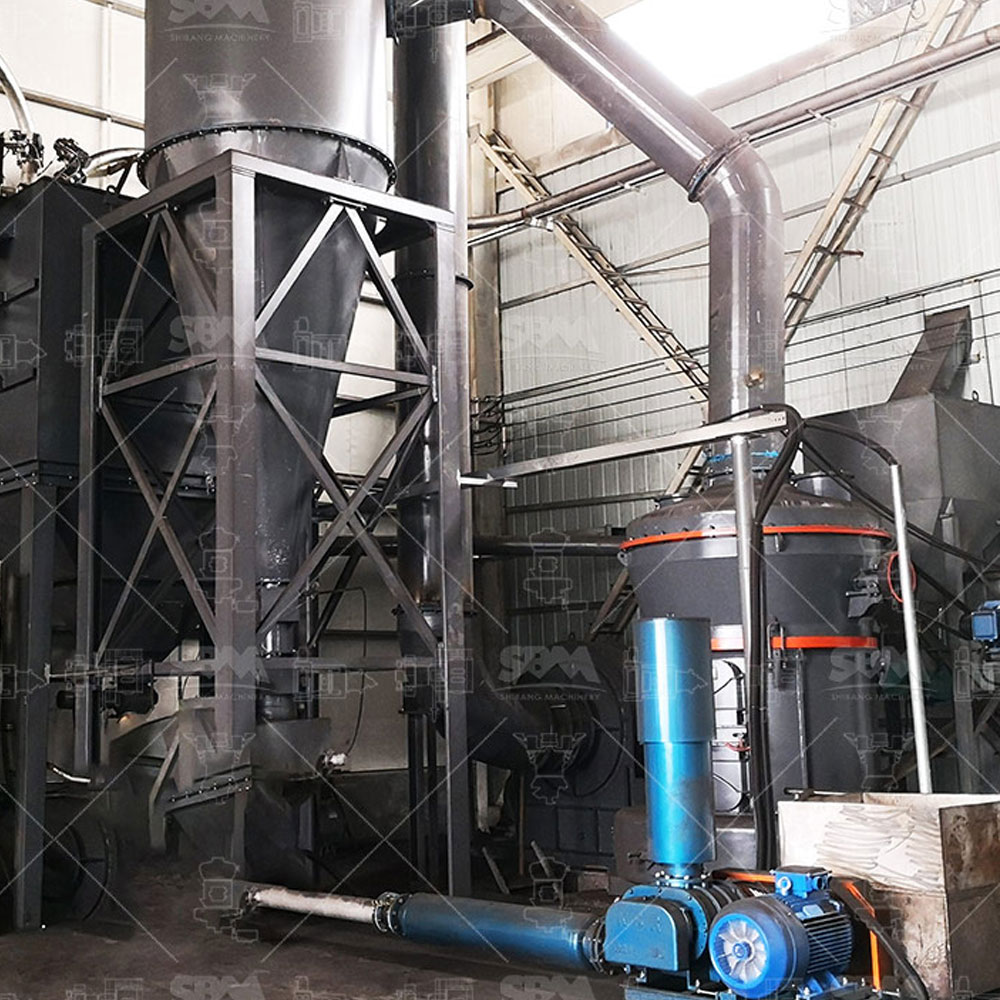
Versatility is another hallmark of the 800 compound crusher series. These machines can be configured for various applications through adjustable rotor speed, gap settings, and optional features such as different hammer configurations and liner profiles. This adaptability makes them suitable for processing diverse materials including limestone, dolomite, clinker, gypsum, and various ores. The ability to fine-tune crusher parameters allows operators to optimize performance for specific product requirements, whether the priority is maximum throughput, precise size control, or superior product shape.
Environmental considerations have been integrated throughout the design of 800 compound crushers. Advanced sealing systems prevent dust emissions, while noise reduction technologies minimize acoustic impact on the surrounding environment. The crushers' high efficiency directly contributes to lower energy consumption per ton of processed material, reducing the carbon footprint of crushing operations. These environmental benefits, combined with operational efficiencies, make the 800 series an environmentally responsible choice for modern processing facilities.
The reliability of 800 compound crushers is backed by extensive testing and field validation. Each crusher undergoes rigorous quality control procedures and performance testing before leaving the factory. SBM's global service network provides comprehensive support, including technical consultation, spare parts availability, and maintenance services. This commitment to quality and customer support ensures that 800 compound crushers deliver consistent performance in the most demanding operating conditions.
Frequently Asked Questions
Q: How does the compound crusher handle wet or sticky materials that might cause clogging?
A: The 800 series incorporates specially designed impact elements and crushing chamber geometry that prevent material buildup. The high rotational energy and optimized flow path ensure that even materials with high moisture content pass through without blocking the crusher.
Q: What is the typical maintenance interval for wearing parts like hammers and liners?
A: Maintenance intervals vary based on material abrasiveness and operating conditions, but the advanced wear materials typically provide 2-3 times longer service life compared to conventional crushers. Regular inspection is recommended every 500 operating hours.
Q: Can the crusher be adjusted for different product sizes without stopping production?
A: Yes, hydraulic adjustment systems allow operators to modify the crushing gap and other parameters while the crusher is running, enabling quick adaptation to changing feed materials or product requirements.
Q: How does the compound crusher compare to cone crushers in terms of product shape?
A: The combination of impact and compression crushing produces well-shaped, cubic particles with minimal flakiness, often superior to cone crusher output, making it ideal for high-quality aggregate production.
Q: What safety features are incorporated to protect the crusher from tramp metal or uncrushable objects?
A: The crusher includes multiple protection systems, including hydraulic overload protection that automatically releases the crushing elements when encountering uncrushable material, then resets once the obstruction clears.


