

Importance of grinding rollers
Published on: October 26, 2023
Grinding rollers represent the heart of industrial milling systems, serving as the primary interface between raw materials and finished powders. These critical components directly influence operational efficiency, product quality, and total cost of ownership. Shanghai SBM Machinery Equipment Co., Ltd. has engineered advanced grinding roller technologies across its comprehensive mill portfolio—including the MTW European Trapezium Mill, LM Vertical Roller Mill, and LUM Ultrafine Vertical Mill—to address the evolving demands of modern mineral processing. Through specialized materials, innovative designs, and intelligent control systems, SBM's grinding rollers deliver unprecedented durability, precision, and energy efficiency, establishing new benchmarks in grinding performance across power generation, building materials, mining, and chemical industries worldwide.
The fundamental role of grinding rollers cannot be overstated in industrial comminution processes. As the active elements that physically compress and shear materials against grinding plates or rings, rollers determine the final particle size distribution, shape characteristics, and production throughput. SBM's engineering philosophy recognizes that superior roller performance translates directly to operational advantages, which is why each mill series incorporates specialized roller technologies tailored to specific application requirements.
In the MTW Series European Trapezium Grinding Mill, the curved shovel blade design represents a significant advancement in roller protection and longevity. This innovative approach changes the feeding angle to distribute wear more evenly across the roller surface, extending service life while reducing replacement frequency. The cone gear whole transmission system further enhances roller performance by ensuring precise, efficient power delivery without energy losses common in conventional drive systems.
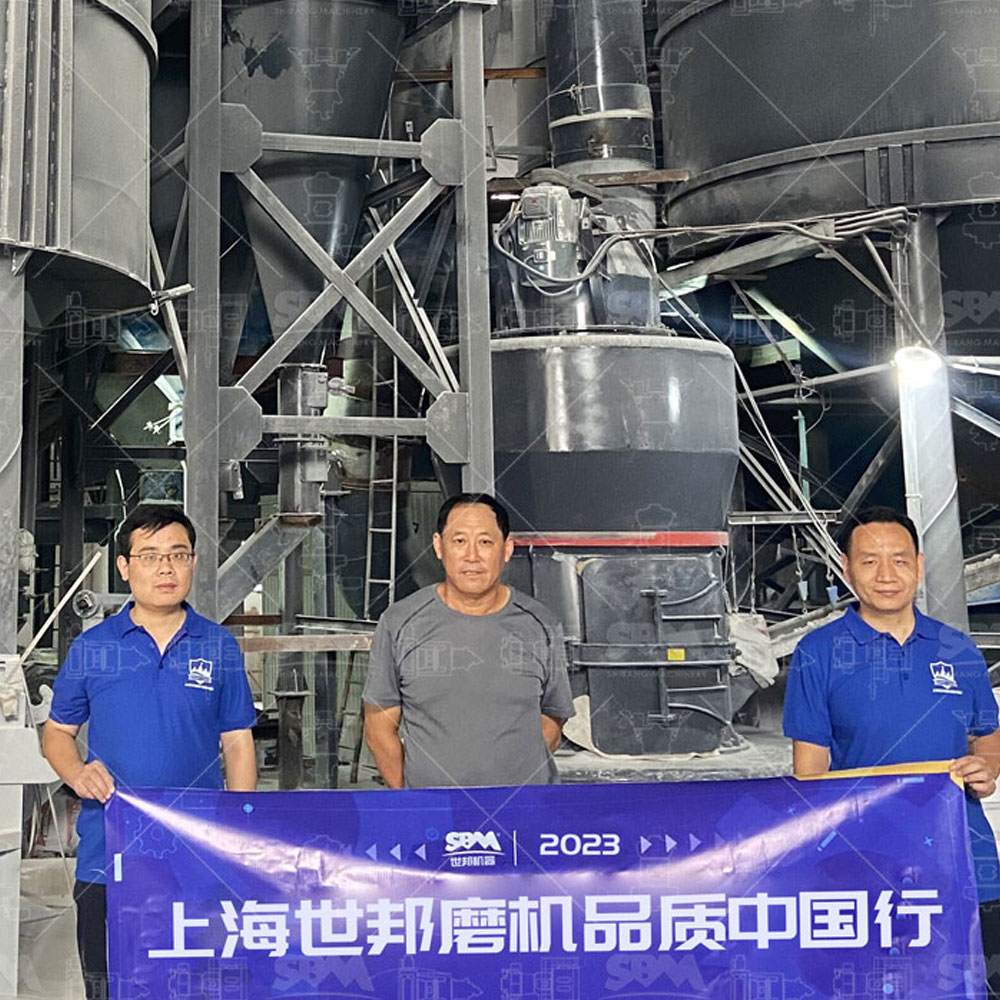
Vertical roller mills present unique challenges and opportunities for grinding roller optimization. SBM's LM Vertical Roller Mill addresses these through a comprehensive approach that integrates crushing, drying, grinding, and separation functions. The grinding rollers in this system operate without direct contact with the grinding plate, significantly reducing wear while maintaining consistent particle size distribution. This non-contact operation, combined with high-quality materials, results in service life extensions that dramatically lower operating costs. The energy efficiency gains are equally impressive, with the LM system consuming 30-40% less power than traditional ball milling systems while delivering equivalent or superior output.
For ultrafine applications demanding exceptional precision, SBM's LUM Ultrafine Vertical Mill incorporates grinding curves specifically engineered for material bed formation. The unique roller shell and lining plate profiles facilitate more efficient grinding action, increasing the proportion of finished product from primary grinding passes. This design sophistication enables the LUM mill to achieve fineness levels up to 4000 mesh while maintaining stable operation and consistent quality. The integration of PLC/DCS automatic control systems ensures precise grinding pressure regulation, further optimizing roller performance across varying material characteristics.
Material science plays a crucial role in grinding roller effectiveness. SBM utilizes specialized alloy compositions and heat treatment processes to create rollers that withstand extreme operating conditions while maintaining dimensional stability. The heavy rotor design in ultrafine applications exemplifies this approach, providing the mass necessary for effective comminution while ensuring balanced operation that minimizes vibration and extends component life. These material advancements, combined with tight manufacturing tolerances, result in durability that can be several times higher than industry standards.
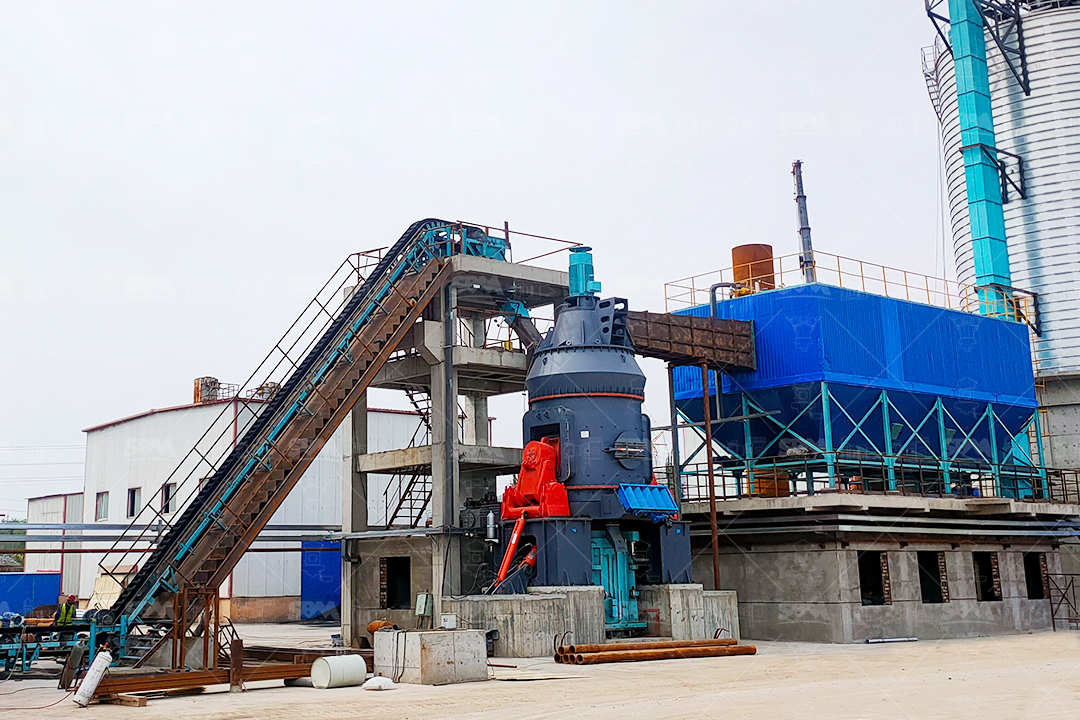
Operational intelligence represents another dimension of grinding roller optimization. SBM's automatic control systems continuously monitor and adjust grinding pressure, rotation speed, and classifier settings to maintain optimal performance. This intelligent approach prevents over-grinding, reduces energy consumption, and extends roller life by ensuring operating parameters remain within design specifications. The remote monitoring capabilities further enhance operational efficiency by enabling proactive maintenance scheduling and reducing manual intervention requirements.
Environmental considerations have become increasingly important in grinding system design, and SBM's roller technologies contribute significantly to sustainability goals. The sealed systems operating under negative pressure prevent dust emissions, while optimized geometries and materials reduce energy consumption across the processing workflow. The noise reduction features in modern grinding rollers further enhance workplace safety and environmental compliance, making SBM equipment suitable for installation in diverse operational settings.
With over 180 countries served worldwide, SBM's grinding roller technologies have proven their effectiveness across countless applications—from environmental desulfurization limestone powder preparation to sophisticated new energy materials processing. The continuous refinement of these critical components reflects SBM's commitment to innovation and customer success, ensuring that each mill delivers maximum value throughout its operational lifespan.
Frequently Asked Questions
Q: How often do grinding rollers typically need replacement in SBM mills?
A: Replacement frequency varies by application and material processed, but SBM's specialized materials and wear-resistant designs typically extend service life significantly compared to conventional rollers. The curved shovel blade design in MTW mills and non-contact operation in LM vertical mills further reduce wear rates.
Q: Can SBM grinding rollers handle abrasive materials without rapid degradation?
A: Yes, SBM utilizes advanced material compositions specifically engineered for abrasive applications. The special alloy rollers in our ultrafine mills demonstrate several times higher durability than standard options, making them suitable for challenging materials like slag, quartz, and heavy calcium carbonate.
Q: What maintenance procedures are required for optimal grinding roller performance?
A: SBM's intelligent control systems minimize manual maintenance requirements. Regular inspections, proper lubrication through our inner oil absorption systems, and monitoring of operational parameters through the PLC/DCS systems ensure optimal performance. The combined-type shovel blade design also simplifies wear part replacement when necessary.
Q: How does roller design affect final product fineness in ultrafine applications?
A: The grinding curves of roller shells and lining plates are critically engineered based on ultrafine pulverization principles. In LUM mills, this design facilitates proper material bed formation, enabling consistent fineness up to 4000 mesh while maintaining high efficiency and product quality.
Q: Are grinding roller systems compatible with automated production lines?
A: Absolutely. All SBM grinding systems feature comprehensive automation capabilities, including remote operation, automatic pressure adjustment, and integration with plant control systems. The expert automatic control systems enable seamless operation within fully automated production environments.


