

Applications of gcc grinding mills
Published: October 26, 2023
Ground Calcium Carbonate (GCC) production represents one of the most significant applications in the modern mineral processing industry, requiring precision engineering, energy efficiency, and operational reliability. Shanghai SBM Machinery Equipment Co., Ltd. addresses these demands through a comprehensive portfolio of grinding equipment, including the MTW European Trapezium Mill, LM Vertical Roller Mill, Ultrafine Mill, LUM Ultrafine Vertical Mill, and optimized Ball Mills. These solutions are engineered to handle various GCC requirements—from coarse grinding to ultra-fine powders—while minimizing operational costs and environmental impact. With deployments across over 180 countries, SBM’s grinding mills are tailored to industries such as plastics, paints, construction, and environmental desulfurization, ensuring consistent product quality and scalability.
Meeting Diverse GCC Requirements with Specialized Mills
The production of GCC involves transforming raw limestone or calcite into powders of specific fineness, which are critical for applications like polymer composites, paper coating, and architectural materials. SBM’s grinding mills are designed to cater to this spectrum, from standard 30–400 mesh powders to ultra-fine grades up to 4000 mesh. For instance, the MTW European Trapezium Mill excels in mid-range GCC production, leveraging its cone gear transmission and arc air duct to achieve outputs of 3–40 tph with minimal energy loss. Meanwhile, the SCM Ultrafine Mill and LUM Ultrafine Vertical Mill target high-value sectors where fineness below 5µm is paramount, such as high-gloss paints or advanced polymer masterbatches.
A key challenge in GCC processing is balancing output quality with operational expenses. SBM’s designs integrate wear-resistant components and automated systems to address this. The MTW series, for example, features a combined-type shovel blade that reduces replacement frequency, while the LUM Ultrafine Vertical Mill employs multi-rotor classifiers to eliminate coarse powder contamination. Such innovations ensure that GCC producers maintain consistent particle size distribution without incurring frequent downtime or high maintenance costs.
Technical Innovations Driving Efficiency and Sustainability
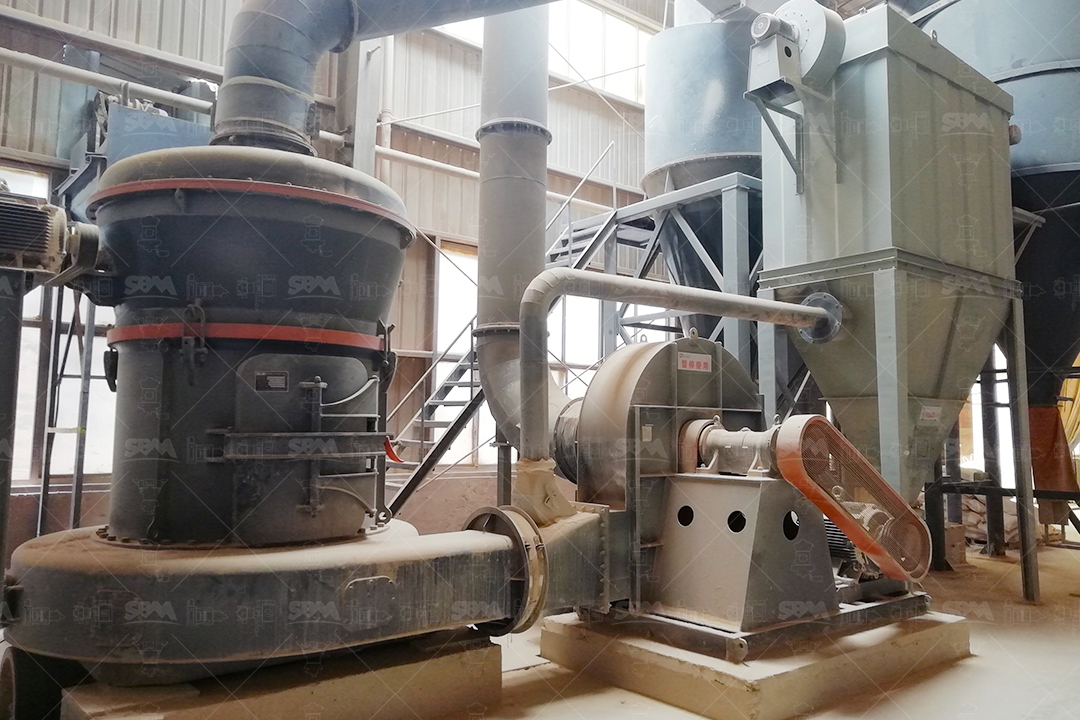
Energy consumption remains a primary concern in GCC grinding, particularly as industries strive to meet sustainability goals. SBM’s LM Vertical Roller Mill tackles this issue head-on by combining crushing, drying, grinding, and separation into a single unit. Its compact design reduces floor space by 50% compared to traditional ball mills, and its grinding mechanism consumes 30–40% less energy. Additionally, the mill operates under negative pressure, preventing dust emissions and aligning with stringent environmental standards.
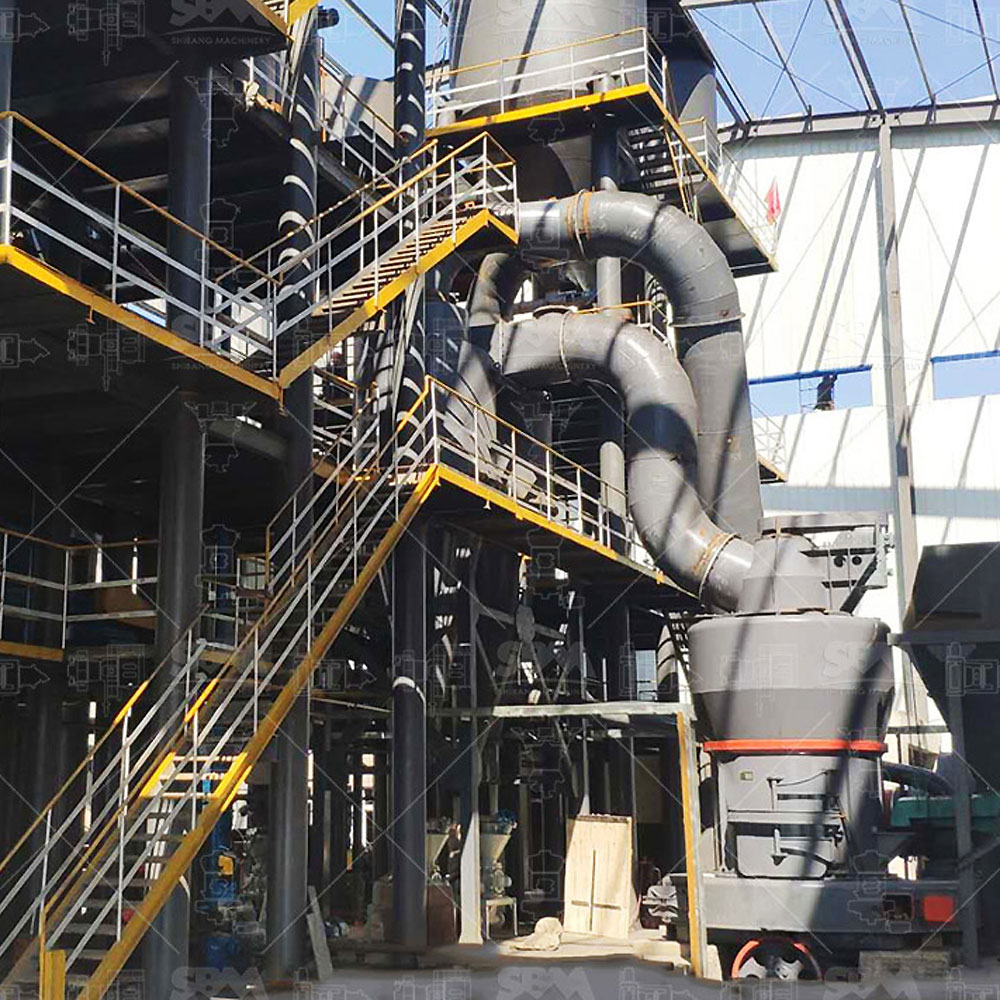
For ultra-fine GCC production, the LUM Ultrafine Vertical Mill incorporates grinding curves derived from ultrafine pulverization principles, enabling efficient material bed formation and higher primary grinding yields. Coupled with PLC-based automation, parameters like grinding pressure and classifier speed are precisely controlled, ensuring repeatable results even in continuous operations. This level of automation not only optimizes energy use but also reduces labor dependencies—a critical advantage in regions with rising operational costs.
Applications Across Industries
GCC powders produced by SBM equipment serve diverse sectors. In plastics and polymers, ultra-fine grades enhance mechanical properties and surface finish, while in construction, coarser GCC variants act as fillers in dry-mix mortars and asphalt. The environmental sector also benefits, where GCC is used in flue gas desulfurization systems to absorb sulfur oxides. Here, the MTW European Trapezium Mill’s ability to handle limestone inputs up to 50mm makes it ideal for large-scale preparation.
Moreover, SBM’s Ball Mill solutions—optimized with improved materials and structural designs—cater to wet or dry GCC processes, addressing historical issues like rapid wear of metal balls. This versatility allows clients to select equipment aligned with their specific workflow, whether for slurry-based mineral dressing or dry powder production.
Conclusion: A Partner for GCC Processing Excellence
SBM Machinery’s grinding mills offer a holistic approach to GCC production, combining advanced engineering, energy efficiency, and environmental stewardship. By leveraging technologies such as intelligent control systems, wear-resistant geometries, and modular designs, these mills empower producers to achieve superior product quality while minimizing total cost of ownership. As GCC demand grows across global markets, SBM’s proven expertise—rooted in decades of R&D and customer feedback—positions it as a trusted partner for sustainable and scalable grinding solutions.
Frequently Asked Questions (FAQs)
- What is the typical energy savings when using SBM’s LM Vertical Roller Mill for GCC processing?
The LM Vertical Roller Mill reduces energy consumption by 30–40% compared to conventional ball milling systems, thanks to its integrated grinding and drying functions. - How does SBM address wear and tear in grinding components?
SBM mills feature wear-proof designs, such as the MTW series’ curved shovel blades and LUM mill’s special roller materials, which extend service life and lower replacement costs. - Can SBM mills produce GCC powders for food-grade applications?
Yes, with fully sealed systems and negative pressure operation, SBM equipment meets hygiene standards, though material compatibility should be verified based on raw input. - What fineness range can be achieved for ultra-fine GCC?
SBM’s Ultrafine Mill and LUM Vertical Mill can produce powders ranging from 325 to 4000 mesh, with D97 ≤5µm achievable in a single pass. - Do SBM grinding systems support remote monitoring?
Yes, models like the LM and LUM series include PLC/DCS automation for remote control, real-time parameter adjustment, and operational diagnostics.


