

Carbon black mills target beyond 3000 mesh
Published on: October 26, 2023
The pursuit of ultra-fine carbon black powders, particularly those exceeding 3000 mesh, represents a significant frontier in material science and industrial processing. This demand is driven by advanced applications in plastics, coatings, batteries, and high-performance composites, where particle size directly influences conductivity, tinting strength, UV protection, and mechanical properties. Traditional grinding technologies often hit a ceiling in both fineness and energy efficiency, creating bottlenecks in production scalability and product quality. Shanghai SBM Machinery, drawing from its global experience serving over 180 countries, addresses this challenge through a portfolio of advanced milling solutions engineered for the extremes of ultrafine processing. This article explores the technological pathways and equipment innovations that make consistent, high-volume production of sub-5-micron carbon black not just a target, but an operational reality.
The journey to 3000 mesh and beyond requires a fundamental shift from conventional crushing to precision particle size reduction and classification. At this scale, achieving a narrow particle size distribution is as critical as the final fineness itself. Broad distributions can lead to inconsistent performance in the final product. SBM's approach integrates several key technological philosophies: minimizing mechanical wear to prevent contamination, optimizing energy transfer specifically for ultrafine grinding, and incorporating intelligent, stable classification systems. The goal is a process that is not only capable of reaching extreme fineness but is also reliable, cost-effective over the long term, and environmentally sound.
For many processors, the starting point in upgrading their capability is the SCM Series Ultrafine Mill. This mill is a workhorse for high-finesse applications, specifically designed to produce powders in the range of 325 to 4000 mesh. Its success in grinding carbon black to the demanding 2500-3000 mesh range hinges on several patented advantages. The heavy-duty rotor design and specially formulated grinding roller and ring materials combat the abrasive nature of carbon black, extending service life dramatically and reducing the frequency of maintenance shutdowns. Furthermore, its high-efficiency vertical turbine powder classifier ensures precise particle size cuts, preventing coarse powder spillover and guaranteeing a consistently fine product. Perhaps most compelling for operations targeting beyond 3000 mesh is its energy profile; the SCM mill boasts an energy consumption up to 30% lower than traditional jet mills while offering more than double the output, directly tackling the core operational cost pain point.
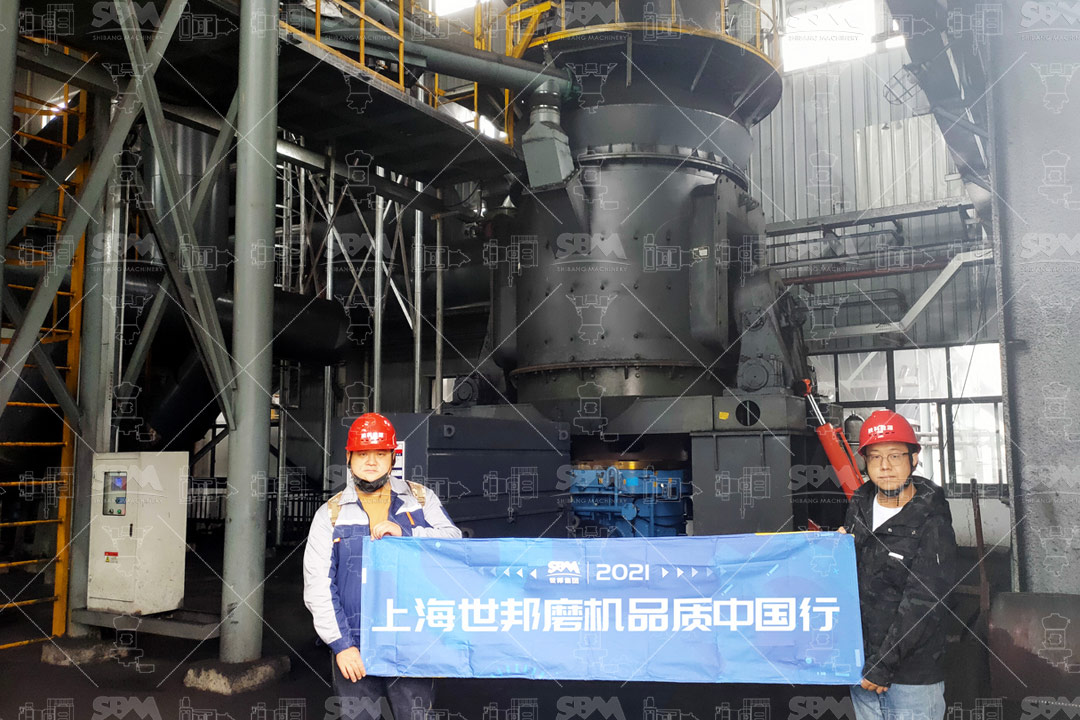
When project scope scales up, the LUM Series Ultrafine Vertical Roller Mill emerges as the strategic solution. It represents the next evolution, integrating grinding, separation, and transportation into a single, towering unit of efficiency. For large-scale carbon black production lines aiming for 10-70 tph capacities at ultrafine fineness, the LUM mill is transformative. Its core innovation lies in the grinding curve design of the roller and lining plate, engineered to promote stable material bed formation. This leads to higher primary grinding efficiency and a greater yield of on-spec product from the first pass. The integration of multi-rotor powder classifier technology, derived from German engineering, allows for exceptional precision in fineness customization up to 4000 mesh, ensuring no low-grade material contaminates the final product. The fully automated PLC/DCS control system maintains optimal grinding pressure and classifier speed, ensuring stability that is crucial for consistent quality in 24/7 operations.
The supporting cast in this ultrafine ecosystem is vital. While the MTW European Trapezium Mill and LM Vertical Roller Mill excel in the 30-400 mesh range for pre-processing or other applications, and Ball Mills serve specific wet or dry processes, the journey to superfine carbon black is anchored by the SCM and LUM series. However, system design is paramount. SBM's role as a total solution provider means ensuring that ancillary systems—from feeding and drying to dust collection and packaging—are harmonized with the core mill. The environmental aspect is non-negotiable; both the SCM and LUM mills operate under fully sealed, negative-pressure systems. This, combined with advanced pulse dust collectors, eliminates dust spillover, protects workers, and ensures emissions meet stringent international standards, making the pursuit of ultrafine powders a clean and sustainable endeavor.
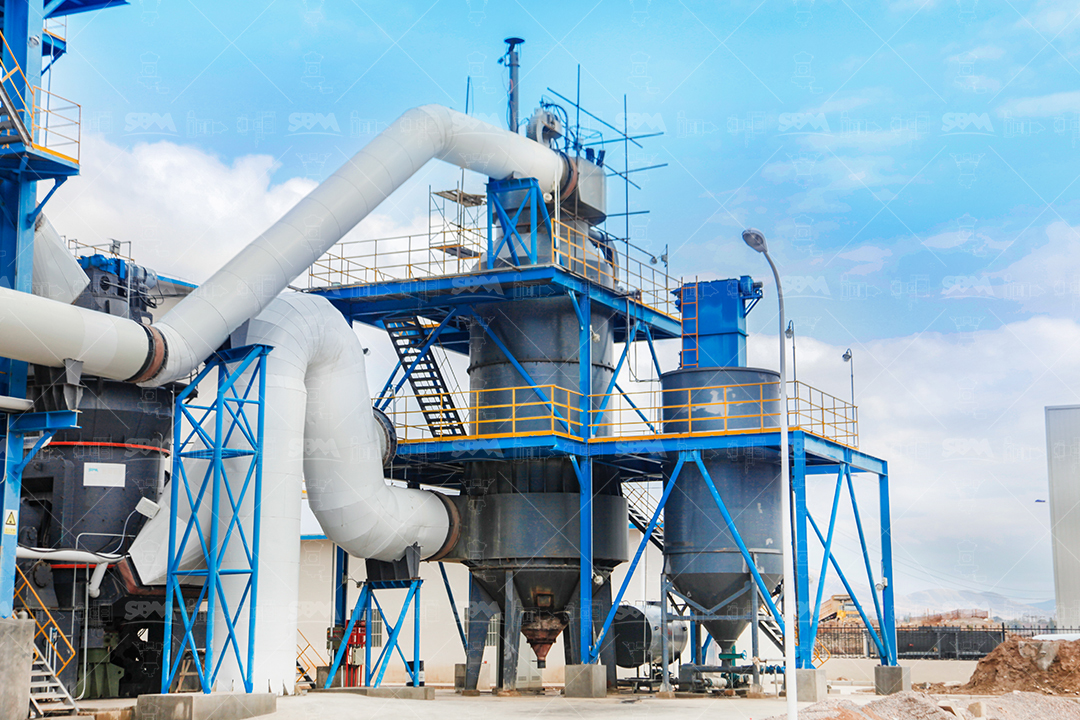
In conclusion, pushing carbon black grinding boundaries beyond 3000 mesh is a multifaceted challenge requiring more than just a powerful grinder. It demands a synergistic combination of wear-resistant mechanics, intelligent classification, energy-conscious design, and holistic system engineering. Through continuous R&D informed by thousands of global projects, SBM Machinery has developed a graduated suite of technologies that empower producers to not only reach these extreme fineness specifications but to do so with improved operational economics, system stability, and environmental responsibility. The future of high-value carbon black applications is ultrafine, and the technology to process it efficiently is already here.
Frequently Asked Questions (FAQs)
Q1: We struggle with rapid wear of grinding parts when processing abrasive materials like carbon black. How do your mills address this?
A1: Our SCM and LUM mills utilize specially developed materials for grinding rollers and rings, along with unique structural designs (like the curved shovel blade in SCM and optimized grinding curves in LUM). These features significantly extend service life, sometimes by multiples, reducing part replacement frequency, maintenance downtime, and the risk of metallic contamination in your product.
Q2: Energy consumption is our biggest cost concern for ultrafine grinding. Can your mills really improve efficiency?
A2: Absolutely. A key advantage of our ultrafine mills is their high efficiency. For instance, the SCM Ultrafine Mill consumes approximately 30% less energy than a jet mill of comparable output for reaching 2500+ mesh. The LUM Vertical Mill's material-bed grinding principle is inherently more efficient than impact-based methods, leading to substantial long-term energy savings.
Q3: How do you ensure a consistent and narrow particle size distribution at 3000 mesh, not just an average fineness?
A3: Consistency is achieved through advanced integrated classification technology. Both mills feature high-precision, independently controlled classifiers (vertical turbine in SCM, multi-rotor in LUM). These systems provide accurate particle size cuts, prevent coarse powder spillover, and allow real-time adjustment to maintain a tight, consistent particle size distribution critical for premium product performance.
Q4: We need large-scale production capacity but fear system instability. Are these mills reliable for continuous 24/7 operation?
A4: Yes, stability is a core design principle. The LUM Mill, built for large capacity, features a robust mechanical structure and an expert automatic control system (PLC/DCS). This system automatically maintains optimal grinding pressure and operational parameters, ensuring smooth, stable, and continuous operation with minimal manual intervention, which is ideal for large-scale production lines.
Q5: Dust control is a major health and environmental issue in powder processing. How do your systems manage this?
A5: Our systems are designed with environmental protection as a priority. The entire grinding and classification process occurs in a fully sealed system operating under negative pressure. This, combined with high-efficiency pulse dust collectors (99%+ efficiency), ensures no dust escapes into the workshop. The result is a clean working environment and compliance with strict international emission standards.


