

Suitable mills for marble processing
Published on: October 26, 2023
Selecting the optimal grinding mill is critical for achieving profitability and product quality in marble processing. This article provides a professional analysis of suitable mill technologies, focusing on addressing common industry challenges such as high energy consumption, excessive wear part costs, inconsistent fineness, and environmental compliance. Drawing from extensive global application data and technological advancements, we explore how modern grinding solutions—specifically European Trapezium Mills, Vertical Roller Mills, Ultrafine Mills, Ultrafine Vertical Mills, and optimized Ball Mills—can transform marble powder production by enhancing efficiency, reducing operational costs, and enabling precise control over final product specifications from coarse aggregates to ultra-fine fillers.
The processing of marble, from coarse chips to refined powders used in plastics, paints, and construction materials, demands equipment capable of high precision, durability, and energy efficiency. The core challenge lies in matching the mechanical and chemical properties of marble—its hardness, abrasiveness, and desired fineness—with a mill's grinding mechanism, system design, and operational parameters. A mismatch often leads to premature wear, excessive power draw, or an inability to reach target particle size distributions, directly impacting the bottom line.
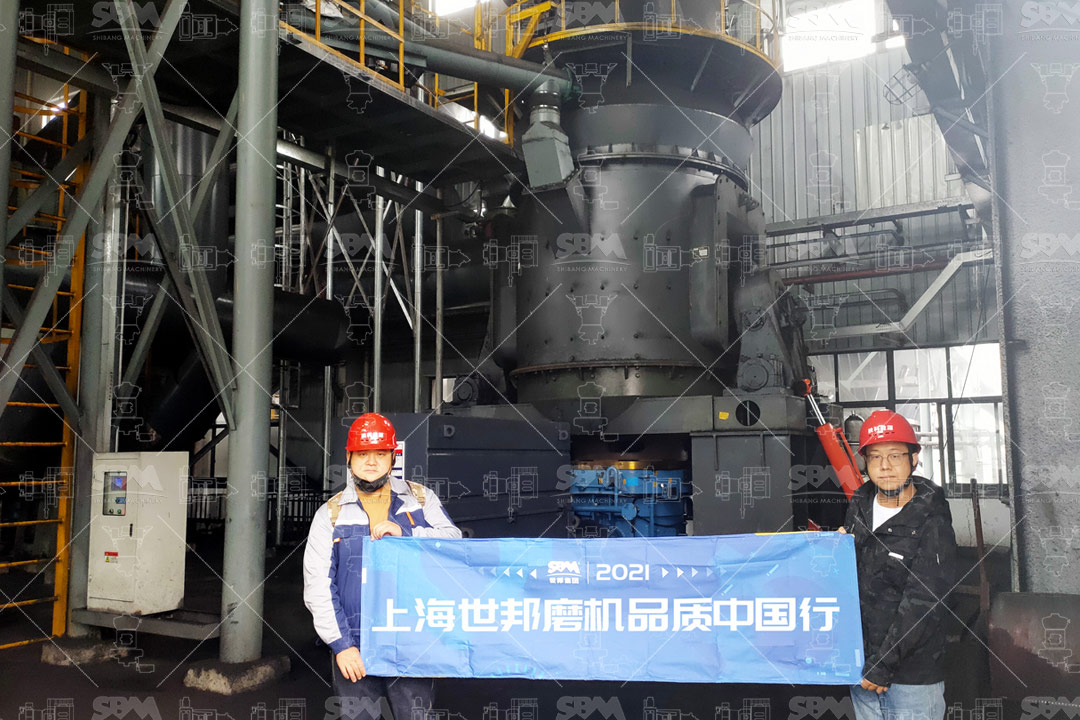
For general-purpose grinding to medium fineness (30-400 mesh), the MTW Series European Trapezium Grinding Mill presents a robust solution. Its evolution from traditional Raymond mill technology incorporates critical innovations directly addressing wear and efficiency pain points. The patented curved shovel blade design not only improves material feeding but significantly extends the service life of grinding rollers and rings, a major cost center in processing abrasive materials like marble. The cone gear whole transmission system eliminates energy losses common in older gearbox designs, while the arc air duct ensures smooth pneumatic transport of ground powder, minimizing internal resistance and power consumption. This mill is particularly suited for producing consistent powders for building materials and industrial fillers where reliability and lower maintenance costs are paramount.
When project scope demands higher throughput and integrated processing, the LM Vertical Roller Mill stands out. Its defining advantage is the consolidation of drying, grinding, classifying, and conveying into a single, compact unit. For marble processors dealing with marginally moist feed or seeking to simplify their plant layout, this integration reduces capital investment and footprint by up to 50% compared to traditional ball mill circuits. The grinding principle—where rollers hydraulically press against a rotating table—offers superior energy efficiency, typically 30-40% lower than ball mills for the same output. Furthermore, its operation under full negative pressure ensures a dust-free environment, automatically addressing one of the most persistent housekeeping and regulatory challenges in mineral processing plants.
The pursuit of high-value-added applications, such as premium coatings, high-grade plastics, and artificial stone, requires ultrafine marble powders (400 mesh and beyond). Here, SCM Ultrafine Mill and LUM Ultrafine Vertical Mill enter as specialized tools. The SCM series, based on an enhanced ring-roller system, achieves fineness up to 4000 mesh (D97 ≤ 5µm). Its heavy-duty rotor design and use of special alloy materials for rollers and rings combat the extreme wear associated with ultrafine grinding. The LUM series represents the next technological leap, integrating vertical roller mill efficiency with advanced German powder separation technology. Its multi-rotor classifier allows precise, stepless adjustment of final product fineness, ensuring no coarse particles contaminate the premium product. The ability to form a stable material bed on the grinding plate also contributes to higher energy efficiency and more uniform particle geometry, which is crucial for performance in masterbatch and engineered stone.
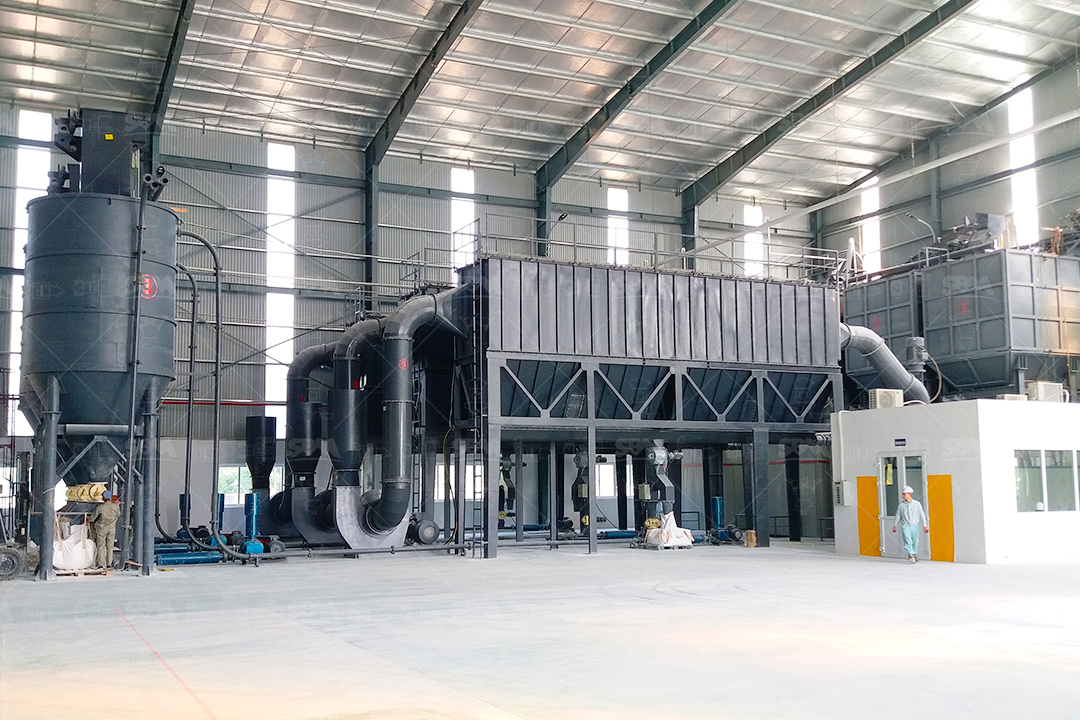
While newer technologies often take the spotlight, the modernized Ball Mill retains its relevance for specific marble processing stages, especially where wet grinding is beneficial or for certain granular products. Recognizing historical drawbacks like high liner/ball wear and energy intensity, contemporary designs focus on structural optimization and advanced material science for liners and grinding media. This significantly reduces the frequency and cost of part replacement. For marble slurry production or when combined with a high-efficiency classifier in a closed circuit, a ball mill can offer a reliable and flexible solution.
Ultimately, the choice is not about finding a single "best" mill, but about identifying the most suitable system aligned with your specific production goals, feed characteristics, desired product portfolio, and site constraints. A partner with deep application expertise across the entire spectrum of grinding technologies can provide invaluable guidance, ensuring your investment delivers optimal return through enhanced productivity, lower total operating cost, and access to higher-value market segments.
Frequently Asked Questions (FAQs)
Q1: We experience rapid wear of grinding parts when processing marble, leading to frequent downtime and high spare part costs. How can this be mitigated?
A1: This is a common challenge due to marble's abrasiveness. Solutions like the MTW Mill's curved shovel blade design and the use of special alloy materials in Ultrafine Mills are engineered specifically to extend service life. The non-contact grinding principle in Vertical Roller Mills also drastically reduces direct wear, lowering operating costs.
Q2: Our energy bills for grinding are excessively high. Are there more efficient options?
A2: Absolutely. Vertical Roller Mills (LM, LUM) are typically 30-40% more energy-efficient than traditional ball mills for the same output, due to their focused grinding mechanism and integrated design. The efficient transmission systems in modern mills also minimize mechanical power loss.
Q3: We need to produce multiple grades of fineness, from coarse filler to ultrafine powder, but switching setups is time-consuming.
A3: Mills with advanced classifier systems, such as the LUM Ultrafine Vertical Mill with its multi-rotor classifier, allow quick and precise adjustment of fineness (from 325 to 4000 mesh) without major mechanical changes, enabling flexible production on a single line.
Q4: Dust control is a major operational and environmental concern for our plant. How do modern mills address this?
A4: Contemporary grinding systems are designed as fully sealed negative-pressure systems. This means air is drawn into the mill, preventing dust from escaping at feed or discharge points. All exhaust is routed through high-efficiency bag filters or pulse dust collectors, ensuring emissions meet strict environmental standards.
Q5: We have limited plant space. Can a complete grinding system be compact?
A5: Yes. Integrated mills like the LM Vertical Roller Mill and LUM Ultrafine Vertical Mill combine multiple functions (grinding, drying, classifying, conveying) into a single, vertical structure. This can reduce the floor space requirement by up to 50% compared to traditional horizontal ball mill circuits, allowing for outdoor installation.


