

Sbm grows based on market demand
Published: October 26, 2023
In today's dynamic industrial landscape, the ability to adapt and innovate in response to shifting market demands is not just an advantage—it's a necessity for survival and growth. Shanghai SBM Machinery Equipment Co., Ltd. exemplifies this principle, having evolved from a supplier of grinding units into a global total solution provider. By consistently channeling direct customer feedback and observed industry pain points into its R&D pipeline, SBM has cultivated a portfolio of advanced grinding equipment that addresses core challenges across power generation, mining, chemicals, building materials, and the burgeoning new energy sector. This customer-centric, demand-driven development philosophy has propelled SBM machinery to serve over 180 countries, establishing it as a preferred partner for projects requiring reliability, efficiency, and technological sophistication in mineral processing and powder preparation.
The journey of SBM's product evolution is a testament to listening to the market. A prime example is the development of the MTW Series European Trapezium Grinding Mill. This mill was not conceived in a vacuum; it is the culmination of extensive analysis of traditional mill limitations and the integration of proposals from more than 9,500 customers worldwide. The result is a machine that tackles long-standing operational headaches. Its cone gear whole transmission system, for instance, was engineered to resolve issues of mechanical complexity and energy loss, delivering higher transmission efficiency in a more compact footprint. Similarly, the innovative arc air flue design directly counters the problem of pneumatic energy waste common in older systems, ensuring more efficient material transport. This iterative, feedback-rich development process ensures that each technical advancement—from the unique wear-proof shovel blade that slashes maintenance costs to the high-strength volute—solves a real-world problem, translating directly into lower operating costs and higher uptime for the end-user.
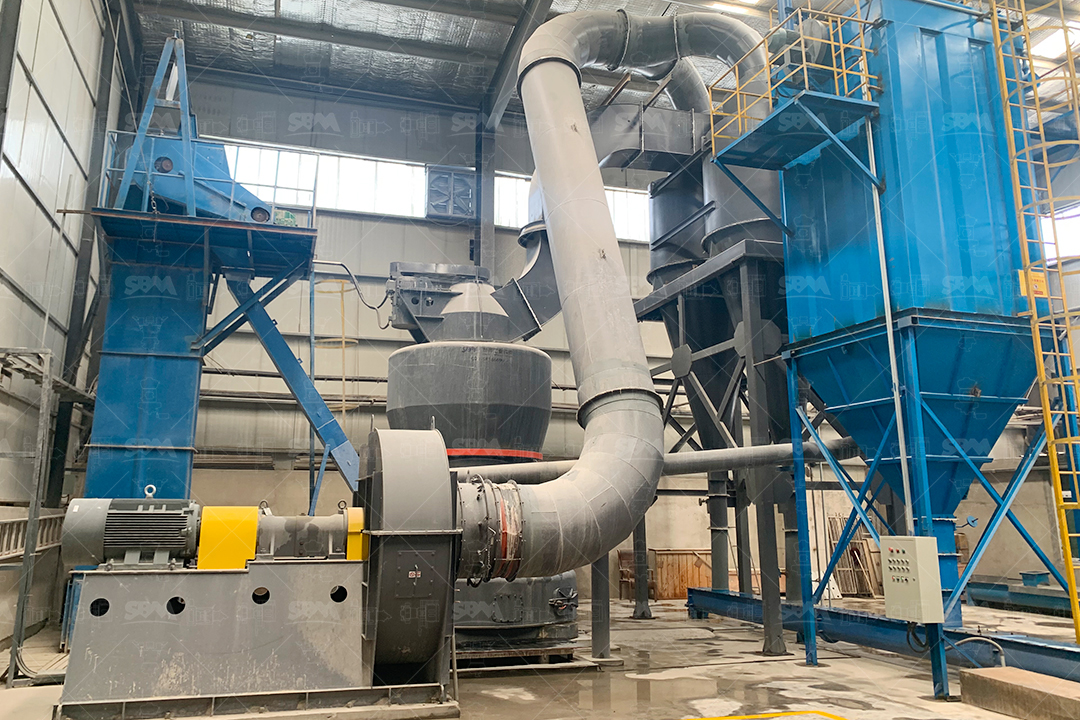
As industries pushed for greater scale and integration, market demand signaled a need for systems that could do more with less—less space, less energy, and less manual intervention. SBM's response was the Vertical Roller Mill (VRM). This product was launched specifically as a solution to the technical issues of low output and high energy consumption plaguing ordinary milling operations. By integrating crushing, drying, grinding, and classification into a single, coherent system, the VRM attacks the pain point of high comprehensive investment. Its compact design reduces the floor space requirement by approximately 50% compared to traditional ball-milling systems, a critical factor for modern, space-conscious plant layouts. Furthermore, its operating cost advantages are profound. The grinding principle and use of premium materials result in wear rates up to 40% lower than conventional systems, while the expert automatic control system addresses the growing demand for plant automation and reduced labor dependency, allowing for seamless remote operation.
Perhaps the most dramatic shift in market demand has been the relentless drive towards finer powders and specialized materials for advanced applications. General grinding mills quickly hit their technical limits, creating a significant gap between client requirements and available technology. SBM's development of the SCM Series Ultrafine Mill and the LUM Ultrafine Vertical Mill directly fills this gap. These machines are engineered for the medium and high-end processing markets, such as plastic masterbatch, PVC, artificial stone, and new energy materials. The SCM mill achieves fineness up to 2500 mesh, addressing the core pain point of insufficient product fineness. Its high-output, low-energy-consumption design, which doubles the capacity of jet mills while cutting energy use by 30%, tackles the twin challenges of productivity and sustainability. The LUM series takes this further with advanced multi-rotor classifier technology, enabling precise, customizable fineness with no low-grade material spillover—a critical quality requirement for high-value industries.
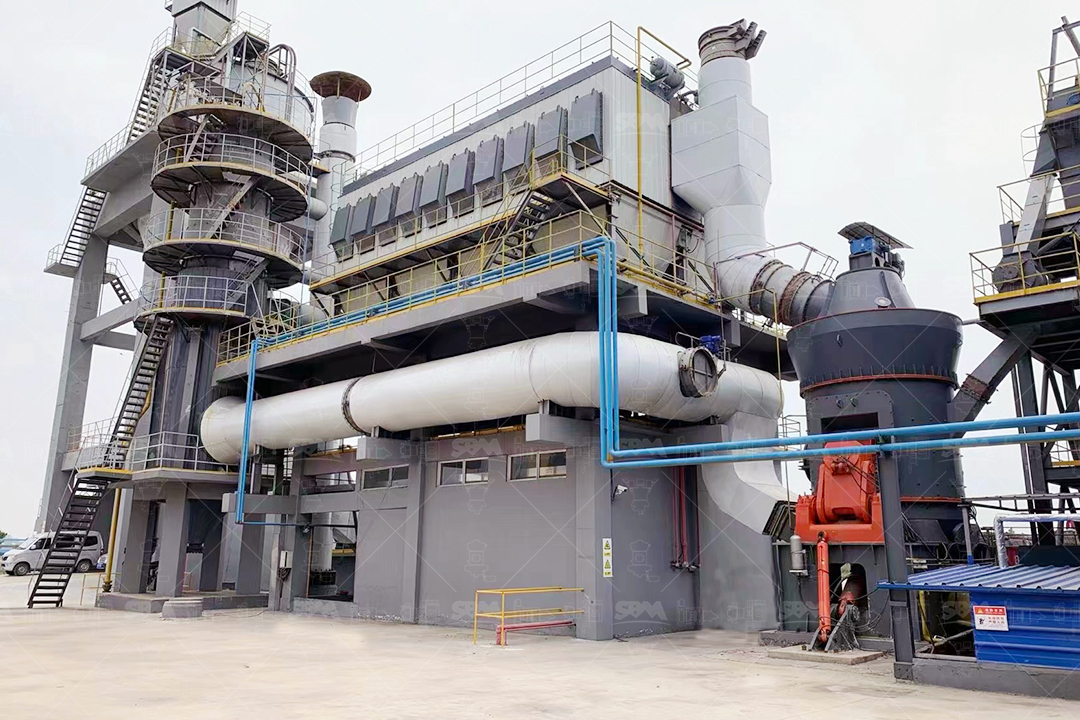
Even for mature technologies like the ball mill, SBM's growth is dictated by addressing persistent market complaints. Investors consistently highlighted excessive wear of metal balls and unsustainably high energy consumption. In response, SBM optimized the structural design and adopted new, more durable materials, significantly reducing the cost and frequency of spare part replacement. By offering specialized variants like dry ball mills for common powder and wet ball mills for mineral dressing, SBM demonstrates a nuanced understanding that different market segments have distinct processing demands, and a one-size-fits-all solution is often inadequate.
Ultimately, SBM's growth trajectory is a clear function of its commitment to solving market-driven problems. Every innovation, from the autonomous patent technologies in its trapezium mills to the environmentally sealed systems of its vertical mills that operate under negative pressure to eliminate dust, is a direct answer to a voiced industry need for higher efficiency, lower cost, better product quality, and stricter environmental compliance. By treating market demand not as noise but as the most valuable R&D blueprint, SBM continues to engineer the future of grinding, one customer challenge at a time.
Frequently Asked Questions (FAQs)
- Q: We struggle with high maintenance costs and frequent downtime due to part wear in our grinding process. How can SBM equipment help?
A: Our mills are specifically designed to minimize wear and operational costs. For example, the MTW Mill's combined-type shovel blade allows you to replace only the blade segment, not the entire part. Our Vertical and Ultrafine Mills use special materials for rollers and rings, offering several times the durability of conventional parts, drastically reducing maintenance frequency and cost. - Q: Our plant has limited space, but we need to increase production capacity. Is there a solution?
A: Absolutely. Our Vertical Roller Mill (VRM) integrates multiple functions (drying, grinding, separating) into one compact system, occupying about 50% less floor space than a traditional ball mill circuit. This allows for significant capacity upgrades within your existing spatial constraints. - Q: Energy consumption is our biggest operational expense. Do SBM mills offer efficiency improvements?
A: Yes, energy efficiency is a core design focus. Our VRM consumes 30-40% less energy than a ball mill system of comparable output. Our SCM Ultrafine Mill uses 30% less energy than jet mills while providing more than double the capacity, directly lowering your per-ton energy cost. - Q: We need to produce much finer powders for new products but our current mills cannot achieve the required fineness. What are our options?
A: SBM's Ultrafine Mills (SCM and LUM series) are engineered for this exact challenge. They reliably produce powders from 325 to 4000 mesh, with one-time fineness as fine as D97≤5μm. The advanced classifier technology ensures precise particle size distribution without coarse powder spillover, meeting the demands of high-end applications. - Q: We are under pressure to meet stricter environmental and noise regulations. How do SBM systems perform in this regard?
A: All our modern mills are designed with high environmental standards. They operate under fully sealed, negative-pressure systems, preventing any dust spillover. Features like optimized sound insulation rooms and mufflers effectively control noise pollution, ensuring your operation complies with stringent national and international environmental regulations.


