

Development prospects in mining industry
Published on: October 26, 2023
The global mining industry stands at a pivotal juncture, driven by the dual imperatives of escalating demand for raw materials and the urgent need for sustainable, efficient operations. The future of mineral extraction and processing hinges on technological innovation that can simultaneously boost productivity, reduce environmental footprint, and lower operational costs. Advanced grinding technology, as a core component of mineral processing, is central to this evolution. Companies like Shanghai SBM Machinery Equipment Co., Ltd., with its comprehensive portfolio of grinding solutions, are at the forefront of addressing these challenges. By integrating intelligent automation, energy-efficient designs, and environmentally conscious engineering into equipment such as the MTW European Trapezium Mill, LM Vertical Roller Mill, and various ultrafine grinding systems, the industry is poised to unlock new levels of precision, yield, and operational reliability, transforming raw ore into high-value products more effectively than ever before.
The trajectory of mining is increasingly defined by the need to process more complex and lower-grade ores, which demands finer grinding and more sophisticated separation techniques. This shift places immense pressure on traditional milling systems, often plagued by high energy consumption, excessive wear on components, and significant downtime for maintenance. The industry's response has been a decisive move towards integrated, high-efficiency grinding systems. For instance, vertical roller mill technology represents a paradigm shift. By consolidating crushing, drying, grinding, and classification into a single, compact unit, these systems can reduce the physical footprint of a plant by up to 50% while slashing energy consumption by 30-40% compared to conventional ball milling circuits. This not only lowers capital expenditure but also dramatically cuts ongoing operating costs, a critical factor for long-term project viability.
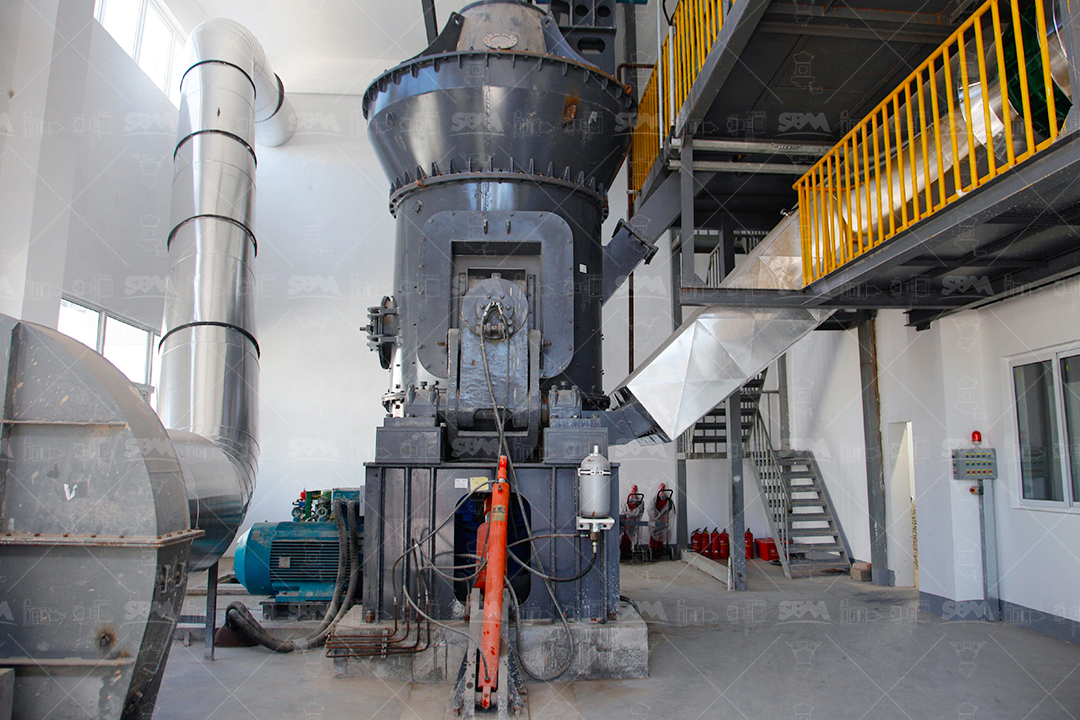
Beyond efficiency, the push for higher-value mineral products is accelerating the adoption of ultrafine grinding technologies. In sectors like battery materials, advanced ceramics, and high-performance fillers, product fineness and particle size distribution are paramount. Equipment such as the SCM Ultrafine Mill and LUM Ultrafine Vertical Mill are engineered to meet these stringent demands, capable of producing powders with fineness up to 4000 mesh. These mills incorporate advanced classifier technology for precise particle size control and feature heavy-duty, wear-resistant components that extend service life, directly addressing the pain point of frequent part replacement. The intelligent control systems embedded within these mills allow for remote monitoring and automated adjustment of key parameters like grinding pressure and classifier speed, ensuring consistent product quality while minimizing manual intervention and labor costs.
Environmental stewardship is no longer an optional add-on but a core operational requirement. Modern grinding equipment is designed with this principle integrated from the ground up. Sealed systems operating under negative pressure prevent dust emissions, while optimized mechanical designs and sound insulation materials significantly reduce noise pollution. The arc air duct design in the MTW Series Mill, for example, minimizes air flow resistance and energy loss, contributing to overall system efficiency. Furthermore, the ability to utilize waste heat for drying processes within the mill itself enhances sustainability. This holistic approach to environmental compliance helps mining operators meet increasingly strict regulations without sacrificing productivity, turning a regulatory challenge into an operational advantage.
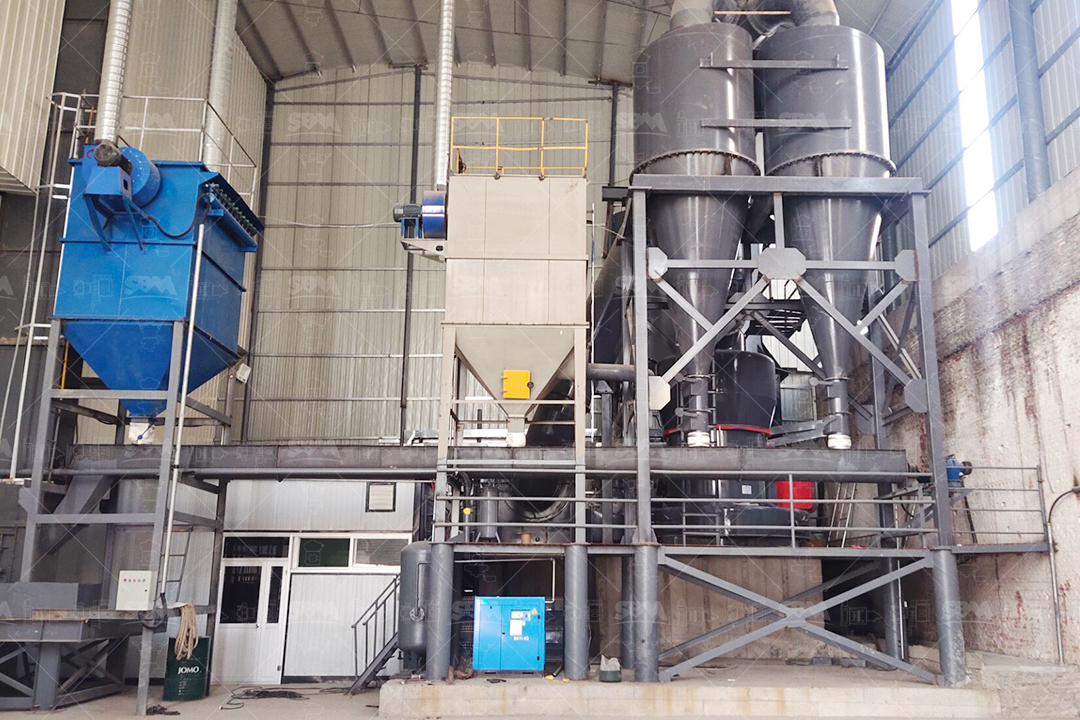
Looking ahead, the development prospects in mining are inextricably linked to digitalization and the Industrial Internet of Things (IIoT). The next generation of grinding machinery is evolving into smart, connected assets. Predictive maintenance, driven by sensor data analytics, can forecast wear on rollers and liners, scheduling replacements during planned downtime rather than after catastrophic failure. Real-time performance optimization algorithms can adjust mill operations based on feed ore characteristics, maximizing throughput and energy efficiency dynamically. As a total solution provider, the focus is shifting from merely supplying equipment to offering guaranteed performance outcomes—ensuring a specific throughput at a target fineness with contracted energy consumption. This service-oriented model, backed by reliable and technologically advanced equipment, will define successful partnerships in the future mining landscape, enabling operators to navigate volatility and secure a competitive edge through superior process economics.
Frequently Asked Questions (FAQs)
- How can we significantly reduce the high energy consumption of our existing grinding circuit?
Modern mills like Vertical Roller Mills are designed with integrated grinding and drying, often consuming 30-40% less energy than traditional ball mills. Their efficient grinding principle and advanced drive systems directly target this core operational cost. - We face constant downtime due to rapid wear of grinding rollers and rings. What solutions exist?
Advanced mills utilize special alloy materials and innovative designs, such as curved shovel blades and non-contact grinding principles, to dramatically extend the service life of wear parts, sometimes by several times, reducing maintenance frequency and cost. - Our product quality is inconsistent, and achieving precise fineness is challenging. How can we improve?
High-efficiency turbine classifiers and intelligent PLC control systems in ultrafine mills allow for precise, adjustable, and stable control over particle size distribution, ensuring consistent, high-quality output even for fineness up to 4000 mesh. - We are expanding but have limited plant space. Is compact equipment available?
Yes, integrated grinding systems have a significantly smaller footprint. For example, a complete Vertical Roller Mill system may require about 50% less space than a conventional ball mill setup and can even be installed outdoors. - How can we better manage environmental compliance, particularly concerning dust and noise?
Contemporary mills are fully sealed and operate under negative pressure, preventing dust escape. Additionally, features like optimized sound insulation rooms and efficient pulse dust collectors ensure operations meet stringent national environmental standards for emissions and noise.


