

Carbon black mill price trend analysis
Published: October 26, 2023
The global market for carbon black processing equipment is influenced by a complex interplay of raw material availability, energy costs, technological innovation, and evolving end-user demands. While direct price fluctuations are subject to volatile market forces, the overarching trend emphasizes long-term operational efficiency, sustainability, and total cost of ownership. Companies investing in advanced grinding technology are better positioned to mitigate raw material and energy cost pressures through superior energy efficiency, higher yield rates, and reduced maintenance downtime. This analysis explores the key market drivers and technological responses, highlighting how modern milling solutions from industry leaders like SBM Machinery provide strategic advantages beyond initial capital expenditure.
The carbon black industry serves as a critical component in rubber reinforcement, pigment production, and conductive materials. Processing this material demands precision grinding to achieve specific particle size distributions and surface characteristics. Traditional milling methods often struggle with efficiency, consistency, and environmental controls, leading to higher operational costs that are sensitive to external market trends. The shift in buyer focus is evident: procurement decisions are increasingly based on lifecycle cost analysis rather than upfront price alone. Factors such as energy consumption per ton, wear part longevity, system automation, and compliance with stringent environmental regulations now dominate the evaluation criteria for new equipment investments.
Technological innovation is the primary counterbalance to market cost pressures. For instance, the development of the MTW Series European Trapezium Grinding Mill incorporates features directly addressing operational cost concerns. Its cone gear whole transmission system enhances mechanical efficiency, reducing power loss. The unique wear-proof shovel blade design and inner oil absorption lubrication system significantly extend the service life of critical wear parts, minimizing downtime and spare part inventory costs. These design philosophies translate directly into buffering against the trend of rising maintenance and energy expenses.
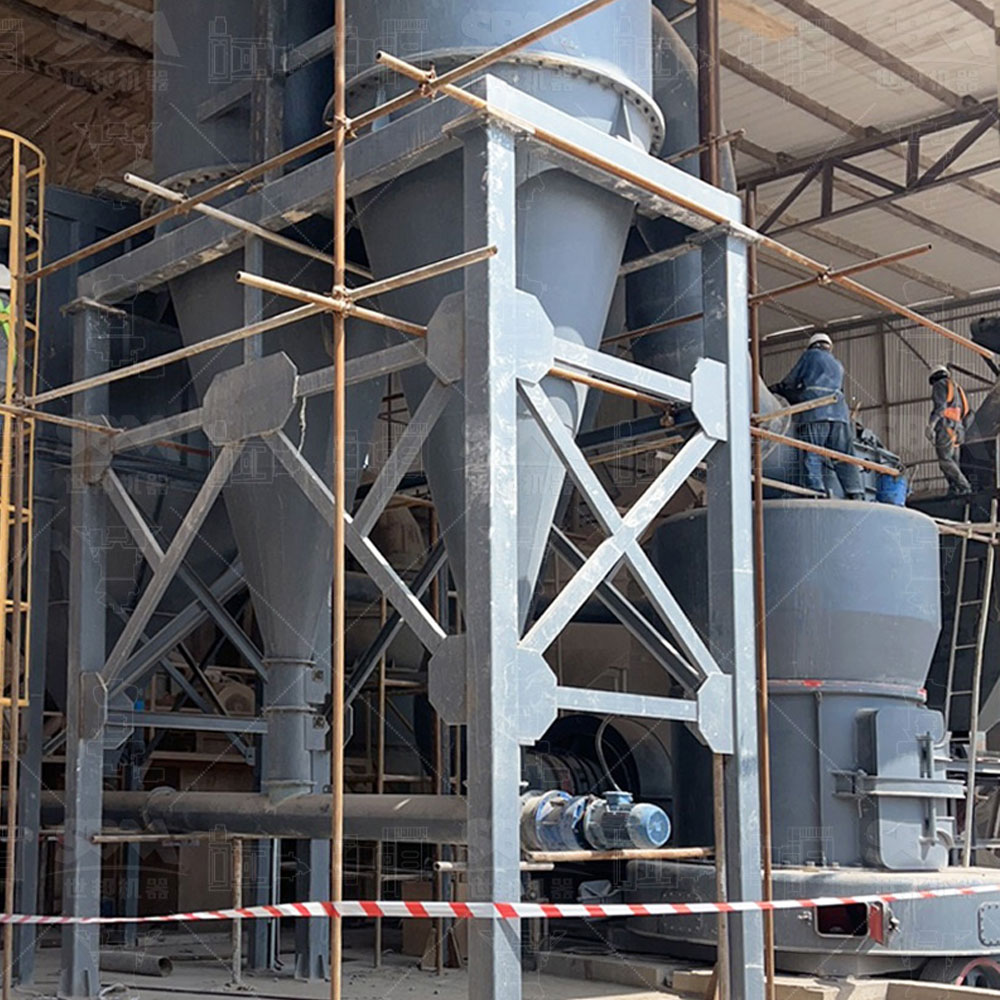
Vertical roller mill technology represents another significant leap forward. The LM Vertical Roller Mill and its ultra-fine counterpart, the LUM Ultrafine Vertical Mill, integrate crushing, drying, grinding, and classification into a single, compact unit. This integration offers a decisive advantage. By occupying approximately 50% of the space required by a traditional ball mill system and consuming 30-40% less energy, these vertical mills directly address the twin pressures of high energy costs and facility footprint limitations. Their ability to operate under full negative pressure ensures dust-free operation, aligning with global trends toward stricter environmental, health, and safety standards, which can otherwise impose substantial compliance costs.
For applications requiring ultra-fine carbon black powders, technological specificity is key. The SCM Ultrafine Mill and LUM Ultrafine Vertical Mill are engineered to achieve fineness up to 4000 mesh. Their high-efficiency turbine classifiers ensure precise particle size cuts with minimal energy waste. The intelligent automatic control systems featured in these mills allow for real-time adjustment of grinding parameters, ensuring consistent product quality despite variations in feed material—a common industry pain point. This consistency reduces waste and re-processing cycles, effectively insulating producers from the cost implications of yield loss.
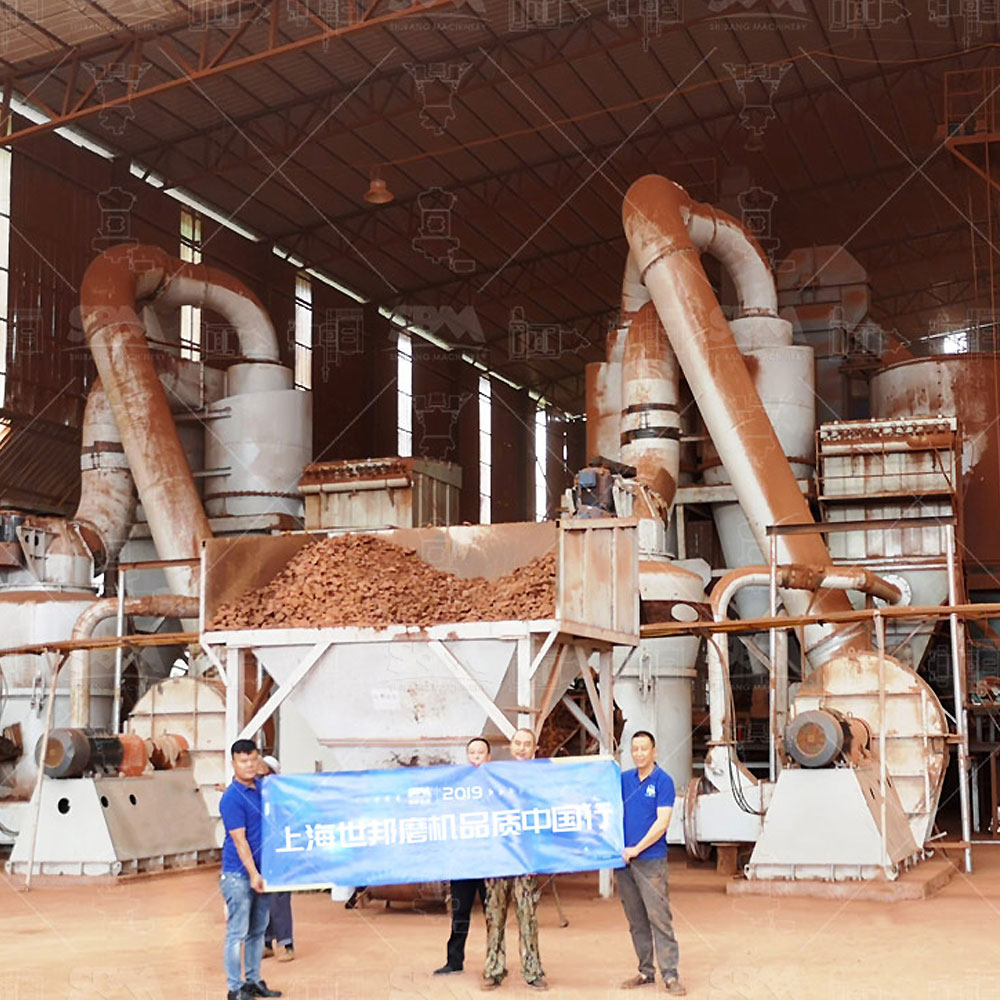
Even mature technologies like the Ball Mill have seen targeted optimizations to meet modern cost challenges. Through structural redesign and the use of advanced materials, wear rates have been reduced, addressing a perennial source of operational expense. The availability of both dry and wet process configurations allows producers to select the most efficient method for their specific carbon black application, optimizing both output and resource utilization.
In conclusion, the trend analysis for carbon black milling points toward a market where capital equipment decisions are strategic. Success hinges on selecting technology partners that offer not just machinery, but holistic solutions designed for efficiency, reliability, and adaptability. A supplier with a proven global track record, a comprehensive portfolio from coarse to ultra-fine grinding, and a focus on R&D-driven innovation provides the best defense against unpredictable market cost trends, ensuring profitable and sustainable operations for years to come.
Frequently Asked Questions (FAQs)
Q1: We experience frequent downtime due to wear part replacement in our current mill. How can modern equipment design mitigate this?
A: Advanced mills employ proprietary designs like curved shovel blades, special alloy rollers and rings, and centralized lubrication systems. These features dramatically extend service life, sometimes by multiples, reducing replacement frequency, maintenance labor, and inventory costs for spare parts.
Q2: Energy costs are our biggest operational challenge. Are there mills specifically designed for lower power consumption?
A: Yes. Vertical Roller Mills (like the LM and LUM series) are renowned for their energy efficiency, typically consuming 30-40% less power than traditional ball milling systems for the same output, due to their direct grinding principle and integrated design.
Q3: Achieving consistent fineness, especially in ultra-fine ranges (above 2500 mesh), is difficult. How is this addressed?
A: High-precision, frequency-controlled turbine classifiers in ultrafine mills (SCM & LUM) allow for extremely accurate particle size cuts. Coupled with intelligent PLC systems that auto-adjust parameters, they ensure stable and repeatable product fineness from batch to batch.
Q4: Dust emission and noise are significant environmental and workplace concerns. What features ensure compliance?
A: Modern mills are designed as fully sealed systems operating under negative pressure, preventing dust escape. Integrated high-efficiency pulse dust collectors and sound insulation technologies keep emissions and noise well within international and national environmental standards.
Q5: Our production needs vary. Do we need completely different mills for coarse grinding and ultra-fine grinding?
A> Not necessarily. A comprehensive solution provider offers a portfolio. For example, an MTW Mill is ideal for 30-400 mesh products, while an SCM or LUM Mill handles 325-4000 mesh. A qualified partner can analyze your needs and recommend the most efficient system or combination, often allowing for future scalability.


