

Sbm: precautions for crusher operation
Published on: October 26, 2023
Safe and efficient crusher operation is paramount for maximizing productivity, ensuring personnel safety, and protecting your investment in SBM grinding equipment. This comprehensive guide outlines essential precautions and best practices tailored to SBM's advanced mill designs, including the MTW European Trapezium Mill, LM & LUM Vertical Roller Mills, SCM Ultrafine Mill, and optimized Ball Mills. By adhering to these operational guidelines, operators can mitigate common pain points such as premature wear, unplanned downtime, inconsistent product fineness, and safety hazards, thereby achieving optimal performance, extended equipment lifespan, and lower total operational costs.
Successful crusher and grinding mill operation begins long before the start button is pressed. A thorough pre-operation inspection is non-negotiable. For all SBM mills, this includes verifying that all access doors are securely closed, checking for any residual material or obstructions in the crushing chamber and feed hopper, and ensuring all safety guards and interlocks are functional. Inspect key wear parts specific to your mill model. For instance, in the MTW European Trapezium Mill, pay close attention to the unique combined-type shovel blades and the grinding roller and ring. The curved design of these blades extends service life, but regular checks for abnormal wear are crucial. In LM and LUM Vertical Roller Mills, examine the grinding rollers and plates for even wear patterns, as direct grinding action on the plate is central to their efficiency.
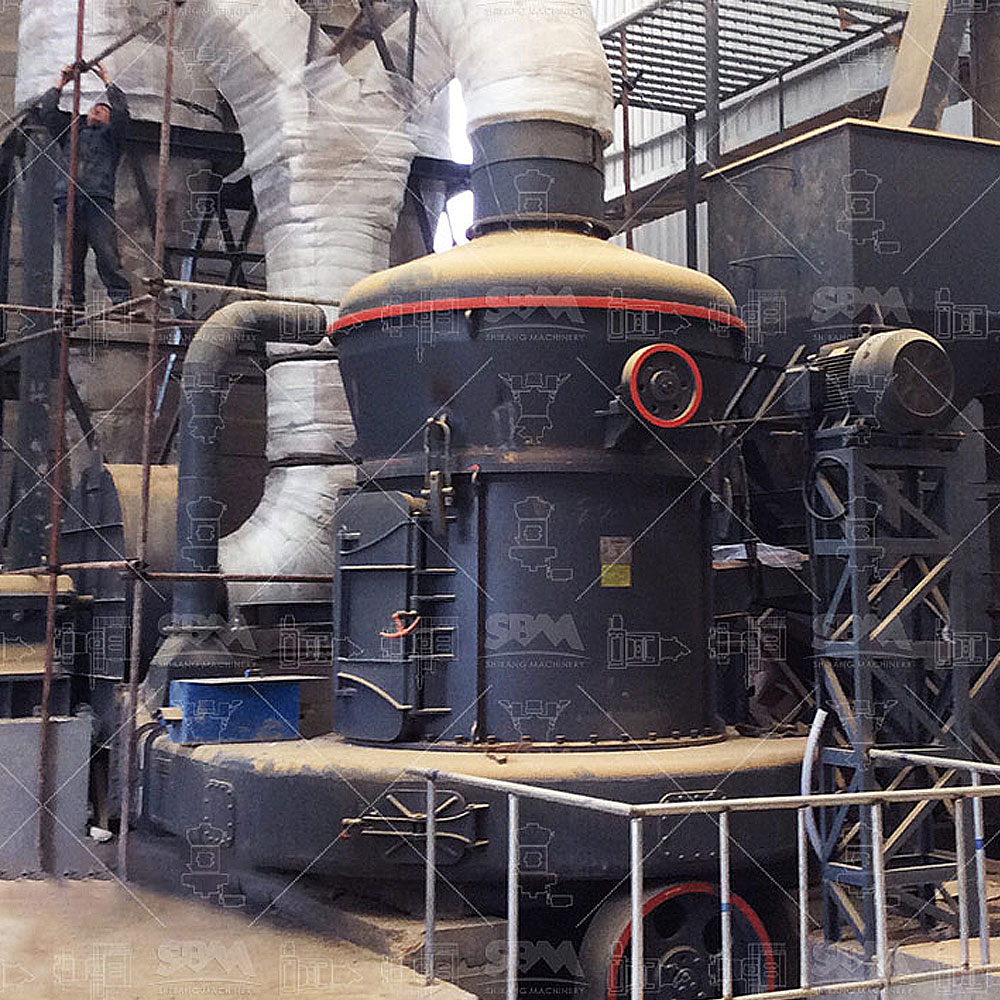
Lubrication is the lifeblood of any heavy machinery. SBM mills incorporate advanced systems like the inner oil absorption lubrication in the MTW series and specialized bearing assemblies in vertical mills. Follow the manufacturer's lubrication schedule meticulously, using only the recommended grade of oil or grease. Over-lubrication can be as detrimental as under-lubrication, leading to seal damage and contamination. For the Cone Gear Whole Transmission system in the MTW mill, proper lubrication is critical to maintaining its high transmission efficiency and compact design. Similarly, the integrated gearboxes in vertical mills require consistent care to prevent overheating and failure.
The feeding process demands strict control. Always adhere to the specified Input Size (e.g., 0-50mm for MTW/LM mills, 0-20mm for ultrafine mills). Introducing oversize or tramp metal can cause severe damage to internal components, blockages, and sudden spikes in motor amperage. Feed material should be consistent in size and hardness where possible, and the feed rate must be regulated to match the mill's capacity (e.g., 3-40tph for MTW, 10-70tph for LUM). Overfeeding can overload the motor and classifier, while underfeeding leads to inefficient grinding and increased wear from metal-to-metal contact in some designs. Utilize the automated control systems available in models like the LM Vertical Mill and LUM Ultrafine Mill, which allow for stable feed rate control and adjustment of grinding pressure.
Monitoring operational parameters in real-time is key to proactive maintenance. Continuously observe the main motor current, bearing temperatures, and system pressure (for hydraulic systems). Abnormal sounds—such as metallic scraping, persistent knocking, or uneven grinding noise—are immediate indicators of a problem requiring shutdown and investigation. For ultrafine grinding equipment like the SCM Ultrafine Mill and LUM Ultrafine Vertical Mill, which target fineness up to 4000 mesh, also closely monitor the classifier speed and the differential pressure across the grinding chamber. The intelligent control systems in these mills provide feedback for fast product fineness conversion, but operator vigilance ensures stability.
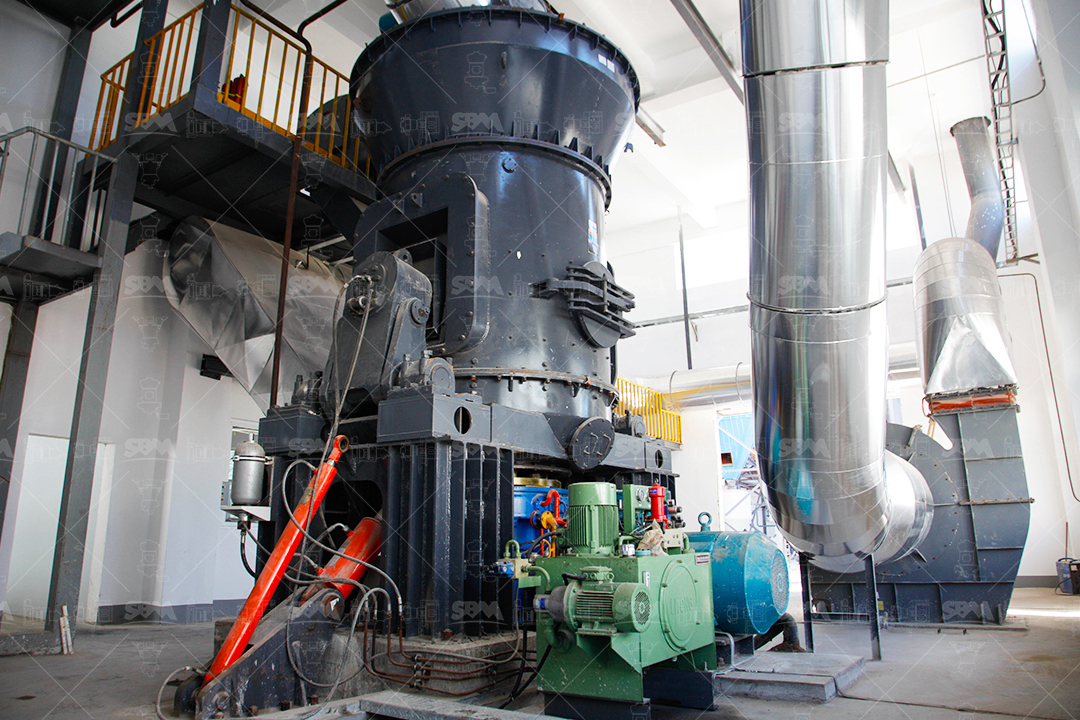
Dust control and system sealing are critical for both safety and environmental compliance. SBM mills are designed with high environmental standards, such as wholly sealed systems operating under negative pressure. Regularly inspect bag filters, pulse dust collectors, and ductwork for leaks or damage. Ensure the efficient double powder collecting method in the SCM mill or the sealed volute in the MTW mill is functioning correctly to prevent dust spillover. This not only protects the work environment but also maintains the system's aerodynamic efficiency, crucial for material transportation and separation inside the mill.
A proper shutdown sequence is as important as startup. First, stop the feed conveyor and allow the mill to run empty for several minutes to clear most of the processed material from the grinding chamber. This prevents material hardening or setting during idle periods, which could cause difficult start-ups or damage. Then, shut down the main mill motor, followed by the classifier, fan, and auxiliary systems. After a complete stop, conduct a brief post-operation inspection and note any observations for the next maintenance schedule. Always lock out and tag out the power source before performing any internal inspection or maintenance.
Frequently Asked Questions (FAQs)
Q1: We experience frequent blockage in the grinding chamber. What could be the main causes?
A1: Blockages often stem from incorrect feed material size (exceeding the max input size), excessive moisture content (especially in mills without strong drying functions), or an over-feed rate that exceeds the mill's grinding and discharge capacity. Ensure material pre-screening and control the feed rate consistently.
Q2: The fineness of our final product is inconsistent. How can we stabilize it?
A2: Inconsistent fineness is commonly linked to fluctuating feed rates, variations in raw material hardness, or issues with the classifier. For SBM mills with advanced classifiers (like in LUM or SCM models), ensure the classifier speed is correctly set and stable. Utilize the automated control systems to maintain constant grinding pressure and feed flow.
Q3: The wear rate of our grinding rollers/balls seems excessively high. How can we reduce it?
A3: High wear can be due to abrasive materials, improper material feed (causing metal-to-metal contact), or incorrect operational parameters. Leverage SBM's wear-resistant designs, such as special material rollers/rings and the curved shovel blade in MTW mills. Ensure the mill operates at optimal load—neither underfed nor overloaded.
Q4: Our system's energy consumption is higher than expected. What operational factors should we check?
A4: High energy use can result from grinding finer than necessary, an inefficient feed size (too coarse), poor ventilation causing high system pressure drop, or mechanical issues like inadequate lubrication or misalignment. Optimize the target fineness and ensure the grinding elements are in good condition.
Q5: We notice dust leakage around the mill. What are the immediate steps to address this?
A5: Dust leakage compromises safety and efficiency. Immediately check the integrity of all inspection doors, seals, and duct connections. Inspect the bag filter or dust collector for bag breaks or malfunctions. Remember, SBM mills are designed to operate under negative pressure; a leak indicates a breach in sealing or an issue with the exhaust fan.


