

Investment for a gcc processing plant
Published: October 26, 2023
Investing in a Ground Calcium Carbonate (GCC) processing plant is a significant strategic decision that hinges on selecting the right grinding technology to ensure long-term profitability, product quality, and operational efficiency. This article explores the critical considerations for such an investment, focusing on how advanced milling solutions from SBM Machinery—including the MTW European Trapezium Mill, LM Vertical Roller Mill, and LUM Ultrafine Vertical Mill—address core industry challenges such as energy consumption, maintenance costs, product fineness control, and environmental compliance. By analyzing technical advantages and application-specific benefits, we provide a framework for making an informed capital investment that aligns with both production goals and sustainability mandates.
The GCC industry serves as a backbone for numerous sectors, including plastics, paints, coatings, paper, and construction materials. The quality, consistency, and fineness of the final powder directly influence the performance of the end product. Therefore, the heart of any GCC plant—the grinding mill—must be chosen not merely as a piece of machinery but as the core of a holistic processing system. A common pain point for investors is the high total cost of ownership, which extends beyond the initial purchase price to encompass energy bills, spare part replacement frequency, downtime for maintenance, and the ability to meet evolving market specifications for ultra-fine powders.
_1768202298547.jpg) SBM Machinery, with its global footprint serving over 180 countries, approaches this challenge by offering total solution packages. The philosophy is to integrate the mill seamlessly into the entire mineral processing workflow, from raw material intake to finished product packaging. This systems-level thinking is crucial for optimizing footprint, material flow, and automation potential. For instance, the LM Vertical Roller Mill exemplifies this integrated approach. Its design consolidates crushing, drying, grinding, and classification into a single unit, reducing the plant's floor space by approximately 50% compared to traditional ball mill systems. This compact layout not only lowers civil construction costs but also simplifies material handling and reduces points of potential dust emission.
SBM Machinery, with its global footprint serving over 180 countries, approaches this challenge by offering total solution packages. The philosophy is to integrate the mill seamlessly into the entire mineral processing workflow, from raw material intake to finished product packaging. This systems-level thinking is crucial for optimizing footprint, material flow, and automation potential. For instance, the LM Vertical Roller Mill exemplifies this integrated approach. Its design consolidates crushing, drying, grinding, and classification into a single unit, reducing the plant's floor space by approximately 50% compared to traditional ball mill systems. This compact layout not only lowers civil construction costs but also simplifies material handling and reduces points of potential dust emission.
Operational efficiency is the most significant determinant of long-term viability. Here, technological innovation directly tackles client pain points. The MTW European Trapezium Mill incorporates a Cone Gear Whole Transmission system, which enhances mechanical efficiency, saves space, and reduces power loss. Its unique curved shovel blade design and inner oil absorption lubrication system are engineered specifically to reduce wear on grinding rollers and rings. This translates directly into extended service intervals, lower spare parts consumption, and reduced operating costs—a direct answer to the perennial issue of high maintenance expenses in grinding operations.
For producers targeting the high-value-added markets requiring ultra-fine GCC (above 2500 mesh), the selection of grinding technology becomes even more critical. General Raymond mills often fall short in this regard. SBM's LUM Ultrafine Vertical Mill and SCM Ultrafine Mill are designed to bridge this gap. The LUM model, integrating advanced grinding roller and German powder separation technology, allows for precise customization of product fineness with high energy efficiency. Its intelligent PLC/DCS control system automatically manages grinding pressure and classifier speed, ensuring consistent product quality and freeing operators from constant manual adjustments. This level of automation is a powerful tool for mitigating the pain point of product inconsistency and high labor costs for skilled technicians.
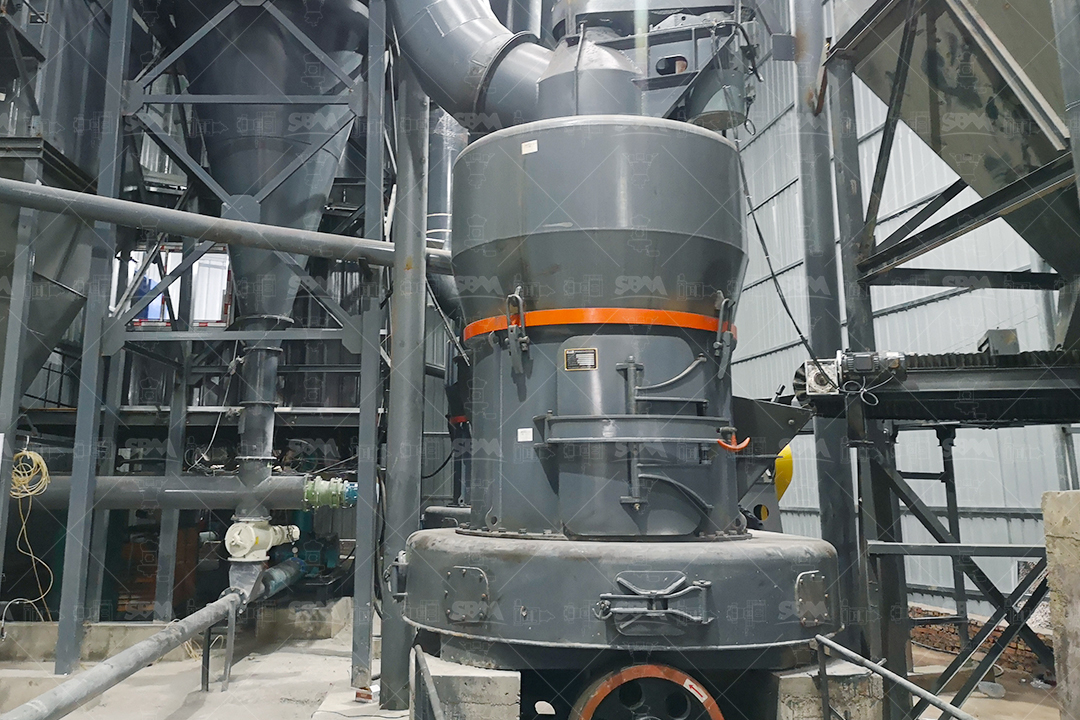 Environmental and social governance (ESG) compliance is no longer optional. Modern GCC plants must operate with minimal noise, dust, and energy footprint. SBM's equipment range is designed with this imperative at its core. The wholly sealed systems operating under negative pressure in both the LM and LUM mills effectively prevent dust spillover. Furthermore, optimized sound insulation and efficient pulse dust collectors ensure that noise and emission levels not only meet but often exceed stringent international standards. This proactive environmental design protects the workforce, maintains community relations, and avoids costly regulatory penalties.
Finally, the choice between different mill types—Vertical Roller Mill vs. Trapezium Mill vs. Ultrafine Mill—should be driven by specific project parameters: desired output (3-400 TPH), target fineness (30-4000 mesh), raw material characteristics, and available space. SBM's role as a total solution provider is to conduct a thorough analysis of these factors, often leveraging experience from thousands of global installations, to recommend the optimal configuration. Whether it's the high-capacity drying and grinding of the LM series for standard GCC or the precision ultra-fine grinding of the LUM series for specialty applications, the investment is safeguarded by equipment built for reliability, efficiency, and future adaptability.
Frequently Asked Questions (FAQs)
- What are the most common operational cost drivers in a GCC plant, and how can they be minimized?
The primary drivers are energy consumption and wear part replacement. Selecting mills with high grinding efficiency (like Vertical Roller Mills that save 30-40% energy vs. ball mills) and designs that reduce direct wear (like the MTW Mill's curved shovel blades and special material rollers) can dramatically lower these ongoing costs. - We need to produce GCC in a wide range of fineness for different customers. Can one mill handle this variability?
Yes, modern mills like the LUM Ultrafine Vertical Mill and SCM Ultrafine Mill offer wide and adjustable fineness ranges (e.g., 325-4000 mesh) through advanced classifier technology and frequency-conversion control, allowing flexible production from coarse to ultra-fine powders within a single system. - How significant is plant footprint, and can equipment be installed outdoors?
Footprint directly impacts construction costs. Integrated vertical mills have a compact layout, saving ~50% space. Many SBM mills are designed for outdoor installation with proper sealing, further reducing building requirements and investment. - Dust control is a major concern for worker safety and environmental permits. How is this addressed?
Key solutions include wholly sealed grinding systems operating under negative pressure (preventing dust escape), efficient pulse dust collectors, and double powder collection methods. These features ensure emissions meet strict national and international standards. - Is skilled labor readily available to operate and maintain advanced grinding mills?
This is a common challenge. SBM addresses it through advanced automatic control systems (PLC/DCS) that enable easy local/remote operation, expert system automation for stable operation, and designs that simplify maintenance (e.g., replaceable shovel blades only), reducing dependency on highly specialized labor.


