

Handling dust pollution in powder plants
Published on: October 26, 2023
Dust pollution remains a critical challenge in powder processing plants, impacting operational efficiency, worker safety, environmental compliance, and equipment longevity. Effectively managing this issue requires a holistic approach that combines advanced engineering, intelligent system design, and purpose-built equipment. Modern grinding solutions are now engineered not only for superior particle size reduction but also with integrated environmental controls that minimize dust generation at the source, contain emissions throughout the process, and ensure final exhaust meets stringent international standards. This article explores the primary sources of dust in milling operations, the associated operational and regulatory pain points, and how next-generation grinding technologies provide a seamless, closed-loop solution for cleaner, safer, and more profitable production.
The genesis of dust in a grinding plant is multifaceted. It begins with material handling—during feeding, conveying, and initial crushing—and permeates the entire milling and classification circuit. Traditional open-circuit systems or equipment with poor sealing are significant contributors. Beyond the visible environmental and health hazards, uncontrolled dust leads to substantial product loss, increasing raw material costs and reducing overall yield. It accelerates the wear of mechanical components, such as bearings and gears, leading to unplanned downtime and higher maintenance expenses. Perhaps most pressingly, regulatory bodies worldwide are imposing stricter limits on particulate emissions, making non-compliance a serious financial and operational risk.
Addressing these challenges demands a shift from treating dust as an end-of-pipe problem to designing it out of the process from the beginning. The core philosophy is containment and control. This starts with the mill itself. Advanced grinding mills are now designed as fully sealed systems operating under negative pressure. This fundamental design principle ensures that any potential dust is drawn into the processing stream rather than escaping into the plant environment. For instance, modern vertical roller mills and European-style trapezium mills incorporate robust sealing at all material transfer points and utilize the mill's own air flow as a primary containment mechanism.
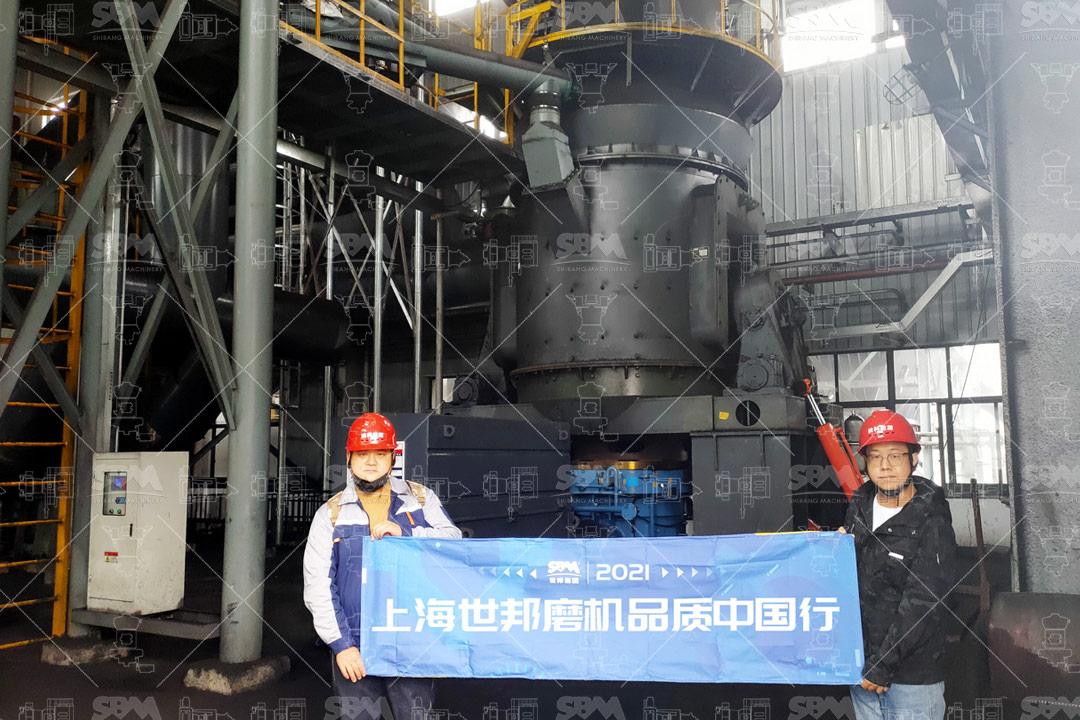
The internal design of the grinding chamber plays an equally vital role. Features like optimized air duct design are not merely for efficiency; they are critical for dust management. An unobstructed, wear-resistant volute or a carefully engineered arc air duct ensures smooth, laminar airflow that carries fine particles effectively to the collection system without turbulence that can cause settling or leakage. Furthermore, the precision of the grinding action itself influences dust creation. Equipment that produces a more uniform particle size distribution with less over-grinding generates fewer problematic ultra-fines that are most susceptible to becoming airborne.
Once the material is ground, the separation and collection phase is paramount. Integrated, high-efficiency powder classifiers and separators ensure that only product meeting the target fineness proceeds to collection, while coarse material is efficiently returned for further grinding. This closed-loop internal classification minimizes the recirculation of fine dust within the system. The final line of defense is the dust collection system. Contemporary mills are paired with high-performance baghouse filters or pulse jet dust collectors. These systems employ advanced filtering media and automated cleaning cycles to achieve collection efficiencies exceeding 99.9%, ensuring that the exhaust air is cleaner than the ambient intake in many industrial areas. The double powder collecting method, combining primary cyclones with secondary bag filters, exemplifies this multi-stage approach to guarantee emissions are far below national and international thresholds.
Operational intelligence adds another layer of protection. Automated control systems (PLC/DCS) continuously monitor key parameters like grinding pressure, internal temperature, and differential pressure across filters. They can automatically adjust operations to maintain optimal, dust-minimizing conditions and provide early warnings for maintenance needs, such as filter bag replacement or seal inspection. This predictive capability prevents minor issues from escalating into major dust events. Moreover, the structural design of modern grinding systems contributes to a cleaner plant. Compact layouts with integrated functions (drying, grinding, separating) reduce the number of transfer points—potential dust leak sources—while features like optimized sound insulation rooms also act as secondary physical barriers.
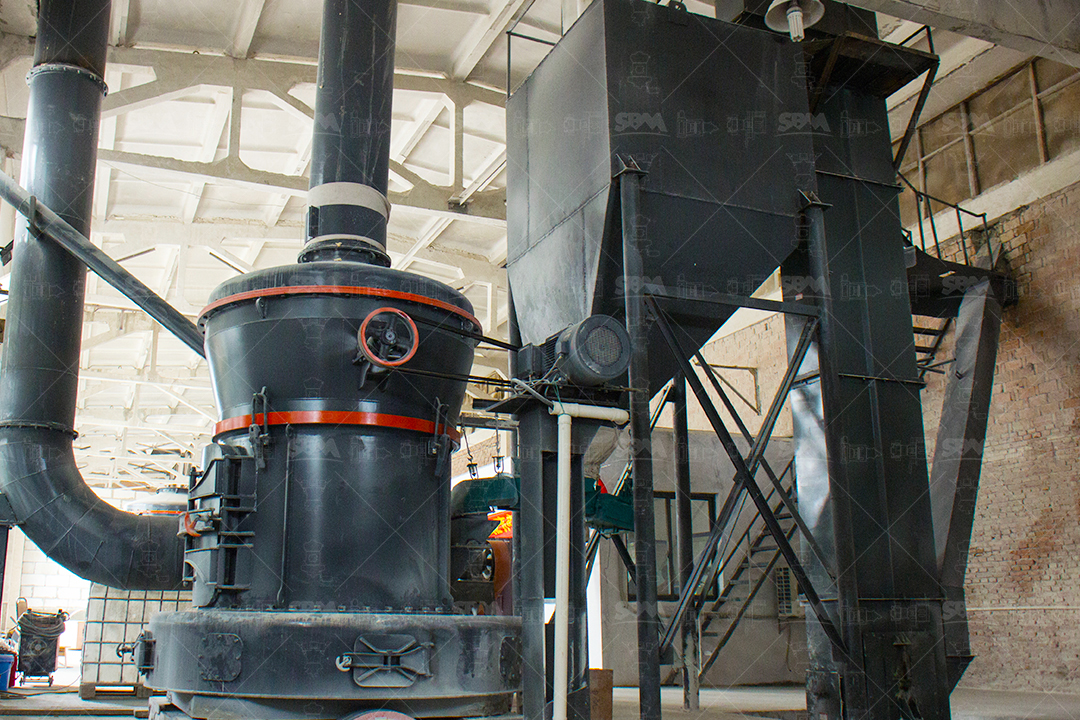
In practice, selecting the right grinding technology is dictated by the application. For high-volume processing of materials like limestone for desulfurization or slag for micro-powder, large-capacity Vertical Roller Mills or European Trapezium Mills offer the ideal balance of high output, energy efficiency, and inherent dust control through their system design. For ultra-fine grinding applications in chemicals or advanced materials where fineness reaches 2500 mesh or beyond, specialized Ultrafine Mills and Ultrafine Vertical Mills incorporate precision classification and highly sealed grinding chambers to manage the exceptionally fine powders produced. Even traditional technologies like Ball Mills have been re-engineered with improved sealing and can be effectively incorporated into closed-circuit systems with external dust collectors.
Ultimately, conquering dust pollution is not about adding on more equipment but investing in smarter, integrated technology. The future of sustainable powder processing lies in systems that are designed for environmental stewardship from the ground up. By prioritizing sealed operation, intelligent airflow management, and high-efficiency collection, modern grinding solutions transform dust management from a persistent cost center into a seamless component of efficient, compliant, and responsible production. This proactive approach safeguards worker health, protects community relations, ensures regulatory compliance, and preserves the economic value of every micron of product.
Frequently Asked Questions (FAQs)
Q1: Our plant frequently fails environmental inspections due to visible dust emissions around the mill. Is this a sealing problem or a collection system problem?
A: It's often both, stemming from a system-level issue. Visible dust around the mill typically indicates a breakdown in the negative pressure envelope, often due to worn seals, improper maintenance hatches, or an imbalance between the mill's fan and the dust collector's suction. A holistic audit of the entire air flow circuit, from feed inlet to exhaust stack, is needed to identify and rectify all leakage points and restore proper system pressure.
Q2: We experience high wear rates on our grinding rolls/rings, which seems to correlate with increased dust problems. Are these issues connected?
A: Absolutely. Excessive wear alters the grinding geometry, leading to inefficient pulverization and increased production of unwanted fine dust. Furthermore, worn components can compromise the sealing integrity of the grinding chamber. Investing in mills with wear-proof designs, like combined-type shovel blades or rollers made from special materials, reduces wear rates, maintains consistent product quality, and helps sustain the sealed environment crucial for dust control.
Q3: For ultra-fine grinding (below 10μm), dust becomes extremely difficult to control. Can standard solutions handle this?
A> Standard dust collectors often struggle with cohesive, sub-micron powders. For ultra-fine applications, specialized mills with integrated, high-precision classification and multi-stage collection systems are essential. Technologies like ultrafine vertical mills employ advanced turbine classifiers and efficient double powder collection methods (e.g., cyclone + pulse bag filter) specifically designed to capture and handle these challenging fine particles, ensuring high recovery and near-zero emission.
Q4: Our energy costs are soaring, and we suspect our old dust collection system is a major contributor. How can new technology help?
A: Traditional systems can be energy hogs. Modern, integrated mill systems are designed for overall energy efficiency. Features like internal classification reduce the load on external collectors, and advanced pulse-jet baghouses with low-pressure differential designs minimize fan power consumption. The key is viewing the mill and collector as one optimized system, not two separate units.
Q5: We need to upgrade for dust control but cannot afford prolonged downtime. What are the implementation options?
A> Solutions range from retrofitting existing equipment with enhanced sealing kits and modern PLC controls to a phased replacement with new, pre-optimized grinding units. Many modern mills are designed for modular installation and quicker commissioning. A detailed feasibility study can outline a step-by-step plan that prioritizes critical dust leak points first, allowing for compliance and efficiency gains with minimal disruption to production.


