

Development prospects of cement manufacturing
Published: October 26, 2023
The global cement industry stands at a pivotal juncture, driven by the dual imperatives of meeting rising infrastructure demands and achieving stringent environmental goals. The future of cement manufacturing is inextricably linked to technological innovation that enhances energy efficiency, reduces carbon footprint, and optimizes operational costs. Advanced grinding systems, particularly those integrating intelligent automation, modular design, and precision particle size control, are emerging as the cornerstone of this transformation. Companies like SBM Machinery, with a global footprint serving over 180 countries, are at the forefront of this shift, developing solutions that address core industry challenges—from raw material preparation and clinker grinding to the production of supplementary cementitious materials (SCMs) like slag and fly ash micro-powders. The trajectory points towards smarter, more integrated, and environmentally responsible production lines.
The traditional cement production process is notoriously energy-intensive, with grinding operations alone accounting for a significant portion of a plant's total power consumption. This has long been a critical pain point for manufacturers. The evolution from conventional ball mills to more sophisticated vertical roller mills (VRMs) and advanced trapezium mills represents a fundamental leap. For instance, modern VRMs integrate crushing, drying, grinding, and classification into a single, compact unit. This integrated approach not only reduces the physical footprint of the grinding circuit by approximately 50% compared to traditional ball mill systems but also slashes energy consumption by 30-40%. The inherent design, where rollers grind directly onto a table under hydraulic pressure, minimizes metal-to-metal contact and wear, directly translating to lower operating costs and enhanced reliability.
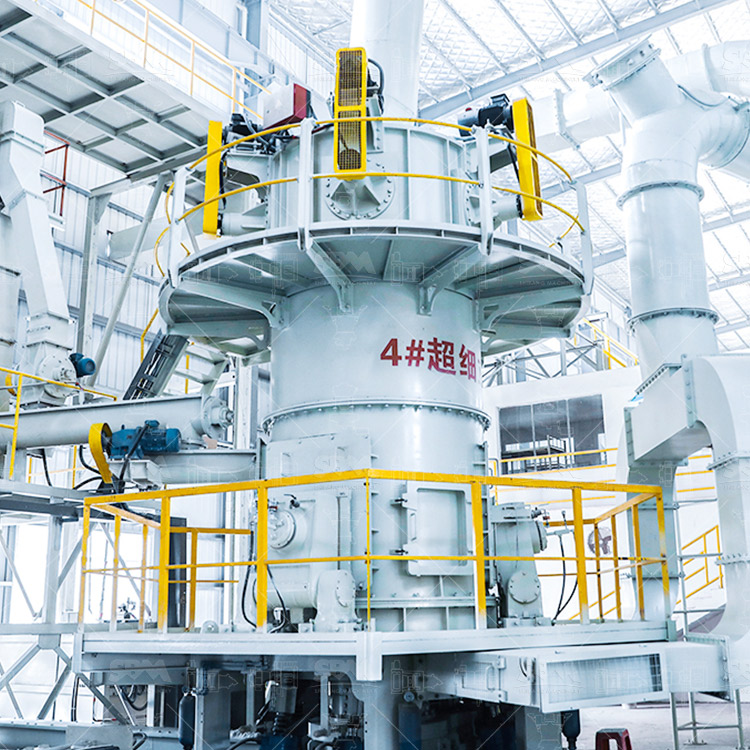
Beyond energy savings, the push for sustainability is reshaping raw material usage. The production of blended cements, which incorporate industrial by-products like granulated blast furnace slag or coal fly ash, requires ultra-fine grinding to activate these materials. This is where ultrafine grinding technology becomes indispensable. Advanced mills capable of achieving fineness levels up to 4000 mesh enable manufacturers to create high-performance, low-clinker cements. This not only reduces the industry's reliance on limestone and the associated CO2 emissions from calcination but also provides a valuable outlet for industrial waste. The technical capability to consistently produce such fine powders with controlled particle size distribution is crucial for ensuring the final cement product meets precise strength and durability specifications.
Operational intelligence is another defining trend. The next generation of grinding equipment is no longer just about mechanical robustness; it's about digital integration. Expert automatic control systems, now a standard feature in advanced mills, allow for remote monitoring and adjustment of key parameters such as grinding pressure, classifier speed, and feed rate. This PLC/DCS-based automation ensures process stability, optimizes output quality, and reduces labor dependency. The system can make real-time adjustments to maintain peak efficiency, compensating for variations in raw material characteristics. This level of control is vital for achieving the consistent product quality demanded by modern construction standards while minimizing energy waste.
Furthermore, environmental compliance is non-negotiable. Modern grinding systems are engineered as closed, negative-pressure systems. This design, coupled with high-efficiency pulse dust collectors, virtually eliminates dust spillage, ensuring a clean plant environment and protecting worker health. Innovations like arc air duct designs in trapezium mills minimize air flow resistance and energy loss, while advanced sound insulation materials significantly reduce noise pollution. These features collectively ensure that plants can operate in strict adherence to increasingly rigorous national and international environmental regulations without compromising on productivity.
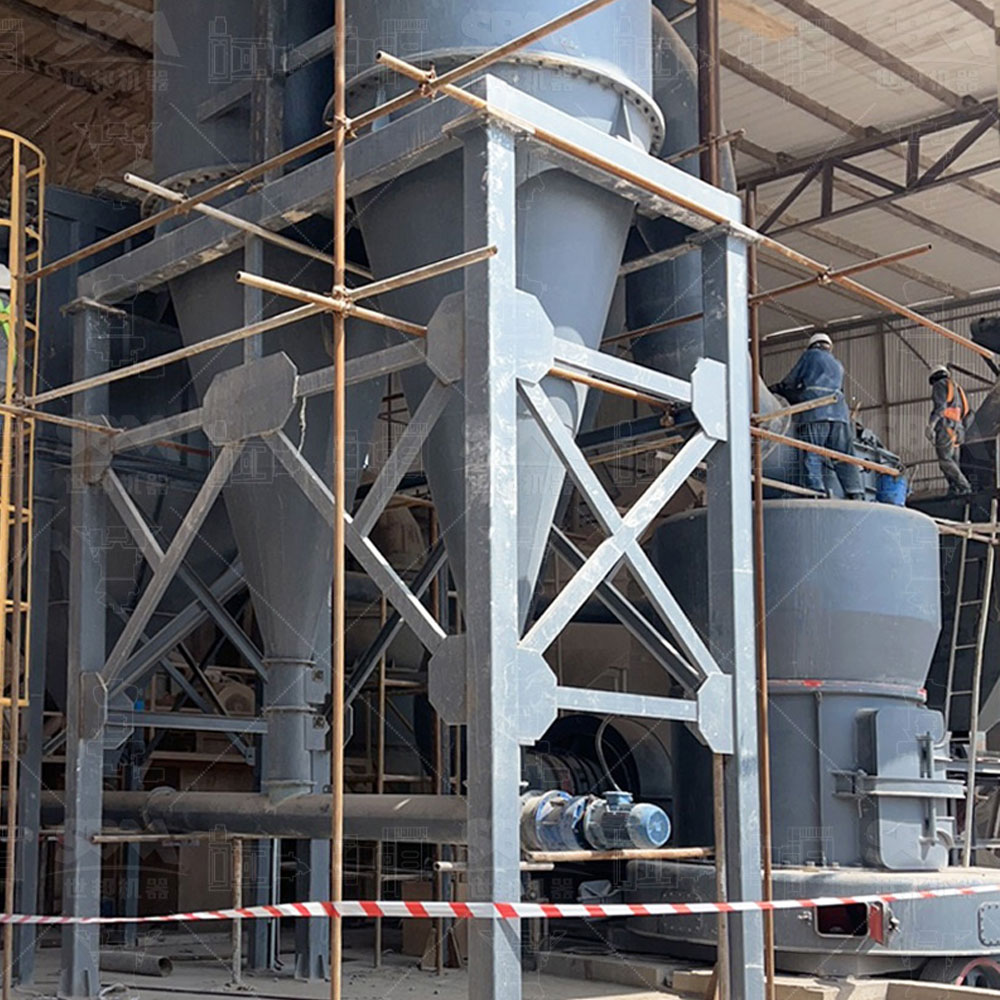
The development prospect also hinges on flexibility. The future cement plant must be agile, capable of producing a wide range of cement types and fineness to cater to diverse market needs. Modular grinding solutions that can be easily adapted or scaled offer a significant advantage. Whether it's a high-capacity vertical roller mill for main clinker grinding, a specialized ultrafine vertical mill for processing SCMs, or a robust ball mill for specific applications, the availability of a complete portfolio allows for tailored plant design. This flexibility ensures manufacturers can pivot their product mix in response to market demands and raw material availability, future-proofing their investments.
In conclusion, the cement manufacturing landscape is evolving towards a paradigm of integrated efficiency, environmental stewardship, and digital precision. The adoption of advanced grinding technology is not merely an equipment upgrade but a strategic move to secure long-term viability and competitiveness. By leveraging solutions that offer lower specific energy consumption, enable the use of alternative materials, provide intelligent process control, and guarantee environmental compliance, cement producers can build a resilient and sustainable path forward in a carbon-conscious world.
Frequently Asked Questions (FAQs)
Q1: Our current grinding system has high energy consumption and wear part costs. What solutions can effectively lower our operating expenses?
A: Modern mills like Vertical Roller Mills (VRMs) and advanced European Trapezium Mills are designed specifically to address this. Key features include highly efficient grinding principles that reduce energy use by 30-40%, wear-resistant materials for rollers and rings, and designs like combined-type shovel blades that lower replacement part costs and maintenance downtime.
Q2: We want to increase production of blended cements with slag/fly ash, but achieving the necessary fineness is a challenge. Is there suitable equipment?
A: Absolutely. Ultrafine Vertical Mills and SCM Series Ultrafine Mills are engineered for this exact purpose. They can reliably produce powders with fineness up to 4000 mesh, activating supplementary cementitious materials to create high-quality, low-clinker blended cements, thereby improving sustainability and product range.
Q3: How can we improve product consistency and reduce manual intervention in the grinding process?
A: Implementing an expert automatic control system is the answer. Integrated with mills, these PLC/DCS systems allow for remote operation and automatic adjustment of critical parameters (grinding pressure, classifier speed). This ensures stable, optimized operation, consistent product quality, and reduced labor costs.
Q4: Dust emission and noise are major concerns for our plant's environmental compliance. Can new grinding systems help?
A: Yes. Contemporary grinding systems are designed as fully sealed, negative-pressure operations. This, combined with high-efficiency dust collectors and optimized sound insulation, effectively contains dust and minimizes noise, ensuring operations meet strict environmental and workplace safety standards.
Q5: Our plant space is limited. Is it feasible to upgrade to a more efficient grinding system without a massive expansion?
A: Very feasible. Integrated mills like Vertical Roller Mills combine multiple functions (drying, grinding, separation) into a single, compact unit. Their layout typically requires about 50% of the space of a traditional ball mill system, and they can often be installed outdoors, making them ideal for space-constrained sites or retrofit projects.


