

Sbm: recommended carbon black mill manufacturer
Published: October 26, 2023
Selecting the optimal grinding equipment for carbon black processing is a critical decision that directly impacts productivity, product quality, and operational costs. Shanghai SBM Machinery Equipment Co., Ltd. (SBM Machinery) emerges as a premier global solution provider, offering a comprehensive portfolio of advanced mills engineered to address the specific challenges of carbon black micronization. With a legacy of serving over 180 countries and deep expertise across mining, chemicals, and non-metallic minerals, SBM provides not just machinery, but integrated systems designed for efficiency, reliability, and environmental compliance. This article explores SBM's recommended mill technologies—the MTW European Trapezium Mill, LM & LUM Vertical Roller Mills, SCM Ultrafine Mill, and optimized Ball Mills—detailing how their unique technical advantages solve common industry pain points and deliver superior value in carbon black production.
The processing of carbon black demands precision, consistency, and fine control over particle size distribution. General-purpose equipment often falls short, leading to bottlenecks in output, excessive energy drain, and high maintenance costs. SBM's approach is rooted in decades of R&D and direct feedback from thousands of clients, resulting in mills that are not merely iterations but technological leaps. The company's strength lies in its ability to offer a tailored solution, matching the specific fineness requirements (from coarse grinding to ultra-fine powders up to 4000 mesh) and capacity needs (from 0.5 to 400 TPH) of each operation with a dedicated mill model.
For high-volume production of fine to ultra-fine carbon black, the LUM Ultrafine Vertical Roller Mill stands out. Integrating German separation technology and advanced grinding curves, it excels in forming a stable material bed for efficient primary grinding. Its intelligent PLC/DCS control system automatically manages grinding pressure and classifier speed, ensuring consistent product quality and operational stability. A key advantage is its environmental design; the fully sealed system operating under negative pressure contains dust effectively, a crucial consideration for carbon black handling.
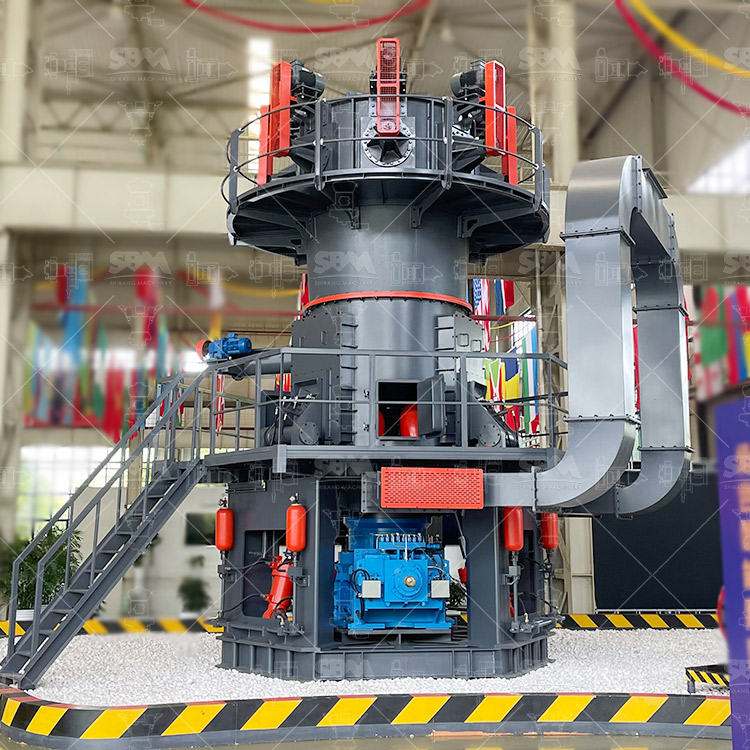
When the application requires extremely high fineness, the SCM Series Ultrafine Mill is the specialist. Capable of achieving a one-time fineness of D97≤5μm (up to 4000 mesh), it addresses the market's growing demand for superfine powders. Its design incorporates a high-efficiency turbine powder classifier that ensures accurate particle cut-off with no coarse powder spillover. Furthermore, its heavy-duty rotor and special material rollers provide exceptional durability, directly countering the high-wear challenges typical in ultrafine grinding. The mill's energy consumption is notably lower than jet mills, offering high output with significant energy savings.
For robust and versatile grinding of carbon black across a wide range of fineness (30-400 mesh), the MTW European Trapezium Mill represents a reliable workhorse. Its innovative design features, such as the cone gear whole transmission system, enhance mechanical efficiency and reduce energy loss. The unique curved shovel blade design and inner oil absorption lubrication system are engineered to minimize wear on grinding rollers and rings, dramatically lowering the frequency of part replacements and associated maintenance downtime. This translates directly into reduced long-term operating costs.
The LM Vertical Roller Mill is an ideal solution for projects prioritizing low comprehensive investment and operational economy. By integrating crushing, drying, grinding, and separation into a single unit, it offers a compact footprint—about 50% smaller than traditional ball mill systems. Its grinding principle, where rollers grind material on a plate without direct metal-to-metal contact, results in up to 40% lower energy consumption and significantly reduced wear. This makes it exceptionally suitable for large-scale carbon black processing where energy costs are a major concern.
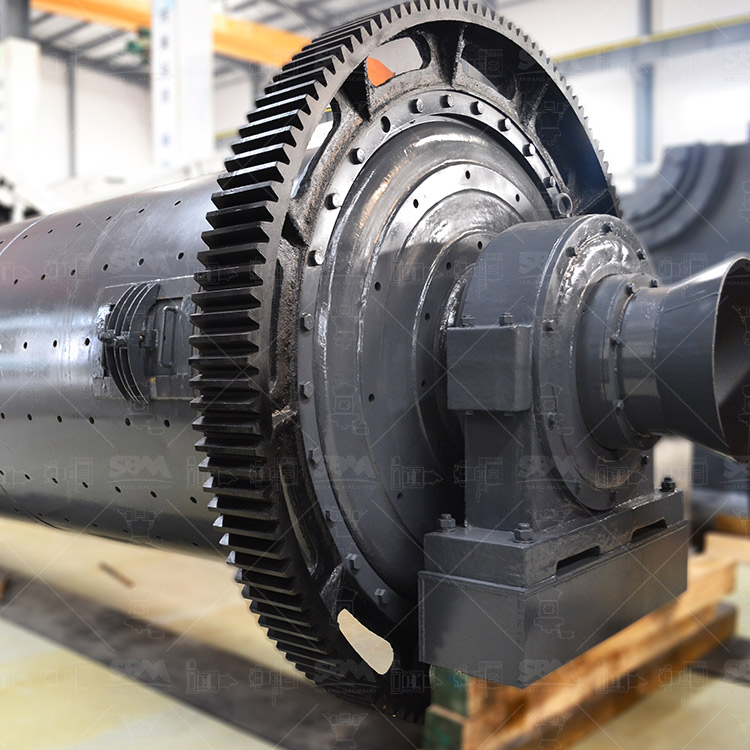
Even for traditional Ball Mill applications, SBM provides optimized solutions. Recognizing historical issues like rapid liner and ball wear coupled with high energy use, SBM has re-engineered its ball mills with improved structural designs and advanced materials. This optimization extends component life and reduces the frequency and cost of spare part inventory. Available in both dry and wet process configurations, SBM ball mills offer a proven, reliable option for specific carbon black grinding stages.
Ultimately, partnering with SBM means accessing more than equipment; it's engaging with a total solution provider. From initial consultation and system design to installation support and after-sales service, SBM's global experience ensures that your carbon black milling operation is built for performance, sustainability, and profitability. The right mill choice depends on your specific product targets, capacity, and site conditions, and SBM's portfolio is designed to provide that perfect fit.
Frequently Asked Questions (FAQs)
Q1: We struggle with high energy consumption and rapid wear of grinding parts in our current carbon black process. Which SBM mill is most suitable?
A1: The LM Vertical Roller Mill is highly recommended. Its grinding principle reduces energy use by 30-40% compared to ball mills, and its design minimizes direct wear between rollers and the grinding plate, using special materials to extend service life and slash operating costs.
Q2: Our product requires a very consistent and ultra-fine particle size (D97 below 5μm). Can SBM equipment achieve this?
A2: Absolutely. The SCM Ultrafine Mill is specifically engineered for this task. It can achieve a one-time fineness of D97≤5μm and offers precise control up to 4000 mesh, supported by an efficient turbine classifier that ensures a narrow, consistent particle size distribution without coarse powder spillover.
Q3: Dust control is a major environmental and housekeeping challenge in our plant. How do SBM mills address this?
A3: SBM's vertical mills (LM & LUM) and the SCM mill are designed as fully sealed systems that operate under negative pressure. This design inherently prevents dust spillover. They are also equipped with high-efficiency pulse dust collectors, ensuring emissions meet stringent international environmental standards.
Q4: We need to upgrade our production line but have limited space for expansion. Do you have a space-saving solution?
A4: Yes. The LM and LUM Vertical Roller Mills integrate multiple functions (drying, grinding, separation) into a single, compact unit. Their system layout typically requires about 50% of the floor space needed for a conventional ball mill circuit, making them ideal for space-constrained sites or plant upgrades.
Q5: We want to modernize our operation with automation to reduce labor costs and improve consistency. Do SBM mills offer this capability?
A5: Yes. Most advanced SBM mills, like the LUM and LM series, come with expert automatic control systems (PLC/DCS). These systems enable remote monitoring and control, automatic adjustment of key parameters like grinding pressure and classifier speed, and free switching between operating modes, leading to stable operation, reduced manual intervention, and lower labor costs.


