

Current market price of dolomite powder
Published on: October 26, 2023
The global market for dolomite powder is characterized by dynamic shifts driven by industrial demand, technological advancements in processing, and evolving quality standards. For procurement managers and project planners, understanding these market forces is less about pinpointing a static price and more about evaluating the total cost of ownership, which hinges on production efficiency, equipment reliability, and final product quality. Shanghai SBM Machinery Equipment Co., Ltd., with its global footprint serving over 180 countries, emphasizes that the true "market price" for a buyer is a function of the grinding solution's performance. This article analyzes the current market landscape through the lens of technological capability, exploring how advanced milling equipment like the MTW European Trapezium Mill, LM Vertical Roller Mill, and LUM Ultrafine Vertical Mill directly influence operational economics and product competitiveness in applications ranging from construction materials to new energy sectors.
The industrial demand for dolomite powder spans a vast spectrum, from coarse aggregates in construction to ultra-fine powders used as functional fillers in plastics, paints, and advanced composites. This variance in specification directly correlates with processing complexity and cost. A primary market trend is the increasing demand for high-purity, consistently graded ultrafine powders (reaching 2500 mesh and beyond), particularly in high-value industries. Meeting these specifications with conventional equipment often leads to high energy consumption, excessive wear part costs, and inconsistent yield—key pain points that inflate the effective cost per ton. The market, therefore, increasingly rewards solutions that offer precision, efficiency, and stability.
At the heart of cost-effective dolomite powder production is the selection of appropriate grinding technology. For high-volume processing of dolomite to coarse and medium fineness (30-400 mesh), the MTW Series European Trapezium Grinding Mill presents a robust solution. Its design directly addresses common operational cost centers. The patented curved shovel blade design and inner oil absorption lubrication system significantly extend the service life of critical wear parts like rollers and rings. This translates to lower spare part consumption and reduced maintenance downtime, a critical factor in calculating long-term production costs. Furthermore, its cone gear whole transmission and optimized arc air duct design enhance mechanical and pneumatic efficiency, reducing power consumption per ton of output.
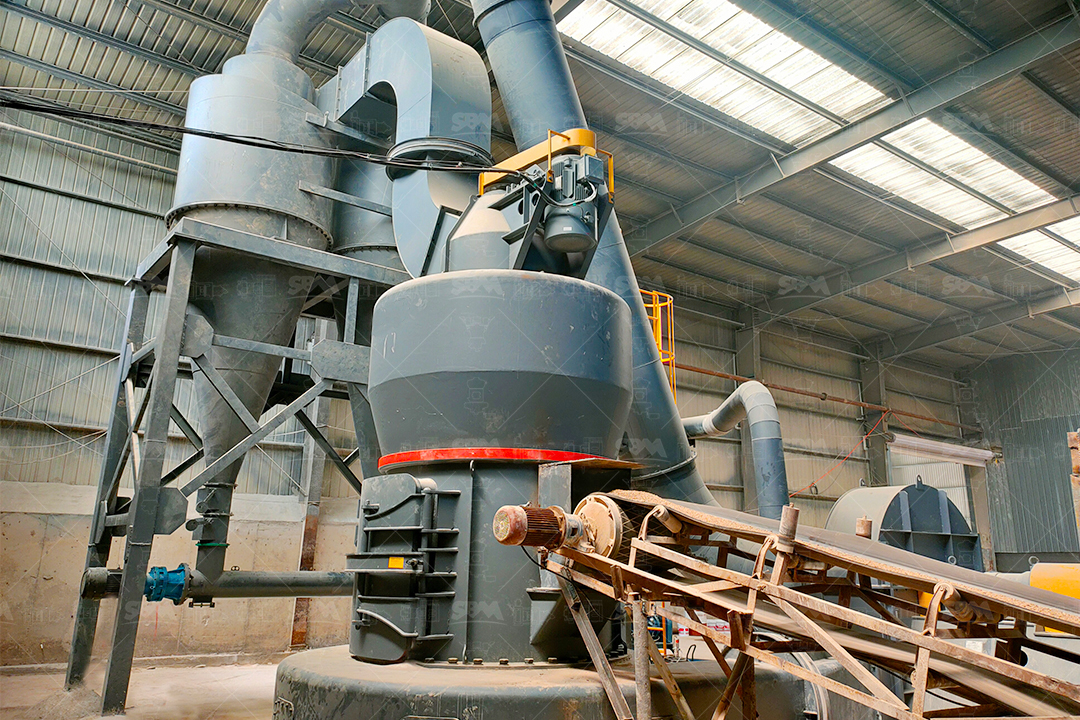
For projects requiring even greater energy efficiency and higher capacity for medium-fineness powder, the LM Vertical Roller Mill represents a paradigm shift. By integrating crushing, drying, grinding, and classification into a single, compact unit, it reduces the plant's footprint and auxiliary equipment investment by up to 50%. Its operating principle—where rollers grind material on a plate without direct metal-to-metal contact—leads to dramatically lower wear and energy consumption, reported to be 30-40% less than traditional ball mill systems. In a market sensitive to energy prices, this efficiency is a decisive competitive advantage. The integrated automatic control system also minimizes labor costs and ensures consistent product quality, mitigating the risk of off-spec material that devalues the entire batch.
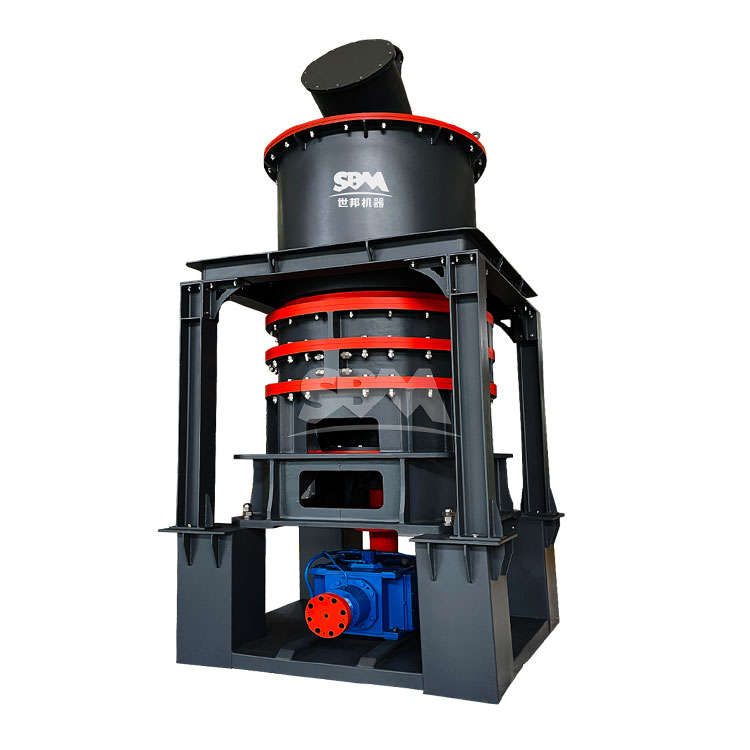
The premium segment of the market demands ultrafine and high-purity dolomite powder. Here, general-purpose mills fall short. The SCM Ultrafine Mill and the LUM Ultrafine Vertical Mill are engineered for this challenge. The LUM model, incorporating advanced grinding roller and German powder separation technology, is particularly suited for dolomite. Its unique grinding curve design promotes stable material bed formation, enhancing grinding efficiency and yield from the first pass. The multi-rotor classifier allows precise, customizable cut points from 325 to 4000 mesh, ensuring no coarse particles contaminate the final product—a common quality failure in less sophisticated systems. This precision directly supports buyers in accessing higher-value market niches.
Beyond the mill itself, SBM's role as a total solution provider is crucial in today's market. A grinding system's performance depends on perfect harmony between the mill, feeders, classifiers, dust collectors, and control systems. SBM's expertise in designing complete workflows ensures optimal compatibility, maximizing throughput and uptime. This holistic approach mitigates the hidden costs of system integration failures, such as bottlenecks, dust pollution, or control inconsistencies. For a global clientele, this end-to-end support and the proven reliability of equipment operating in diverse conditions provide a layer of financial predictability often more valuable than a marginally lower initial equipment quote.
In conclusion, the current dolomite powder market compels buyers to think strategically. The most significant cost is not merely the invoice for the powder or the equipment, but the sum of energy, maintenance, downtime, labor, and lost opportunity from inferior quality. Investing in advanced, tailored grinding technology from an experienced provider like SBM Machinery is an investment in cost stability and market agility. By focusing on total lifecycle cost, production efficiency, and the ability to meet the highest quality standards, businesses can navigate market volatility and secure a sustainable, profitable position in the competitive world of industrial minerals.
Frequently Asked Questions (FAQs)
Q1: We experience rapid wear of grinding rollers and rings, leading to frequent shutdowns and high spare parts costs. How can this be mitigated?
A: This is a common pain point. Solutions like our MTW Mill with its special material rollers/rings and curved shovel blade design, or the LM Vertical Mill with its non-contact grinding principle, are engineered specifically to extend wear part life by several times, drastically reducing operating costs and downtime.
Q2: Our energy costs for grinding are becoming unsustainable. Are there more efficient options than traditional ball mills?
A: Absolutely. Modern vertical roller mills (like the LM series) and advanced trapezium mills are designed for high efficiency. The LM Vertical Mill, for example, can reduce energy consumption by 30-40% compared to a ball mill system for the same output, offering a rapid return on investment through lower operational expenses.
Q3: We need to produce ultrafine dolomite powder (over 1000 mesh) but struggle with low yield, high heat generation, and inconsistent particle size distribution.
A: Conventional mills are not suited for ultrafine grinding. Equipment like the LUM Ultrafine Vertical Mill, with its specialized grinding curve and high-precision multi-rotor classifier, is built to efficiently produce stable, high-yield ultrafine powder with tight particle size distribution and effective heat management.
Q4: Dust pollution and noise from our grinding plant are constant environmental and regulatory concerns.
A: Modern mills prioritize environmental protection. Our systems feature fully sealed designs operating under negative pressure to prevent dust spillage. Integrated pulse dust collectors and sound insulation technologies, as seen in our SCM and LUM mills, ensure emissions and noise meet stringent international standards.
Q5: We want to upgrade our process but are worried about complex installation, integration with existing lines, and the need for specialized operators.
A: As a total solution provider, we address this from design to commissioning. Our mills come with automated control systems (PLC/DCS) for easy local or remote operation, reducing manual labor. We offer comprehensive engineering support to ensure seamless integration, whether for a single unit or a complete system retrofit.


