

Equipment selection for carbon black powder plants
Published: October 26, 2023
Selecting the optimal grinding equipment for a carbon black powder plant is a critical decision that directly impacts operational efficiency, product quality, and long-term profitability. This article provides a professional analysis of key equipment considerations, addressing common industry challenges such as achieving ultra-fine particle sizes, managing high energy consumption, controlling dust emissions, and minimizing maintenance costs. By examining advanced grinding technologies, including European Trapezium Mills, Vertical Roller Mills, Ultrafine Mills, and specialized Ultrafine Vertical Mills, we aim to guide plant managers and engineers toward solutions that ensure high yield, consistent fineness, and sustainable, low-cost operation for carbon black processing.
The carbon black industry demands precision. The material's primary function as a reinforcing agent and pigment requires strict control over particle size distribution, structure, and surface area. Inefficient or unsuitable grinding equipment can lead to inconsistent product quality, excessive energy use, and significant operational downtime. Therefore, the selection process must move beyond basic capacity matching to a holistic evaluation of the entire size reduction workflow, from feed size handling to final product collection and environmental compliance.
A primary pain point for many operators is the trade-off between fineness and throughput. Traditional ball mills, while robust, often struggle with the high energy intensity required for fine grinding and can introduce contamination from media wear. Modern solutions address this by integrating multiple processes. For instance, the LM Vertical Roller Mill integrates crushing, drying, grinding, and classification into a single, compact unit. Its design, where rollers grind material on a plate without direct metal-to-metal contact, significantly reduces wear rates. The energy consumption is notably lower—typically 30% to 40% less than traditional ball milling systems—while its ability to handle moist feed material eliminates the need for a separate dryer, simplifying the plant layout and reducing capital investment.
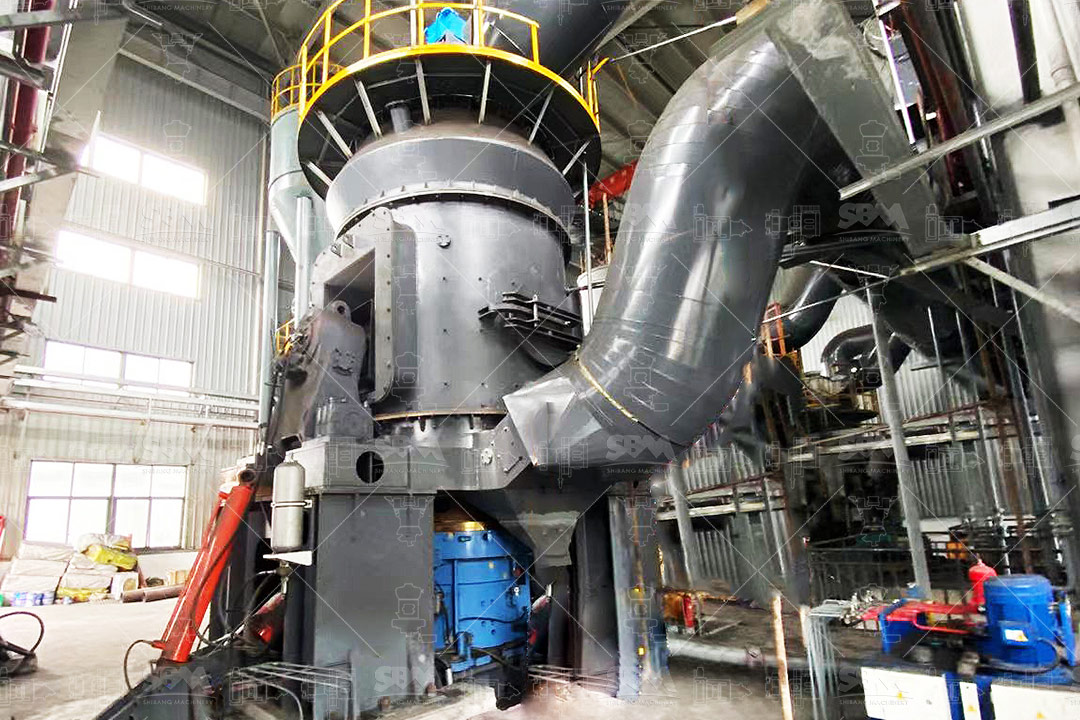
When the target product is specialized, high-value carbon black with ultra-fine specifications (reaching 2500 mesh or D97 ≤5µm), standard mills fall short. Here, dedicated SCM Ultrafine Mills and LUM Ultrafine Vertical Mills come into play. These mills employ advanced classifier technology—such as efficient vertical turbine or multi-rotor classifiers—to ensure precise particle size cuts and prevent coarse powder spillover. The LUM series, integrating German powder separation technology, is particularly effective for achieving a narrow, consistent particle size distribution. Its intelligent PLC control system automatically adjusts grinding pressure and classifier speed, ensuring stable operation and high-quality output even with varying feed characteristics.
Operational cost control is another decisive factor. Beyond energy, maintenance expenses for wearing parts like rollers, rings, and blades can be substantial. The MTW European Trapezium Mill incorporates design innovations specifically for this challenge. Its combined-type, curved shovel blade design allows for the replacement of only the blade segment, not the entire assembly, drastically cutting spare parts costs and downtime. Furthermore, its cone gear whole transmission system is not only more efficient but also more compact and reliable than traditional gearboxes, contributing to lower long-term operating costs.
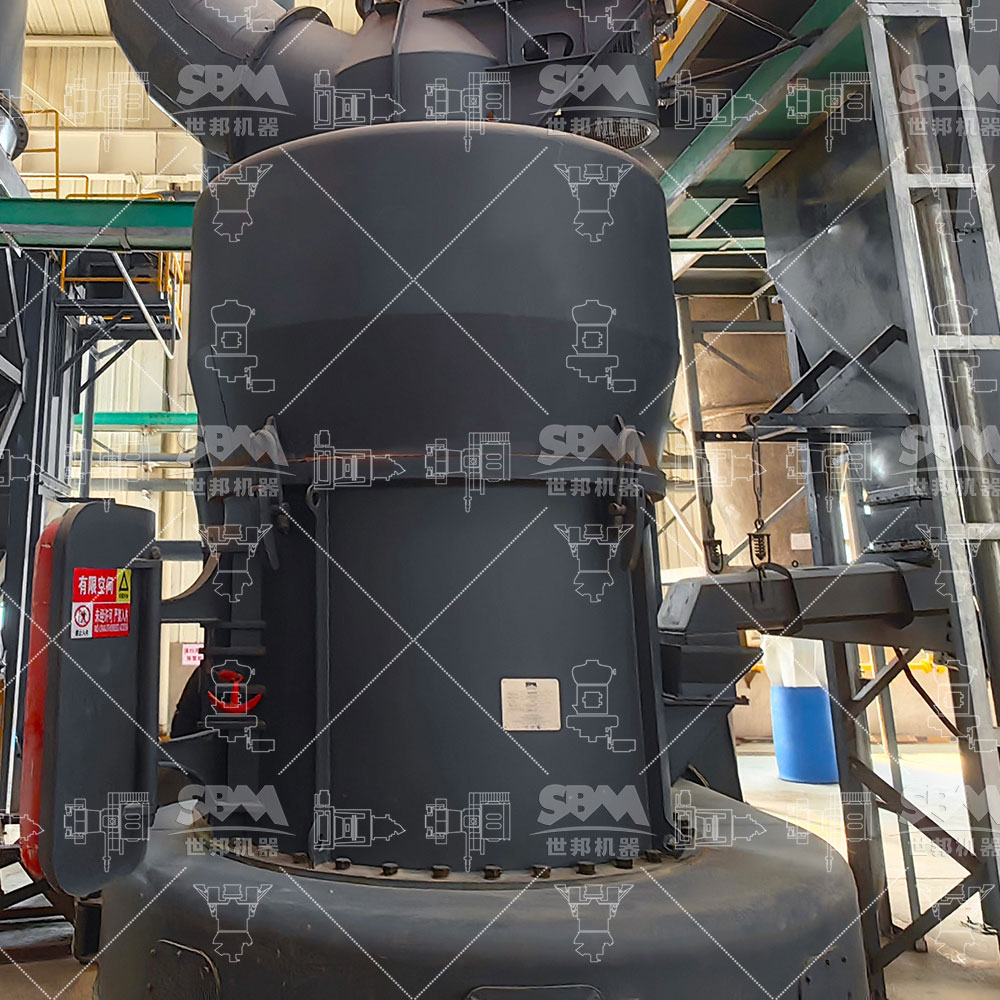
No discussion on modern powder plant equipment is complete without addressing environmental and safety standards. Carbon black is a challenging material to contain. Modern grinding systems are engineered as fully sealed, negative-pressure systems. This design philosophy, evident across SBM's range from Vertical Roller Mills to Ultrafine Mills, ensures no dust spillage during operation. Coupled with high-efficiency pulse dust collectors and sound insulation technology, these mills help plants easily meet stringent national and international environmental regulations regarding emissions and workplace safety, turning a compliance necessity into an operational advantage.
Finally, the move towards automation and smart control is irreversible. Equipment like the LM Vertical Mill and LUM Ultrafine Vertical Mill come equipped with expert automatic control systems. These systems enable remote monitoring and operation, automatic adjustment of key parameters for optimal performance, and predictive maintenance alerts. This not only reduces labor costs but also enhances process stability, product consistency, and provides valuable data for continuous process optimization.
In conclusion, the selection of grinding equipment for a carbon black plant is a strategic investment. The ideal choice balances technical specifications with total cost of ownership, prioritizing energy efficiency, low maintenance, precise classification, and environmental stewardship. By leveraging advanced technologies like integrated vertical grinding, ultra-fine classification systems, and intelligent controls, producers can overcome traditional industry pain points and build a competitive, sustainable, and profitable operation.
Frequently Asked Questions (FAQ)
- Q: We need to produce very fine-grade carbon black (over 1500 mesh) but are concerned about low yield and high energy costs. What is the most efficient solution?
A: For ultra-fine production, specialized equipment like the SCM Ultrafine Mill or LUM Ultrafine Vertical Mill is recommended. They integrate high-precision turbine classifiers and efficient grinding mechanics, achieving D97≤5µm with energy consumption significantly lower than jet mills. Their design ensures high yield from primary grinding, directly addressing the output-efficiency dilemma. - Q: Dust control in our existing plant is a major issue, posing health and environmental risks. How can new equipment help?
A: Modern mills like the LM Vertical Roller Mill and LUM series are designed as fully sealed, negative-pressure systems. This means air is drawn into the mill, preventing any powder from escaping during operation. When paired with a high-efficiency pulse dust collector, dust emission is virtually eliminated, ensuring a clean workshop and compliance with environmental standards. - Q: The frequent replacement of grinding rollers and rings is causing high maintenance costs and downtime. Are there more durable options?
A: Yes. Equipment such as the MTW European Trapezium Mill features wear-resistant materials and innovative designs like the combined-type shovel blade, where only the blade tip needs replacement. Vertical roller mills also minimize direct contact wear. These features can extend the service life of wear parts by several times, drastically reducing maintenance frequency and cost. - Q: Our plant space is limited. Can we find a system that is compact yet capable of high-capacity production?
A: Absolutely. Vertical Roller Mills are ideal for space-constrained sites. They integrate multiple functions (drying, grinding, separation) into a single unit, with a footprint approximately 50% smaller than a traditional ball mill system. Their vertical structure also allows for outdoor installation, freeing up valuable indoor space. - Q: We want to reduce manual operation and improve process consistency. Do you offer automated solutions?
A: Advanced grinding systems now come with integrated PLC/DCS automatic control systems. These systems allow for remote operation, automatic adjustment of grinding pressure, classifier speed, and feed rate based on real-time conditions. This ensures stable operation, consistent product quality, and reduces reliance on manual labor and expertise.


