

Titanium dioxide uses and production equipment
Published on: October 26, 2023
Titanium dioxide (TiO2) is a cornerstone industrial pigment and functional material, prized for its exceptional brightness, high refractive index, and strong UV absorption. Its primary applications span paints and coatings, plastics, paper, cosmetics, and increasingly, advanced sectors like photocatalysis and new energy materials. The production of high-quality TiO2 powder, whether via the sulfate or chloride process, hinges on efficient, reliable, and precise size-reduction and classification equipment. This article explores the critical role of advanced grinding systems in TiO2 manufacturing, highlighting how modern milling technology addresses core production challenges such as energy consumption, product fineness control, and operational costs, with a focus on solutions provided by industry-leading equipment suppliers.
The journey from raw titanium feedstock to the brilliant white TiO2 powder involves several grinding and processing stages. Initially, coarse crushing prepares the material, but the defining step is the fine and ultrafine grinding that achieves the target particle size distribution (PSD). This PSD directly influences key product properties like opacity, dispersibility, and gloss. Therefore, selecting the right milling equipment is not merely an operational decision but a strategic one impacting final product quality and market competitiveness.
For general TiO2 powder preparation within the 30-400 mesh range, robust and efficient mills like the MTW Series European Trapezium Grinding Mill are highly effective. This mill incorporates advanced design features crucial for consistent production. Its cone gear whole transmission ensures stable, high-efficiency power delivery with minimal energy loss. The unique curved shovel blade design and inner oil absorption lubrication system significantly reduce wear on grinding rollers and rings, directly lowering the frequency of spare parts replacement and associated maintenance downtime—a major operational pain point. Furthermore, its optimized arc air flue design ensures smooth material flow and efficient air conveyance, contributing to stable system operation.
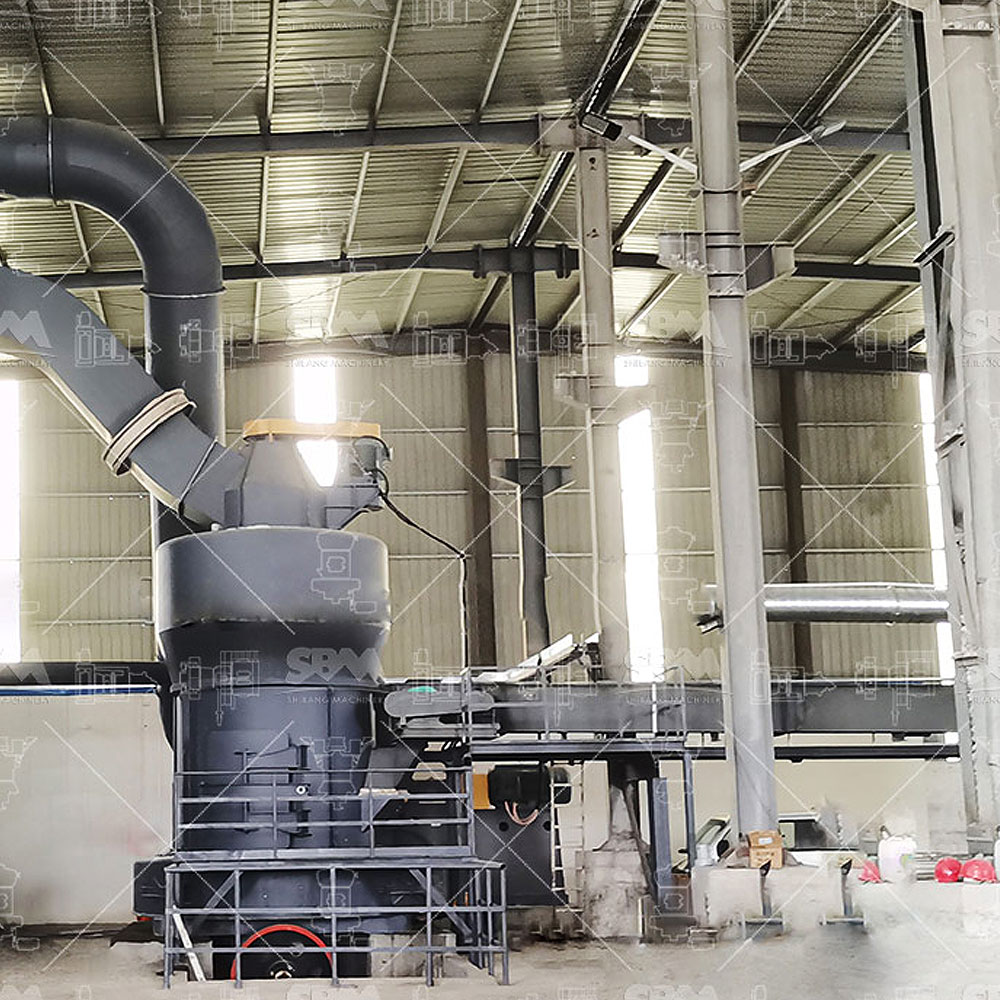
When higher capacity and integrated processing are required, especially for handling moist filter cakes or requiring simultaneous drying and grinding, Vertical Roller Mills (VRM) present a superior solution. The LM Vertical Roller Mill integrates crushing, drying, grinding, and classification in a single unit. This compact design can reduce the plant's footprint by up to 50% compared to traditional ball mill systems, offering substantial savings in civil engineering and infrastructure costs. Its grinding principle, where rollers press on a rotating table, is inherently more energy-efficient, often reducing power consumption by 30-40%. The non-contact design between rollers and table (with a slight gap) and the use of premium wear materials extend service life dramatically. An integrated automatic control system allows for precise regulation of grinding parameters, ensuring consistent product quality while minimizing manual intervention.
The demand for high-performance, specialty-grade TiO2—used in premium cosmetics, high-end plastics, and as a photocatalyst—drives the need for ultrafine grinding technology. Here, achieving a tight PSD in the sub-micron and nanometer range (e.g., 1250-4000 mesh) is paramount. The SCM Series Ultrafine Mill and LUM Ultrafine Vertical Mill are engineered for this precision task. The SCM mill utilizes a high-frequency grinding chamber and an efficient turbo air classifier to produce powders with fineness up to D97 ≤ 5μm. Its heavy-duty rotor design and special material selection for rollers and rings ensure durability in abrasive applications. The LUM Ultrafine Vertical Mill takes a different approach, integrating German powder separation technology. Its uniquely designed grinding curves promote stable material bed formation, enhancing grinding efficiency and yield. The multi-rotor classifier allows precise, stepless adjustment of cut-point, eliminating coarse particle spillover and ensuring a uniformly fine product essential for high-value applications.
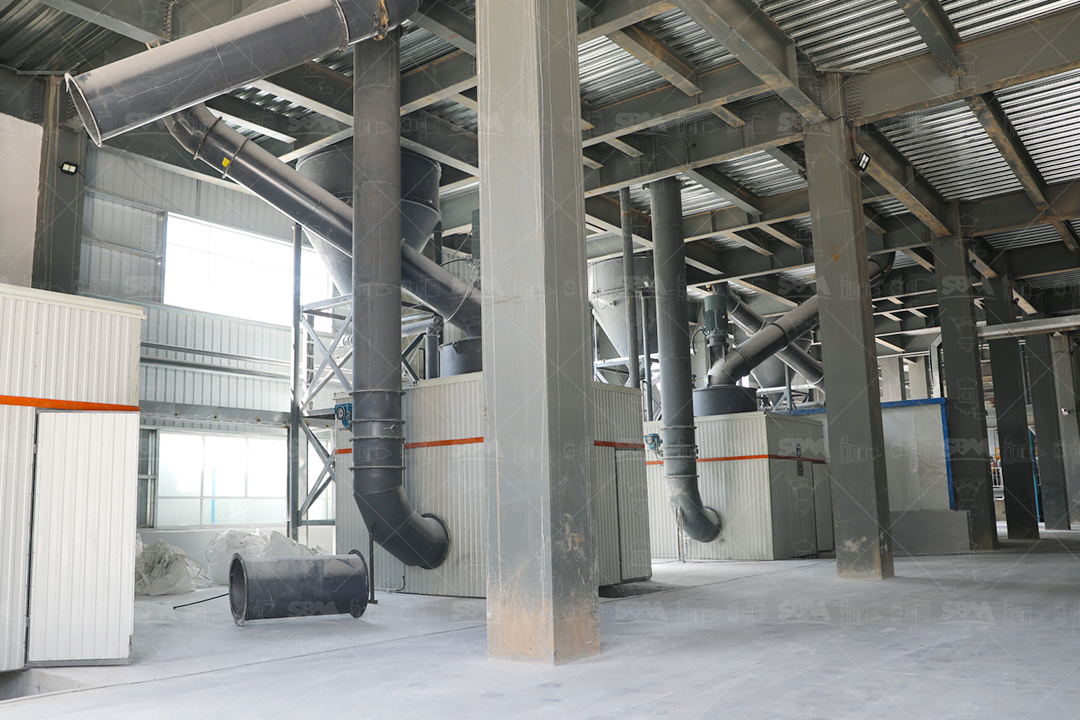
While newer technologies dominate for fine and ultrafine grinding, optimized Ball Mills still play a role in certain TiO2 processing circuits, particularly in wet grinding applications or primary size reduction stages. Modern ball mills have addressed historical drawbacks like high liner and ball wear through improved structural design and advanced materials, reducing spare parts costs. They offer reliability and are capable of producing consistent powders in a specific range, often serving as a complementary component within a broader, optimized grinding circuit designed for maximum overall efficiency.
In conclusion, the production of titanium dioxide is a technologically demanding process where grinding equipment selection is critical. From high-capacity trapezium mills and integrated vertical roller mills to precision ultrafine grinding systems, the evolution of milling technology directly empowers manufacturers to enhance product quality, improve energy efficiency, reduce operational costs, and meet stringent environmental standards. Partnering with an experienced total solution provider that offers a full spectrum of grinding technologies and deep process knowledge is key to building a competitive and sustainable TiO2 production operation.
Frequently Asked Questions (FAQs)
Q1: We struggle with high energy costs and frequent wear part replacement in our TiO2 grinding line. What solutions can lower our operating expenses?
A: Modern mills like the Vertical Roller Mill (VRM) are designed specifically to address these pain points. Their grinding mechanism consumes 30-40% less energy than traditional ball mills. Furthermore, features like non-contact grinding elements, premium wear-resistant materials (e.g., for rollers and rings), and designs like the replaceable shovel blade in the MTW Mill drastically extend service life, reducing both spare parts costs and maintenance downtime.
Q2: For our specialty TiO2 products, achieving a consistent and very fine particle size (e.g., below 2μm) is challenging. Can your equipment ensure this?
A: Absolutely. For ultrafine applications, our SCM and LUM Ultrafine Mills are engineered for precision. They incorporate advanced high-efficiency classifiers (turbo or multi-rotor) that provide accurate particle size cuts. With fineness adjustable from 325 to 4000 mesh and the ability to achieve a primary grind of D97≤5μm, these mills ensure a narrow, consistent PSD crucial for high-opacity, high-performance TiO2 grades.
Q3: Our production process requires drying of wet filter cake before grinding. Is there an integrated solution to streamline this?
A: Yes. The LM Vertical Roller Mill is an ideal integrated solution. It combines drying, grinding, and classification in one unit. Hot air is introduced into the mill chamber, simultaneously drying and grinding the material. This eliminates the need for a separate, energy-intensive dryer, simplifies the plant layout, reduces heat loss, and lowers overall capital and operating investment.
Q4: Dust emission and noise are significant environmental and workplace concerns for us. How do your mills address pollution control?
A: Our grinding systems are designed with environmental protection as a core principle. The entire milling circuit operates under negative pressure, preventing dust escape. They are equipped with high-efficiency pulse bag dust collectors, ensuring emissions meet strict national standards. Additionally, optimized mill structures, sound insulation rooms, and mufflers are employed to effectively reduce operational noise to acceptable levels.
Q5: We are planning a new production line and need equipment that allows for future expansion and easy operation. What level of automation do you offer?
A: Our advanced mills come with PLC/DCS-based automatic control systems. These systems enable precise, remote monitoring and control of critical parameters like grinding pressure, classifier speed, and feed rate. This ensures stable operation, consistent product quality, and allows for easy scaling or process adjustment. Automation also significantly reduces labor requirements and the potential for human error.


