

Rubber mills promote tire recycling
Published: October 26, 2023
The global challenge of end-of-life tire disposal is driving innovation in material recovery, where advanced grinding technology plays a pivotal role. By transforming discarded tires into valuable crumb rubber and fine powders, modern rubber mills enable a circular economy, turning waste into resources for construction, automotive, and industrial applications. This article explores how next-generation grinding equipment—specifically vertical roller mills, European trapezium mills, and ultrafine grinding systems—delivers the efficiency, precision, and reliability required to make tire recycling both economically viable and environmentally sustainable. We will examine key technological advancements that address core industry pain points, such as high energy consumption, inconsistent particle size, and operational costs, highlighting solutions that empower recyclers to meet growing market demands.
The tire recycling process begins with shredding, but the true value addition occurs during the fine grinding phase, where rubber is reduced to specific mesh sizes for downstream use. This stage demands equipment capable of handling abrasive, elastic materials consistently and efficiently. Traditional grinding methods often struggle with high wear rates, excessive energy use, and limited control over final product fineness. Here, engineered grinding mills from experienced providers like SBM Machinery offer a transformative advantage. With decades of expertise serving over 180 countries in mineral and non-metallic processing, the principles of robust, efficient comminution are directly applicable to the challenges of rubber recycling.
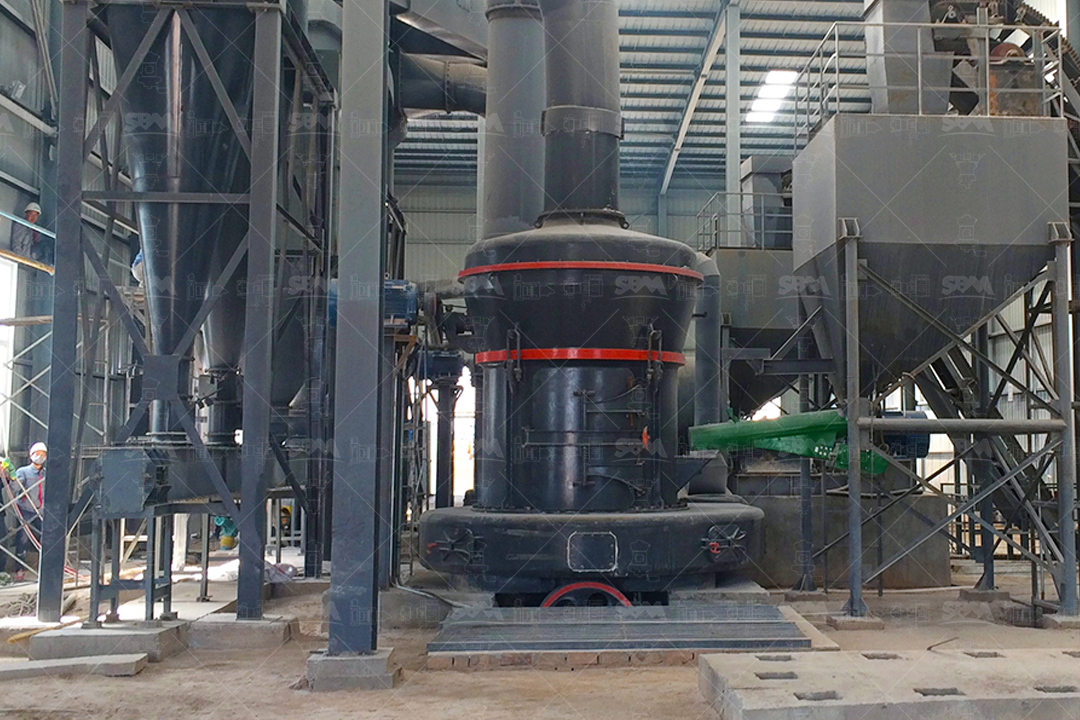 A primary workhorse in this field is the Vertical Roller Mill (VRM). Its integrated design—combining drying, grinding, classification, and conveying into a single compact system—is ideal for processing tire-derived rubber. The VRM operates on the principle of material bed comminution, where rubber crumb is ground between a rotating table and rollers. This method inherently consumes 30-40% less energy than traditional ball mills, a critical factor given energy costs. Furthermore, the non-contact grinding between roller and table, coupled with high-quality wear materials, drastically reduces maintenance frequency and the cost of wear parts. For recyclers, this translates to lower operating expenses and higher uptime. The system's fully enclosed, negative-pressure operation also ensures no dust escape, addressing a significant environmental and workplace safety concern.
For operations requiring high-capacity production of fine to medium rubber powders (30-400 mesh), the MTW Series European Trapezium Grinding Mill presents a robust solution. Its design incorporates customer-driven innovations, such as the cone gear whole transmission for efficient power delivery and the arc air duct that minimizes airflow resistance and energy loss. A key feature for abrasive rubber processing is its unique wear-proof shovel blade design. The curved, combined-type blades enhance material feeding and can be replaced individually, slashing maintenance time and component costs. This mill's ability to deliver stable output at capacities up to 40tph makes it suitable for large-scale recycling facilities aiming to process significant volumes of tire feedstock reliably.
As markets for recycled rubber expand, demand grows for ultra-fine powders (400 mesh and finer) used in high-value applications like modified asphalt, premium sports surfaces, and composite materials. Meeting this demand requires precision technology. The SCM Series Ultrafine Mill and LUM Ultrafine Vertical Mill are engineered for this purpose. The SCM mill can achieve fineness up to 2500 mesh (D97≤5µm) with energy consumption reportedly 30% lower than jet mills. Its heavy-duty rotor and special material rollers withstand the tough processing of rubber. The LUM model takes vertical grinding principles to an ultra-fine level, integrating advanced German powder-separation technology. Its multi-rotor classifier allows precise cut-point control, ensuring a consistent, narrow particle size distribution without coarse powder spillover—a common quality headache for recyclers. Both mills feature intelligent PLC control systems that automate grinding pressure and classifier speed, ensuring product consistency while reducing labor oversight.
 Beyond the mill itself, success in tire recycling hinges on the entire system. Effective dust collection via pulse-jet baghouses, sound insulation for noise control, and automated material handling are integral. Modern grinding systems from total solution providers are designed with these peripherals in mind, offering a cohesive package that ensures environmental compliance—meeting or exceeding national emission standards—and operational smoothness. The shift from viewing used tires as waste to recognizing them as a feedstock necessitates this level of technological sophistication. By adopting advanced grinding solutions, recycling companies can enhance their profitability through lower operational costs, higher product quality, and access to premium markets, all while contributing meaningfully to environmental sustainability.
The evolution of grinding mill technology is directly enabling the tire recycling industry to scale and mature. From high-capacity vertical roller mills for base material production to precision ultrafine mills for specialty powders, the right equipment choice is foundational to overcoming historical bottlenecks. As the circular economy gains momentum, investing in efficient, reliable, and intelligent grinding systems is no longer optional but a strategic imperative for recyclers committed to long-term growth and impact.
Frequently Asked Questions (FAQs)
1. What are the main challenges when grinding tire rubber, and how does your equipment address them?
Tire rubber is highly abrasive and elastic, causing rapid wear in conventional mills and leading to high maintenance costs and inconsistent grind. Our mills address this through specialized wear-proof designs (like combined shovel blades in the MTW series), high-quality alloy rollers and rings, and material-bed grinding principles (in VRMs) that reduce direct abrasion. This extends component life significantly, lowering operating costs.
2. We struggle with high energy bills from our current grinding process. Can your mills reduce consumption?
Yes, energy efficiency is a core design focus. Our Vertical Roller Mills typically use 30-40% less energy than ball mill systems for similar output due to their efficient grinding mechanism and integrated design. The MTW Mill's cone gear transmission and optimized airflow also minimize power loss. Lower energy consumption directly improves your operational profitability.
3. How do you ensure consistent particle size and quality of the final rubber powder?
Consistency is achieved through advanced separation and control technology. Our ultrafine mills (SCM & LUM) feature high-precision turbine classifiers or multi-rotor classifiers that provide accurate particle size cuts. Coupled with intelligent PLC systems that automatically adjust grinding pressure and classifier speed in real-time, they ensure a stable and uniform product meeting strict specifications.
4. Dust control is a major concern for our plant's safety and environmental compliance. How is this managed?
Our grinding systems are designed as fully sealed, negative-pressure environments. Powder is transported internally, and efficient dust collection systems—combining cyclone separators and pulse-jet bag filters—capture over 99.9% of particulates. This contained design prevents dust spillage, protects worker health, and ensures emissions easily meet stringent environmental standards.
5. We need to produce different powder fineness for various customers. Is flexible adjustment possible?
Absolutely. Our mills offer wide adjustable fineness ranges (e.g., 30-400 mesh for VRM/MTW, 325-2500+ mesh for ultrafine mills). Adjustment is facilitated through user-friendly controls, often frequency-conversion driven for the classifier speed. This allows quick switching between product grades without requiring mechanical changes, enabling you to respond flexibly to market demands.


