

Zirconium silicate's role in ceramics
Published: October 26, 2023
Zirconium silicate (ZrSiO₄) is a cornerstone material in the ceramics industry, prized for its exceptional properties as an opacifier, whitening agent, and durability enhancer. Its effective integration into ceramic bodies and glazes, however, hinges on achieving precise particle size distribution and ultra-fine fineness, which directly impacts opacity, gloss, mechanical strength, and overall product quality. This article explores the critical functions of zirconium silicate in ceramic manufacturing and examines how advanced grinding technologies, such as those developed by SBM Machinery, provide tailored solutions to overcome the processing challenges associated with this essential mineral, enabling manufacturers to optimize performance, efficiency, and consistency in their final products.
The primary role of zirconium silicate in ceramics is to act as a highly effective opacifier. In glazes and engobes, it disperses light, creating a bright, white, and opaque finish that masks the color of the underlying ceramic body. This is crucial for producing sanitaryware, tiles, and tableware with consistent, appealing aesthetics. Beyond opacity, zirconium silicate significantly enhances the mechanical and chemical durability of ceramic products. It increases hardness, scratch resistance, and thermal shock resistance, while also improving resistance to chemical attack from acids and alkalis. This makes it indispensable in technical ceramics and high-wear applications. Furthermore, its high refractive index and stability at elevated sintering temperatures ensure consistent results even in demanding firing cycles, preventing defects and ensuring batch-to-batch uniformity.
To unlock these superior properties, zirconium silicate must be ground to a specific and often very fine particle size. The grinding process directly influences key performance metrics: insufficient fineness leads to poor opacity, reduced gloss, and potential surface defects, while over-grinding can increase energy costs unnecessarily and may even alter material properties. The ideal grinding system must deliver precise control over fineness, high throughput, and consistent output quality, all while managing operational costs related to wear, energy consumption, and maintenance.
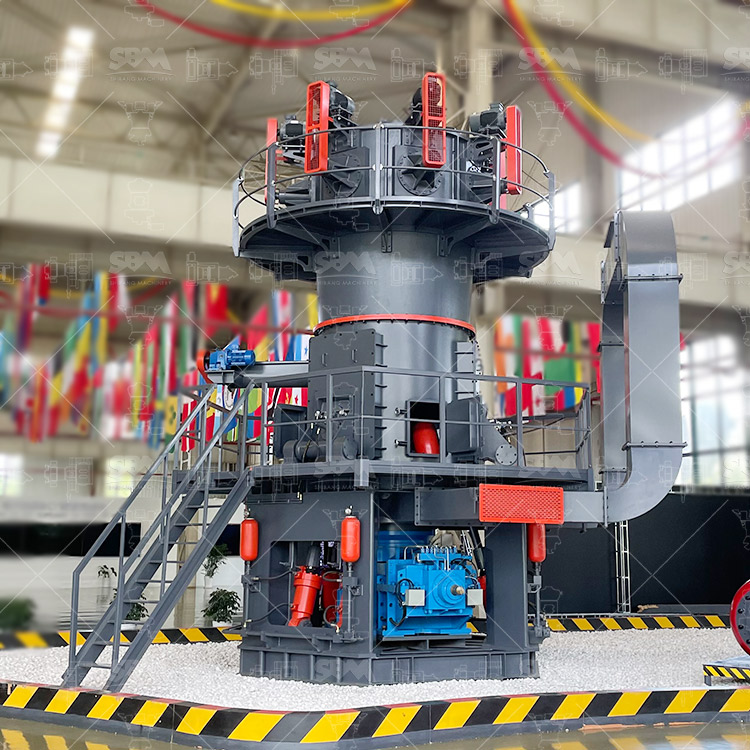 Traditional grinding methods often struggle to meet the stringent requirements for advanced ceramic materials like zirconium silicate. This is where engineered grinding solutions make a definitive impact. As a total solution provider with expertise spanning the entire mineral processing workflow, SBM Machinery offers a range of equipment designed to address the specific痛点 of processing hard, abrasive minerals to precise specifications. The choice of mill depends on the required fineness, capacity, and the balance between capital and operational expenditure.
For standard opacifier production targeting fineness between 30-400 mesh, the MTW Series European Trapezium Grinding Mill presents a robust solution. Its cone gear whole transmission and inner oil absorption lubrication system ensure stable, efficient operation with lower noise and vibration. The unique curved shovel blade design and wear-resistant materials prolong the service life of grinding rollers and rings, a critical factor when processing abrasive zirconium silicate, thereby reducing the frequency and cost of wearing parts replacement.
When higher capacity and integrated processing are required, the LM Vertical Roller Mill offers distinct advantages. Its integrated design combines drying, grinding, and classification in a single compact unit, reducing floor space by approximately 50% compared to traditional ball mill systems. The grinding principle, where rollers compress material on a rotating table, results in energy savings of 30-40%. For zirconium silicate processing, its ability to operate under negative pressure ensures a dust-free environment, and the expert automatic control system allows for precise adjustment of grinding parameters to maintain consistent product quality.
The pursuit of ultra-fine zirconium silicate powders for high-performance and specialty ceramics necessitates more advanced technology. The SCM Ultrafine Mill is engineered to produce powders in the range of 325 to 2500 mesh, with disposable fineness reaching D97≤5µm. Its high-efficiency turbo classifier ensures accurate particle size cuts and prevents coarse powder spillover. The heavy-duty rotor design and use of special materials for grinding components provide exceptional durability against abrasion, making it suitable for continuous production of premium-grade materials.
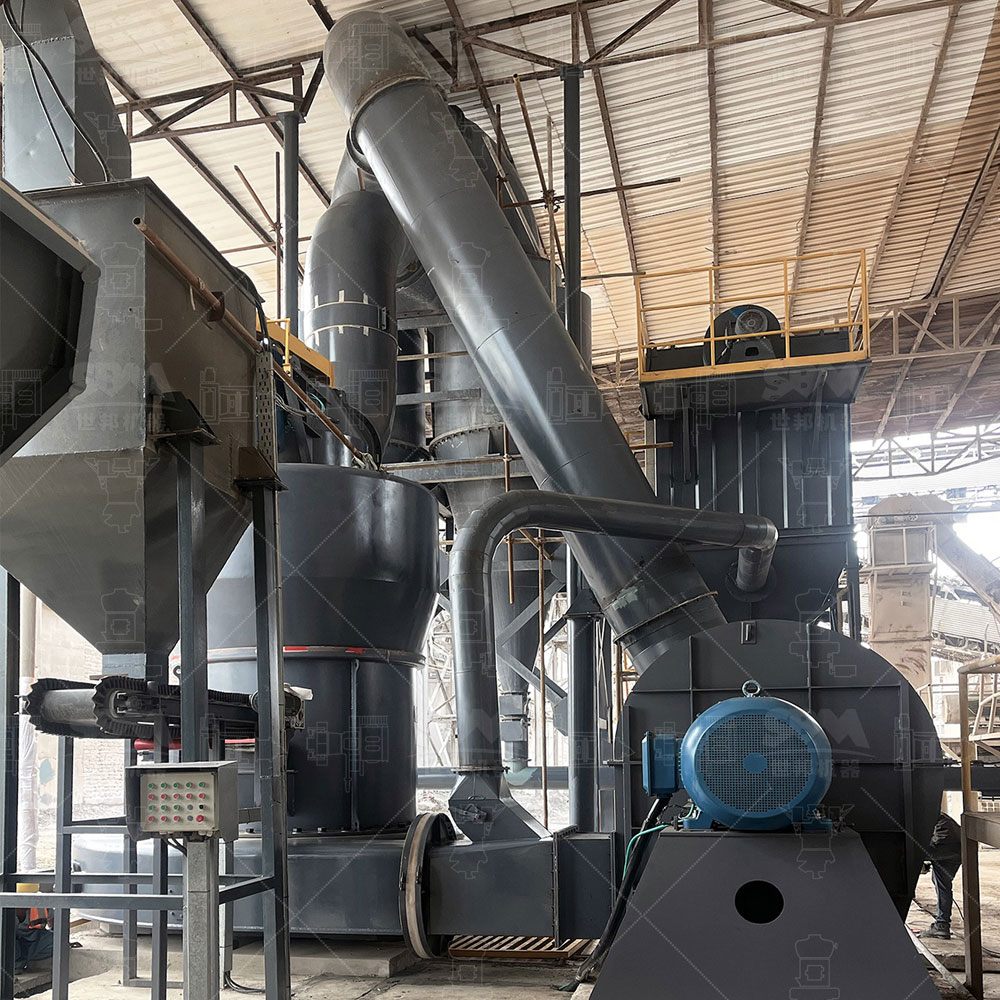 For large-scale production of ultra-fine powders, the LUM Ultrafine Vertical Mill represents the pinnacle of integration and intelligence. Incorporating advanced grinding roller and German powder separating technology, it features a unique grinding curve design that promotes efficient material bed formation. The multi-rotor classifier allows for highly customizable fineness with sharp cuts. Its intelligent PLC/DCS control system automatically manages grinding pressure and classifier speed, ensuring stable operation and optimal product quality with minimal manual intervention, which is vital for maintaining the strict specifications required in advanced ceramic formulations.
Even modernized Ball Mills retain their relevance for certain grinding stages or specific product requirements. Through structural optimization and the use of improved materials, contemporary ball mills offer reduced wear on grinding media and liners, addressing traditional concerns over high maintenance costs. They remain a viable option for certain ceramic processing lines where their particular grinding action is beneficial.
In conclusion, zirconium silicate's value in ceramics is fully realized only through precise and efficient comminution. The challenges of achieving the right balance of fineness, throughput, energy efficiency, and operational cost require more than generic equipment; they demand specialized grinding solutions. By leveraging advanced mill designs—from high-efficiency trapezium mills and vertical roller mills to sophisticated ultrafine grinding systems—manufacturers can transform raw zirconium silicate into a consistently high-performing additive that elevates the quality, durability, and aesthetics of their ceramic products, ensuring competitiveness in a demanding global market.
Frequently Asked Questions (FAQs)
Q1: We struggle with inconsistent opacity and color in our ceramic glazes. Could this be related to zirconium silicate grinding?
A: Absolutely. Inconsistent particle size distribution from your grinding process is a primary cause. Variations in fineness lead to uneven light scattering. Implementing a mill with a high-precision classification system, like our LUM or SCM series with advanced classifiers, ensures a tight, consistent particle size range for uniform opacity batch after batch.
Q2: The abrasiveness of zirconium silicate causes rapid wear on our mill's grinding components, leading to high maintenance costs and downtime. Is there a solution?
A: Yes. This is a common痛点. Our MTW and LM mills feature wear-proof designs using special materials for rollers/rings and patented shovel blades/grinding curves. These designs significantly extend service life, reduce the frequency of parts replacement, and lower long-term operating costs.
Q3: We need to produce ultra-fine zirconium silicate powder (over 1250 mesh) but our current equipment has very low yield and high energy consumption. What options do we have?
A: Conventional mills are inefficient for this task. Our SCM Ultrafine Mill and LUM Ultrafine Vertical Mill are specifically engineered for high-yield, energy-efficient production in the 325-4000 mesh range. They utilize optimized grinding mechanics and high-efficiency classifiers to achieve target fineness in a single pass, reducing energy use by up to 30-40% compared to some traditional methods.
Q4: Dust control is a major concern in our plant. Does fine grinding of zirconium silicate necessarily mean a dusty, environmentally challenging operation?
A: Not with properly designed systems. Our vertical roller mills (LM, LUM) and ultrafine mills operate under fully sealed, negative-pressure conditions. This, combined with efficient pulse dust collection systems, virtually eliminates dust spillover, ensuring a clean workshop and compliance with strict environmental standards.
Q5: We want to automate our production line for better consistency. Can grinding equipment for zirconium silicate integrate into an automated process?
A: Certainly. Modern mills like our LM and LUM series come equipped with expert automatic control systems (PLC/DCS). They allow for remote operation, automatic adjustment of key parameters (grinding pressure, classifier speed), and stable, consistent output with less manual labor, making them ideal for integrated, automated production lines.


