

Sbm: 3000 mesh carbon black mills
Published on: October 26, 2023
Producing ultra-fine carbon black powder at 3000 mesh presents significant technical hurdles, including achieving consistent particle size distribution, managing high energy consumption, controlling heat generation, and ensuring operational stability. Shanghai SBM Machinery Equipment Co., Ltd. addresses these challenges head-on with its advanced portfolio of grinding mills, specifically engineered for high-end applications like conductive carbon black, masterbatch, and specialty rubber compounds. By integrating decades of R&D experience and feedback from a global clientele across over 180 countries, SBM's solutions—particularly the SCM Ultrafine Mill and LUM Ultrafine Vertical Mill—deliver precise fineness control up to 4000 mesh, exceptional energy efficiency, and robust system reliability, transforming carbon black processing into a more predictable and profitable operation.
The pursuit of 3000-mesh fineness in carbon black is not merely about achieving a number; it's about unlocking material properties critical for advanced applications. At this scale, particles significantly enhance conductivity, tinting strength, and dispersion in polymers. However, conventional grinding equipment often struggles with the material's abrasive nature and the tendency for agglomeration. SBM's approach is rooted in a deep understanding of the entire mineral processing workflow, allowing for the development of mills that are not just machines but integrated systems. The company's expertise spans power generation, chemicals, and non-metallic minerals, providing a solid foundation for tackling the unique demands of carbon black micronization.
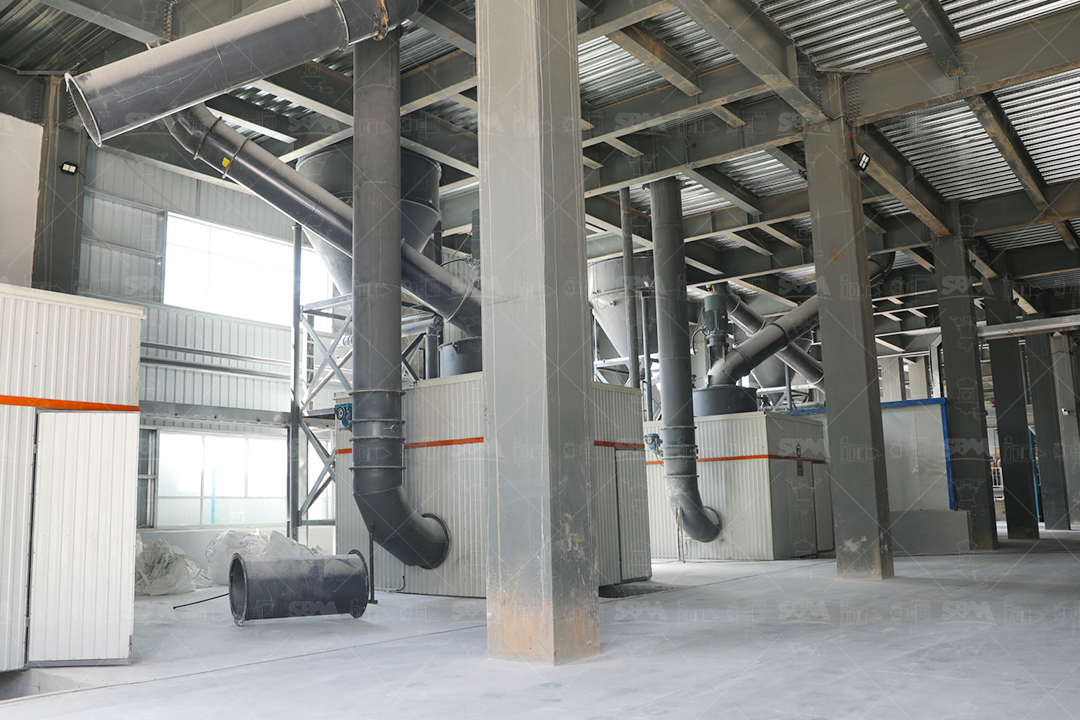
For ultra-fine grinding targets like 3000 mesh, the SCM Series Ultrafine Mill stands out. Its design is a direct response to the limitations of standard Raymond mills. The mill can adjust fineness between 325 and 4000 meshes, with a one-time grinding fineness capable of reaching D97 ≤ 5µm. A key differentiator is its high-efficiency vertical turbine powder classifier, which ensures precise particle size cuts and prevents coarse powder spillover—a common pain point that leads to product inconsistency and wasted energy. Furthermore, its heavy-duty rotor design and use of special materials for rollers and rings extend component life dramatically, directly countering the high wear costs associated with abrasive materials like carbon black. The grinding chamber's balanced construction minimizes vibration, a crucial factor for maintaining steady output quality.
When higher capacity and integrated processing are required, the LUM Series Ultrafine Vertical Roller Mill emerges as the optimal solution. This mill integrates grinding, separation, and transportation into a single, compact unit. Its core advantage for carbon black processing lies in its uniquely designed grinding curves for the roller and lining plate, which promote stable material bed formation. This leads to higher primary grinding efficiency and a greater yield of on-spec product from the first pass. The adoption of multi-rotor powder classifier technology allows for highly customizable fineness with sharp cuts, ensuring no low-grade material contaminates the final 3000-mesh product. From an operational standpoint, its PLC/DCS automatic control system precisely manages grinding pressure and classifier speed, enabling remote monitoring and stable, hands-off operation.
Beyond the grinding mechanism itself, SBM mills are designed with total cost of ownership and environmental compliance in mind. A major client pain point is high energy consumption. Both the SCM and LUM mills address this through optimized mechanical designs and intelligent systems. The LUM mill, for instance, can reduce energy consumption by 30-40% compared to traditional ball milling systems for similar outputs. Operational costs are further reduced through features like inner oil absorption lubrication and wear-resistant component designs that slash maintenance frequency and spare parts costs.
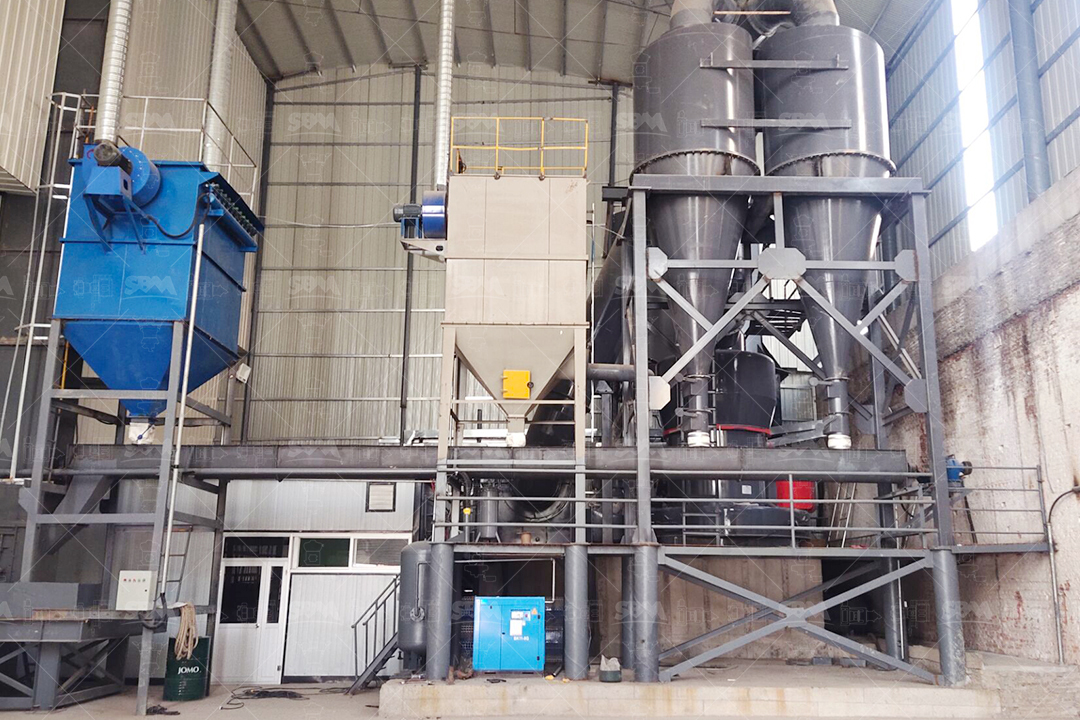
Environmental and operational stability are non-negotiable in modern plants. SBM equipment operates under a fully sealed, negative-pressure system, effectively containing carbon black dust—a significant health and safety hazard—and meeting stringent international emission standards. Advanced pulse dust collectors and sound insulation designs ensure the process is not only clean but also quiet, facilitating better working conditions and easier site placement.
In conclusion, navigating the complexities of 3000-mesh carbon black production requires a partner with proven technological depth and a systemic approach. SBM Machinery provides more than just equipment; it delivers tailored grinding solutions that enhance product quality, boost efficiency, and ensure long-term, reliable performance. By focusing on the core challenges of fineness control, energy use, wear resistance, and system stability, SBM empowers producers to meet the exacting standards of tomorrow's high-performance material markets.
Frequently Asked Questions (FAQs)
Q1: Can your mills truly achieve a consistent 3000-mesh output for carbon black without excessive heat buildup affecting the material properties?
A1: Absolutely. Our SCM and LUM mills utilize advanced classifier technology and optimized grinding geometries that promote efficient particle separation and minimize over-grinding. The intelligent control system allows for precise temperature management, and the stable material bed in the LUM mill further reduces frictional heat, protecting the critical properties of the carbon black.
Q2: Carbon black is highly abrasive. How do you address the issue of rapid wear on grinding components?
A2: We combat wear through material science and design. Key components like rollers, rings, and liner plates are manufactured from special, proprietary wear-resistant alloys. Features like the curved shovel blade design in our MTW series also help by changing the feeding angle to reduce direct abrasive impact, extending service life by several times compared to conventional parts.
Q3: We struggle with dust leakage and meeting environmental regulations. How is this managed?
A3: All our mills for carbon black are designed as completely sealed systems operating under negative pressure. This means air is drawn into the mill, not pushed out, preventing any dust escape. Coupled with high-efficiency pulse jet bag dust collectors, our systems far exceed common national and international environmental standards for particulate emissions.
Q4: Is it possible to adjust the fineness between different grades (e.g., from 1500 to 3000 mesh) quickly on the same mill?
A4: Yes. Our mills equipped with advanced frequency-conversion controlled classifiers allow for quick and stable adjustment of finished product fineness. Changes can be made via the PLC control system without requiring major mechanical alterations, enabling flexible production to meet varying customer specifications.
Q5: For a new production line, how does the footprint and installation complexity of your ultrafine grinding systems compare to traditional setups?
A5: Our vertical roller mills (LUM) and integrated system designs offer a significantly smaller footprint—approximately 50% less than a traditional ball mill system of comparable capacity. They feature a compact layout with integrated crushing, drying, grinding, and separation, which simplifies foundation work and installation. Many components can also be pre-assembled, reducing on-site construction time and costs.


