

Equipment for dolomite deep processing
Published on: October 26, 2023
The deep processing of dolomite into high-value powders demands precision, reliability, and efficiency from grinding equipment. For industries ranging from construction materials and plastics to agriculture and environmental desulfurization, achieving consistent particle size distribution, high throughput, and controlled operational costs is paramount. Shanghai SBM Machinery Equipment Co., Ltd., as a total solution provider with a global footprint across over 180 countries, addresses these core challenges through a portfolio of advanced milling technologies. This article explores the technical nuances of dolomite processing, highlighting how specific mill designs—from European Trapezium Mills to Ultrafine Vertical Mills—are engineered to overcome common production bottlenecks, enhance product quality, and ensure sustainable, cost-effective operations without compromising on environmental standards.
Dolomite, a calcium magnesium carbonate mineral, presents unique processing characteristics. Its moderate hardness and often variable composition require equipment that can deliver consistent grinding performance while adapting to desired fineness levels, which may range from coarse fillers at 30 mesh to ultra-fine powders exceeding 2500 mesh. The selection of the appropriate grinding system is critical, as it directly impacts energy consumption, wear part longevity, final product quality, and overall plant footprint. SBM Machinery's approach is rooted in integrating decades of mineral processing expertise with continuous innovation, resulting in mills that are not just machines but optimized systems for dolomite value addition.
For large-scale production of dolomite powders in the 30-400 mesh range, the MTW Series European Trapezium Grinding Mill stands out. Its design is a culmination of extensive R&D and feedback from thousands of global installations. Key to its efficiency in dolomite processing is the combined-type curved shovel blade. This unique design reduces the frequency of wear part replacement by optimizing material feeding and minimizing direct abrasion on the grinding roller and ring, directly addressing the pain point of high maintenance costs. Furthermore, its Cone Gear Whole Transmission system ensures stable, high-efficiency power transfer with minimal energy loss, while the arc air duct design maintains optimal airflow for material transportation, crucial for consistent output in continuous dolomite grinding operations.
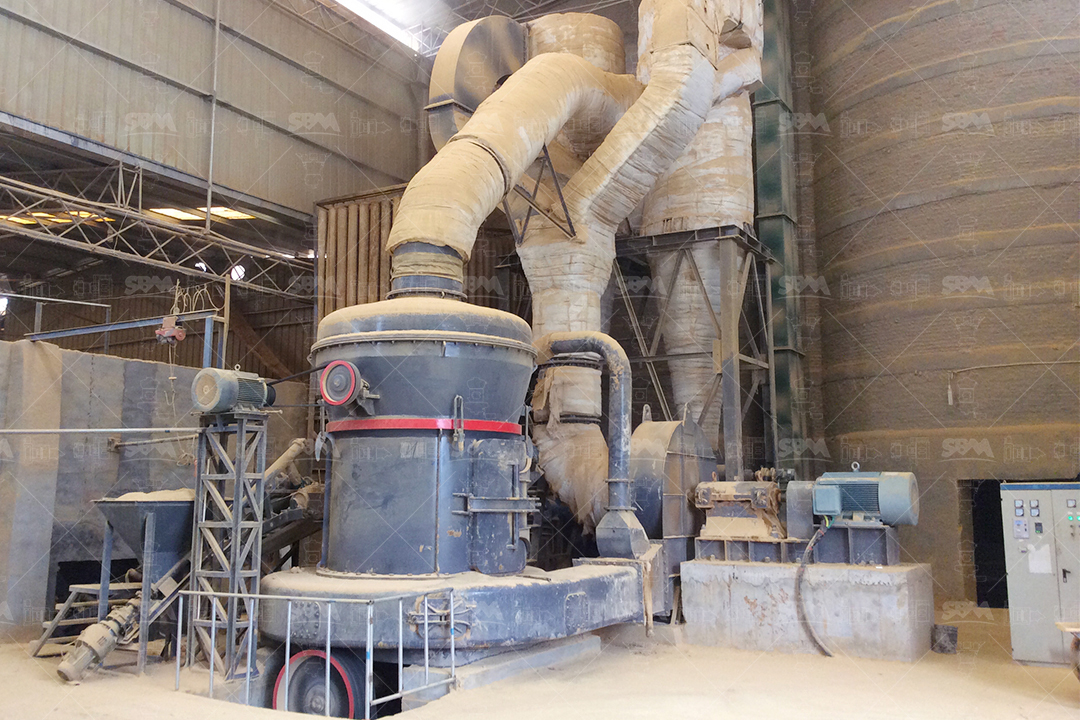
When project requirements emphasize high capacity combined with significant drying needs—for instance, processing dolomite with higher moisture content—the LM Vertical Roller Mill offers a compelling solution. Its integrated design combines crushing, drying, grinding, and classification in a single unit, dramatically simplifying the process flow. This consolidation can reduce the floor space by approximately 50% compared to traditional ball mill systems, a significant advantage for greenfield projects or space-constrained facilities. For dolomite processing, its grinding principle, where rollers press on a rotating table, results in 30-40% lower energy consumption than conventional ball mills. The system operates under negative pressure, ensuring a dust-free environment and meeting stringent environmental standards, which is a critical concern for modern mineral processing plants.
The pursuit of ultra-fine dolomite powders for high-end applications like plastics, paints, or advanced ceramics necessitates specialized technology. Here, the SCM Ultrafine Mill and the LUM Ultrafine Vertical Roller Mill represent the pinnacle of fine grinding engineering. The SCM series is renowned for achieving fineness up to 4000 mesh (D97 ≤5µm) with remarkable energy efficiency, consuming about 30% less energy than jet mills of comparable output. Its heavy-duty rotor and balanced grinding chamber ensure stable, vibration-free operation, which is essential for producing consistent ultra-fine powders. The LUM series takes vertical grinding technology further, incorporating advanced multi-rotor powder classifiers from Germany. This allows for exceptionally precise particle size cuts and a high yield of on-spec product from the first pass, minimizing the generation of low-grade fines. Its intelligent PLC control system automatically adjusts grinding pressure and classifier speed, ensuring optimal performance even with variations in feed material, a common headache in fine dolomite processing.
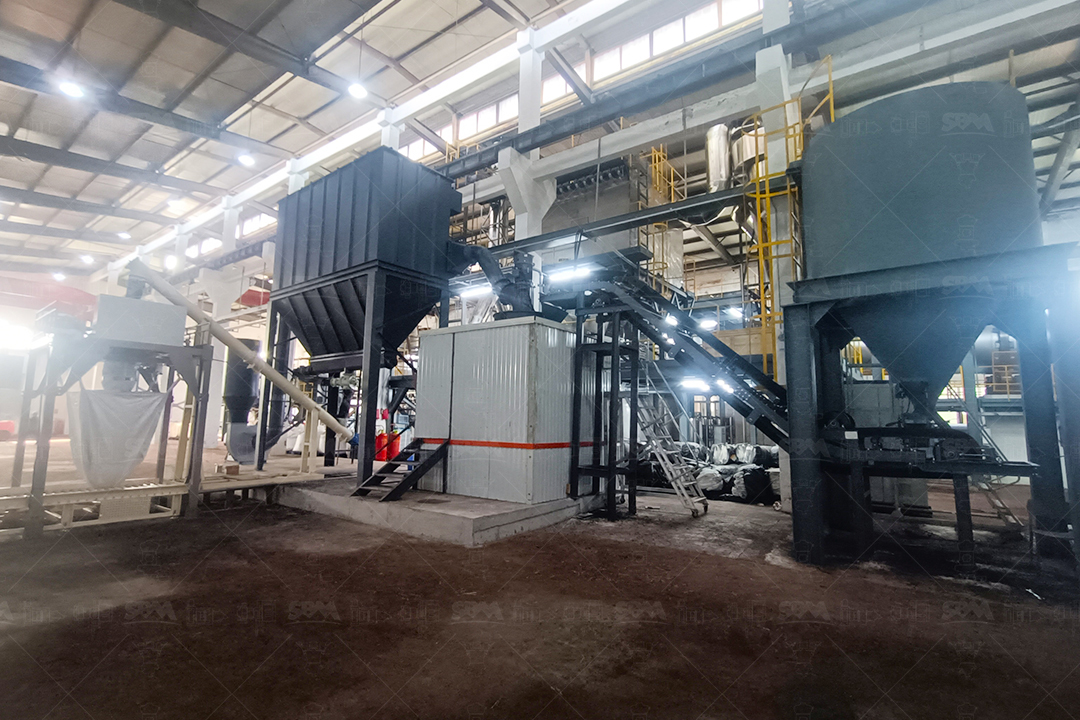
While newer technologies often take the spotlight, optimized traditional systems like the Ball Mill still have their place, particularly for certain dolomite applications requiring wet grinding or specific particle morphology. SBM's modernized ball mills address historical drawbacks through improved liner and grinding media materials, reducing wear rates and lowering the operational cost per ton. The choice between a dry vertical mill system and a wet ball mill circuit ultimately depends on the final product specification and downstream processing requirements.
In conclusion, deep processing dolomite is a technically demanding endeavor that benefits immensely from purpose-engineered equipment. The core differentiator lies in selecting a mill whose strengths—be it the wear resistance of the MTW Mill, the integrated drying and high capacity of the LM Vertical Mill, or the ultra-fine precision of the SCM and LUM mills—align perfectly with the specific production goals and material characteristics. SBM Machinery's portfolio, backed by global application experience, provides these tailored solutions, enabling producers to transform raw dolomite into high-quality, consistent powders efficiently and sustainably, thereby securing a competitive edge in the market.
Frequently Asked Questions (FAQs)
1. What is the most significant challenge when grinding dolomite to ultra-fine levels (e.g., >2500 mesh), and how is it addressed?
The primary challenges are achieving consistent fineness without excessive energy consumption and managing heat generation. Mills like the SCM Ultrafine Mill and LUM Vertical Mill utilize advanced classifier technology (e.g., efficient vertical turbine or multi-rotor classifiers) and optimized grinding curves to ensure precise particle size control in a single pass. Their designs promote efficient particle-bed grinding rather than impact-only grinding, which reduces energy use and minimizes heat, protecting the material properties of dolomite.
2. How can we reduce the high maintenance costs associated with frequent wear part replacement in dolomite grinding?
This is addressed through innovative material and design solutions. For instance, the MTW Mill's combined-type curved shovel blade is designed to be replaced independently, saving cost compared to replacing entire assemblies. The LM Vertical Mill's rollers and table are made from high-quality, wear-resistant materials and operate without metal-to-metal contact, dramatically extending service life. Selecting a mill with such focused wear-reduction features directly lowers operating costs.
3. Our plant has limited space. Is a complete dolomite grinding and classifying system feasible?
Absolutely. Vertical roller mills like the LM and LUM series are specifically designed for compact layouts. By integrating multiple functions (drying, grinding, separation) into one vertical structure, they can reduce the system footprint by up to 50% compared to traditional horizontal ball mill circuits. This makes them ideal for space-constrained sites or for retrofitting into existing plants.
4. We need to process dolomite with variable moisture content. Can the equipment handle this without a separate dryer?
Yes, integrated drying is a key advantage of vertical roller mills like the LM series. Hot air is introduced directly into the grinding chamber, simultaneously drying and grinding the material. This eliminates the need for a separate, energy-intensive dryer, simplifies the process flow, and reduces capital and operating costs. The system's controls can adjust to varying feed moisture to maintain stable operation.
5. How is dust control and environmental compliance managed in these dolomite grinding systems?
Modern mills are designed as fully sealed systems operating under negative pressure. This means air is drawn into the mill, preventing dust from escaping. They are equipped with high-efficiency bag filter or pulse dust collection systems (like the double powder collectors on the SCM mill) that capture over 99.9% of particulates. Combined with low-noise designs, these features ensure the plant easily meets national and international environmental protection standards.


