

Calcium hydroxide production process
Published on: October 26, 2023
The production of high-quality calcium hydroxide (slaked lime) is a critical process for numerous industries, including water treatment, construction, chemical manufacturing, and environmental desulfurization. The efficiency, consistency, and fineness of the final powder are directly influenced by the performance of the grinding equipment used to process the raw limestone or quicklime. This article explores the modern calcium hydroxide production workflow and highlights how advanced grinding technologies—specifically, European Trapezium Mills, Vertical Roller Mills, and Ultrafine Mills—address core challenges such as energy consumption, product uniformity, operational costs, and environmental compliance. By integrating intelligent systems and robust engineering, these solutions enable producers to achieve superior product quality, remarkable operational stability, and sustainable production goals.
The journey of calcium hydroxide begins with the calcination of high-calcium limestone (CaCO₃) to produce quicklime (CaO). This quicklime is then hydrated in a controlled slaking process. For many applications, the resulting calcium hydroxide slurry is dried and ground into a fine, consistent powder. It is at this grinding stage where precision engineering makes a decisive difference. The choice of mill determines not only the particle size distribution—a key factor in reactivity and application performance—but also the overall plant efficiency, maintenance footprint, and environmental impact.
Traditionally, ball mills have been a common choice. However, their limitations, including high energy consumption, significant wear on grinding media, and challenges in achieving very fine or tightly controlled particle sizes, have driven the industry toward more advanced technologies. Modern grinding systems are designed to overcome these pain points by integrating drying, grinding, classification, and conveying into a single, streamlined unit. This integrated approach minimizes energy loss, reduces the number of auxiliary components, and allows for precise control over the entire process.
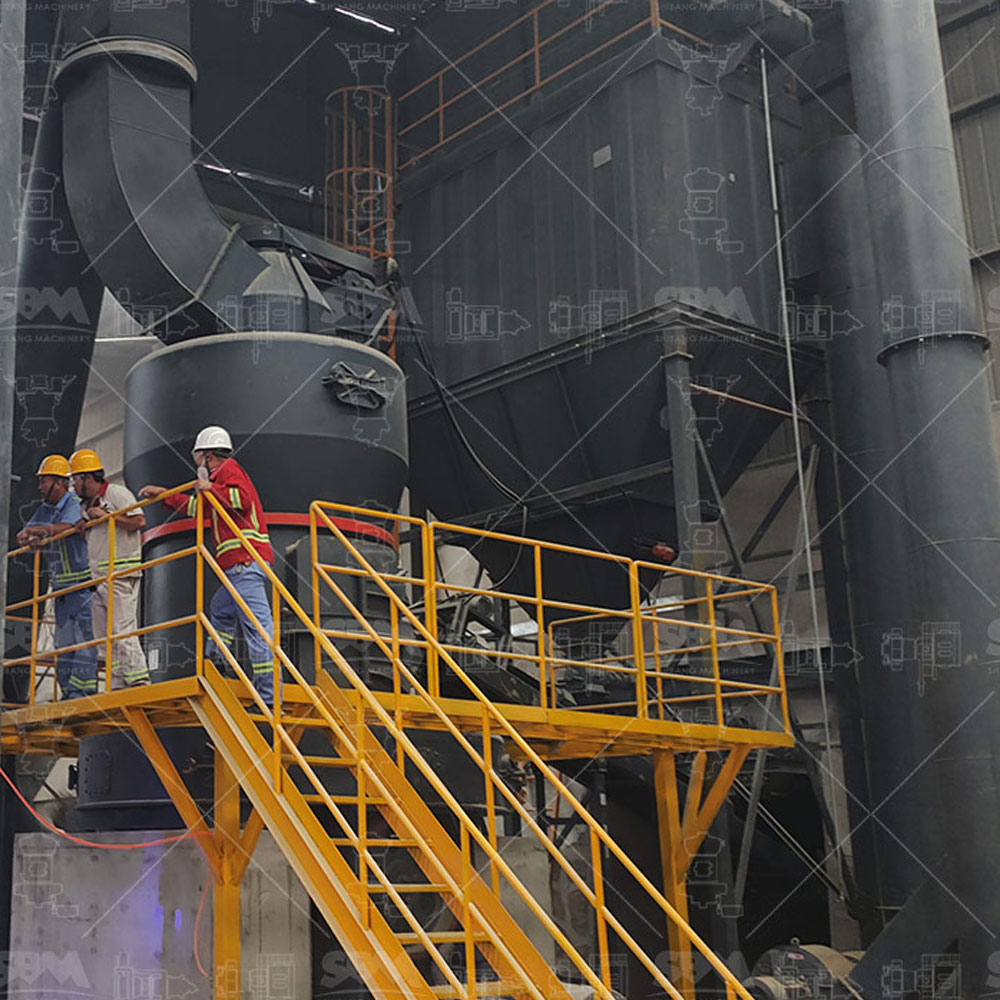
For high-volume production of calcium hydroxide powders in the 30-400 mesh range, the MTW Series European Trapezium Grinding Mill presents a robust solution. Its design incorporates feedback from thousands of global installations. Key innovations like the cone gear whole transmission system enhance mechanical efficiency and reliability, while the unique curved shovel blade design minimizes wear on critical components. This directly translates to lower long-term operating costs by reducing the frequency and cost of spare part replacements. Furthermore, the optimized arc air duct ensures smooth material flow and efficient air conveyance, which is crucial for maintaining consistent output quality and preventing blockages in the grinding chamber.
When space constraints and energy efficiency are paramount, the LM Vertical Roller Mill offers a compelling advantage. By consolidating multiple process steps—crushing, drying, grinding, and separation—into a single footprint, it can reduce the required floor space by up to 50% compared to traditional ball mill systems. Its grinding principle, where rollers compress material on a rotating table, is inherently more energy-efficient, often achieving 30-40% lower power consumption. The non-contact design between rollers and the grinding table, coupled with high-wear-resistant materials, drastically extends service life. An integrated expert automatic control system allows for remote monitoring and adjustment, ensuring stable operation and consistent product fineness with minimal manual intervention.
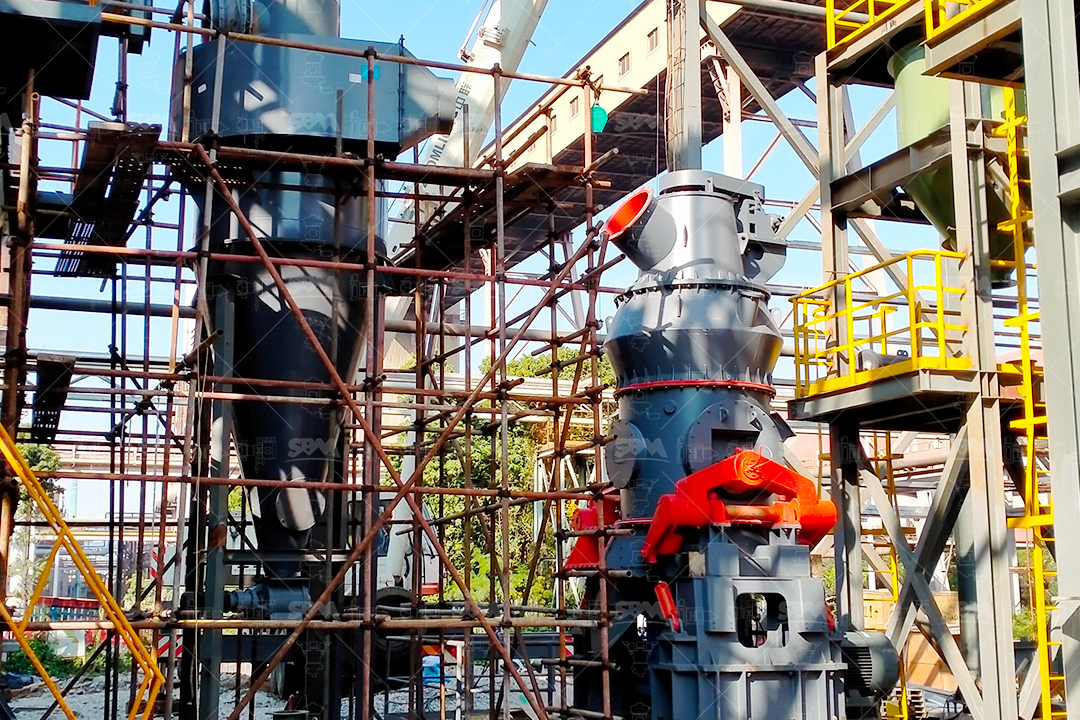
For applications demanding ultra-fine or high-purity calcium hydroxide, such as in advanced chemical processes or specialty additives, achieving fineness beyond 400 mesh is essential. Here, SCM Series Ultrafine Mills and LUM Ultrafine Vertical Mills excel. These mills can produce powders ranging from 325 to over 2500 mesh (D97 ≤ 5µm). The LUM model, for instance, integrates advanced German powder-separation technology and Taiwan grinding roller technology to achieve exceptional classification accuracy. This ensures a narrow particle size distribution with no coarse powder spillover, resulting in a superior, uniform product. The intelligent control systems in these mills allow for precise, real-time adjustments to grinding pressure and classifier speed, enabling producers to tailor the output to exact customer specifications reliably.
Beyond performance, environmental responsibility is a non-negotiable aspect of modern industrial operations. All these advanced grinding systems are designed with sustainability in mind. Fully sealed structures operating under negative pressure prevent dust emissions, while integrated high-efficiency bag filter and pulse dust collection systems ensure that exhaust meets stringent international environmental standards. Additionally, optimized designs for low vibration and noise, along with sound insulation features, contribute to a better and safer workplace environment.
In conclusion, the evolution of calcium hydroxide production is closely tied to advancements in grinding technology. By moving from conventional, high-consumption systems to intelligent, integrated mills, producers can directly address the critical pain points of cost, quality, and compliance. The right grinding solution acts as the cornerstone of a profitable, sustainable, and future-ready calcium hydroxide production line.
Frequently Asked Questions (FAQs)
1. We struggle with high energy costs and frequent wear part replacement in our current grinding process. What solution offers the most significant operational cost reduction?
Vertical Roller Mills (like the LM series) are specifically engineered to tackle these issues. Their grinding mechanism consumes 30-40% less energy than traditional ball mills. Furthermore, the use of high-quality materials for rollers and tables, combined with a design that minimizes direct metal-to-metal contact, dramatically extends component life, reducing both spare part costs and downtime for maintenance.
2. Our end-users require very consistent and ultra-fine calcium hydroxide powder (below 5µm). Can your equipment guarantee this level of fineness and uniformity?
Absolutely. Our Ultrafine Vertical Mill (LUM series) and SCM Ultrafine Mill are designed for this exact purpose. They incorporate high-precision, multi-rotor powder classifiers that ensure accurate particle size cuts. The result is a consistently fine product (D97 ≤ 5µm) with a tight particle size distribution and no contamination from coarse particles, which is critical for high-value applications.
3. Dust control and environmental compliance are major concerns for our plant. How do your mills address pollution?
All our advanced mills feature a wholly sealed structure that operates under negative internal pressure. This design principle inherently prevents dust from escaping the system. Coupled with high-efficiency pulse jet bag filter systems, the collected dust is returned to the process, and clean exhaust is released, ensuring emissions easily meet national and international environmental protection standards.
4. We have limited space for expanding our production line. Is there a compact grinding solution that doesn't sacrifice capacity?
Yes. The Vertical Roller Mill is an ideal choice for space-constrained facilities. By integrating multiple functions (drying, grinding, separation) into one unit, its system layout is very compact, occupying approximately 50% of the space required by a conventional ball mill system of similar capacity. It can also be installed outdoors, further saving valuable indoor space.
5. We need to produce different powder fineness for various customers. How easily can your mills adjust to changing product specifications?
Modern mills are built for flexibility. Equipped with PLC/DCS automatic control systems and frequency converters, key parameters like grinding pressure, mill speed, and—most importantly—classifier speed can be adjusted quickly from a central control panel. This allows for fast and stable switching between different fineness targets (e.g., from 200 mesh to 800 mesh) without requiring lengthy mechanical changes or process shutdowns.


