

Calcium carbonate mill line & powder uses
Published on: October 26, 2023
The processing of calcium carbonate (CaCO3) from raw limestone into a versatile industrial powder is a cornerstone of modern manufacturing, touching industries from plastics and paints to pharmaceuticals and construction. Achieving the desired fineness, purity, and production efficiency, however, presents significant challenges, including high energy consumption, equipment wear, and environmental compliance. This article explores the transformative role of advanced grinding technologies—specifically the MTW European Trapezium Mill, LM Vertical Roller Mill, and Ultrafine Vertical Mill—in overcoming these hurdles. We will delve into how these integrated mill lines not only optimize the grinding process for both Ground Calcium Carbonate (GCC) and Precipitated Calcium Carbonate (PCC) applications but also unlock the material's full potential across a diverse spectrum of end-uses, ensuring profitability and sustainability for producers worldwide.
The journey of calcium carbonate begins with quarried limestone, which must be precisely crushed, classified, and ground to unlock its value. The choice of grinding technology is critical, as it directly impacts particle size distribution (crucial for opacity and reinforcement in plastics), brightness, and overall system efficiency. Traditional ball mills, while reliable, often struggle with high specific energy consumption and considerable wear on grinding media, leading to elevated operational costs and product contamination.
This is where modern, engineered solutions make a definitive impact. For instance, the MTW Series European Trapezium Grinding Mill represents an evolution of the classic Raymond mill. Its innovative design addresses core client pain points directly. The unique curved shovel blade design and wear-proof perching knife significantly reduce the frequency and cost of replacing vulnerable parts. Furthermore, its cone gear whole transmission system and optimized arc air duct design enhance mechanical efficiency and pneumatic conveying, respectively, leading to more stable operation and lower power consumption per ton of output. This mill is exceptionally well-suited for producing calcium carbonate powders in the range of 30-400 mesh, commonly used in building materials, industrial fillers, and environmental desulfurization processes.
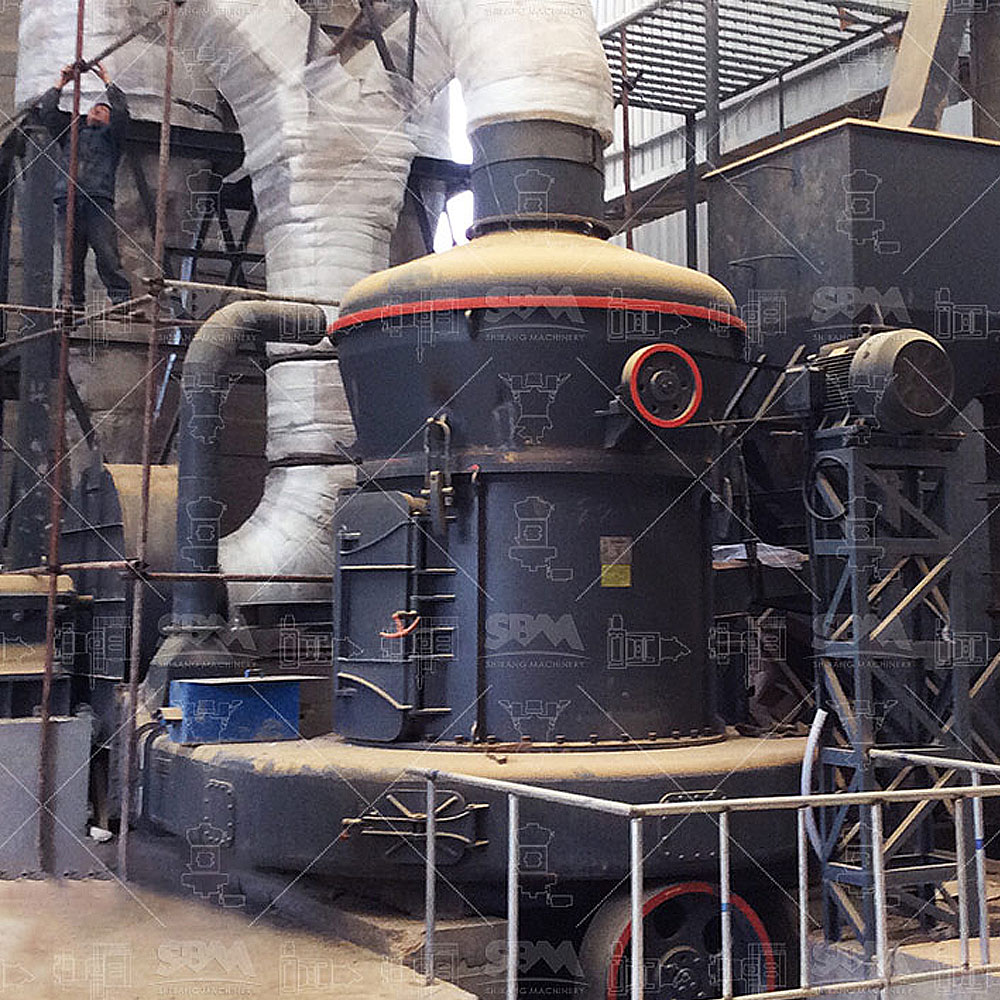
For larger-scale production requiring even greater efficiency and integration, the LM Vertical Roller Mill offers a paradigm shift. Its core advantage lies in its integrated design, which consolidates drying, grinding, classification, and conveying into a single, compact unit. By grinding material directly on a rotating table with rollers, it achieves up to 40% lower energy consumption compared to traditional ball mill systems. The direct grinding principle also results in less metal-to-metal contact and reduced wear, extending maintenance intervals. Its ability to handle moist feed materials and operate under a fully sealed, negative-pressure system makes it an environmentally sound choice, virtually eliminating dust emissions. This makes the LM series ideal for high-volume production of GCC for paper, paint, and adhesive industries.
As market demands push towards nano and ultrafine applications (above 1250 mesh), specialized equipment becomes necessary. The LUM Ultrafine Vertical Roller Mill and SCM Ultrafine Mill are engineered for this precision frontier. Integrating advanced grinding roller technology with high-efficiency turbine classifiers, these mills can produce powders with fineness up to D97 ≤ 5µm (approx. 2500 mesh). The intelligent PLC control system allows for precise adjustment of grinding pressure and classifier speed, ensuring consistent product quality for high-value applications. This level of fineness is critical for enhancing the mechanical properties, surface finish, and functional performance of calcium carbonate in masterbatch, high-end PVC, silicone sealants, pharmaceuticals, and food-grade products.
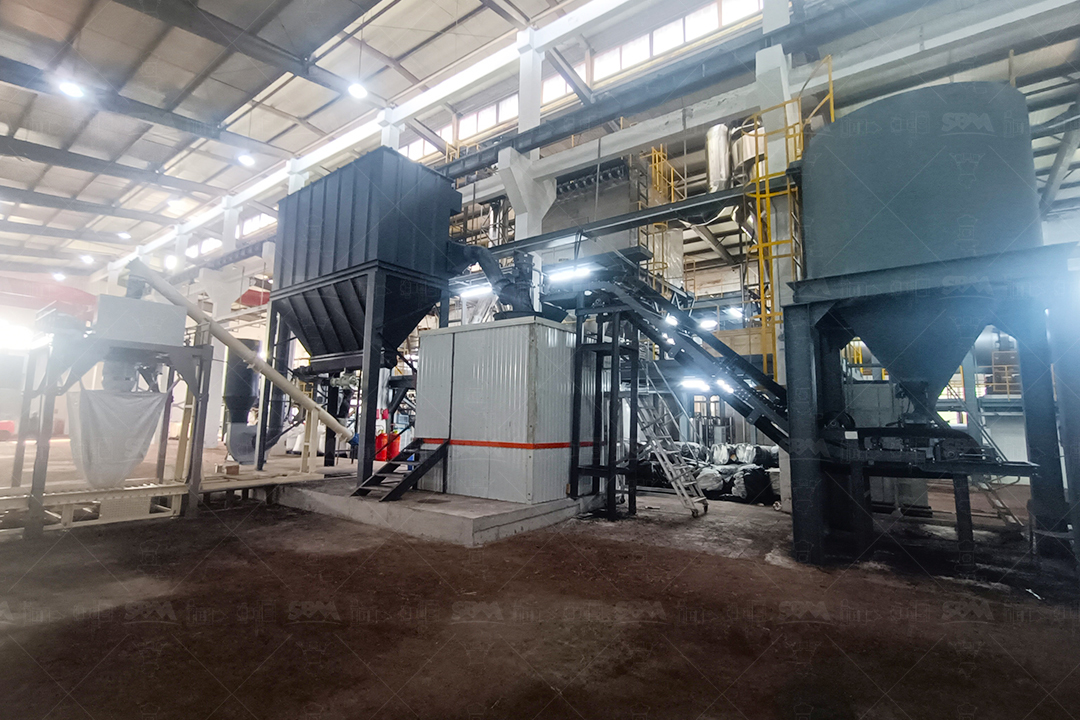
The resultant calcium carbonate powder is a workhorse of industry. In plastics and polymers, it acts as a cost-effective filler and reinforcing agent, improving stiffness and impact strength. In paints and coatings, it provides opacity, improves rheology, and reduces VOC content. The paper industry relies on it as a coating and filler to enhance brightness, opacity, and printability. Beyond these, its uses extend into ceramics, rubber, sealants, animal feed, and even as a dietary calcium supplement. The specific mill line configuration—from pre-crushing to final classification—is tailored to the target industry's stringent requirements for particle size, shape, and chemical purity.
In conclusion, navigating the complexities of calcium carbonate processing requires more than just a mill; it demands a holistic system solution focused on total cost of ownership, product quality, and environmental stewardship. By leveraging technologies like the energy-efficient Vertical Roller Mill for bulk production or the precision-focused Ultrafine Mill for specialty grades, producers can transform raw limestone into a high-performance material that meets the exacting standards of tomorrow's markets. The right grinding philosophy, embodied in advanced, reliable equipment, is the key to unlocking both the mineral's potential and the operator's profitability.
Frequently Asked Questions (FAQs)
1. What are the main challenges in grinding calcium carbonate, and how do modern mills address them?
The primary challenges are high energy consumption, rapid wear of grinding parts (leading to contamination and downtime), difficulty in achieving consistent ultrafine fineness, and dust control. Modern mills like the LM Vertical Roller Mill tackle this with integrated grinding-drying systems that cut energy use by up to 40%, use special alloy rollers/rings for longer life, employ advanced classifier technology for precise particle size control, and operate under negative pressure for dust-free operation.
2. For a new plant, should I choose a Vertical Roller Mill or a Trapezium Mill for producing 400-mesh GCC?
The choice depends on capacity and raw material moisture. For large-scale production (e.g., over 30tph) or if your limestone has significant moisture, the LM Vertical Roller Mill is superior due to its integrated drying capability, lower energy footprint, and compact layout. For medium-scale, drier feedstock, the MTW European Trapezium Mill offers excellent reliability, easier maintenance, and lower initial investment.
3. How can I produce calcium carbonate powder above 1250 mesh for high-end plastics, and is it stable?
Producing stable, high-volume ultrafine powder (1250-4000 mesh) requires technology like the LUM Ultrafine Vertical Mill or SCM Ultrafine Mill. Their multi-rotor classifiers and precise grinding curve design ensure accurate top-cut sizing and prevent coarse particle spillover. With intelligent PLC systems automatically adjusting key parameters, these mills deliver remarkable consistency in fineness and quality, which is essential for high-value composites.
4. How significant is the environmental benefit of these newer mill systems?
It is substantial. Modern systems are designed as fully sealed circuits operating under negative pressure, preventing any powder leakage. Pulse jet bag filter systems ensure dust emissions are far below national standards. Additionally, their higher efficiency directly reduces per-ton carbon emissions from power consumption, while features like optimized sound insulation mitigate noise pollution.
5. We experience frequent vibration and unplanned downtime with our old mill. How is operational stability ensured?
Stability is engineered into the newer designs. For example, the LUM Ultrafine Vertical Mill features a heavy-duty rotor design and undergoes rigorous dynamic balancing, eliminating vibration. The automatic control system (PLC/DCS) continuously monitors and adjusts grinding pressure and feed rates, preventing overloads and ensuring smooth, continuous operation with minimal need for manual intervention, thereby maximizing uptime.


