

Guangdong double fly powder equipment?
Published on: October 26, 2023
In the dynamic industrial landscape of Guangdong, achieving efficient, reliable, and high-quality powder processing is a cornerstone for success across sectors like building materials, chemicals, mining, and new energy materials. This article explores the critical role of advanced grinding equipment in meeting these demands, focusing on innovative solutions designed to address common operational challenges such as high energy consumption, inconsistent product fineness, and significant maintenance costs. We will delve into the technical specifications and advantages of several cutting-edge mill types, including the European Trapezium Mill, Vertical Roller Mill, Ultrafine Mill, Ultrafine Vertical Mill, and optimized Ball Mill, highlighting their applications in processes from environmental desulfurization to high-precision mineral grinding. By understanding the capabilities of these systems, businesses in Guangdong and beyond can make informed decisions to enhance productivity, reduce total operational costs, and maintain a competitive edge in the global powder processing industry.
The foundation of any successful powder processing operation lies in selecting the right equipment for the specific material and desired output. Traditional grinding methods often fall short in terms of efficiency and control. Modern mills, however, are engineered to integrate multiple functions—crushing, drying, grinding, and classification—into streamlined systems. For instance, the Vertical Roller Mill (VRM) represents a significant leap forward. By integrating drying, pulverizing, and powder-selection into a single unit, it offers a compact footprint, often reducing the required floor space by approximately 50% compared to conventional ball-milling systems. This integration not only lowers initial capital investment but also simplifies the entire workflow. Furthermore, its design ensures the grinding rollers do not directly contact the grinding plate, utilizing high-quality materials to drastically reduce wear. This translates to longer component life and substantially lower operating costs, with energy consumption reported to be 30-40% lower than traditional systems. The inclusion of an expert automatic control system allows for seamless remote operation, optimizing performance and minimizing labor requirements.
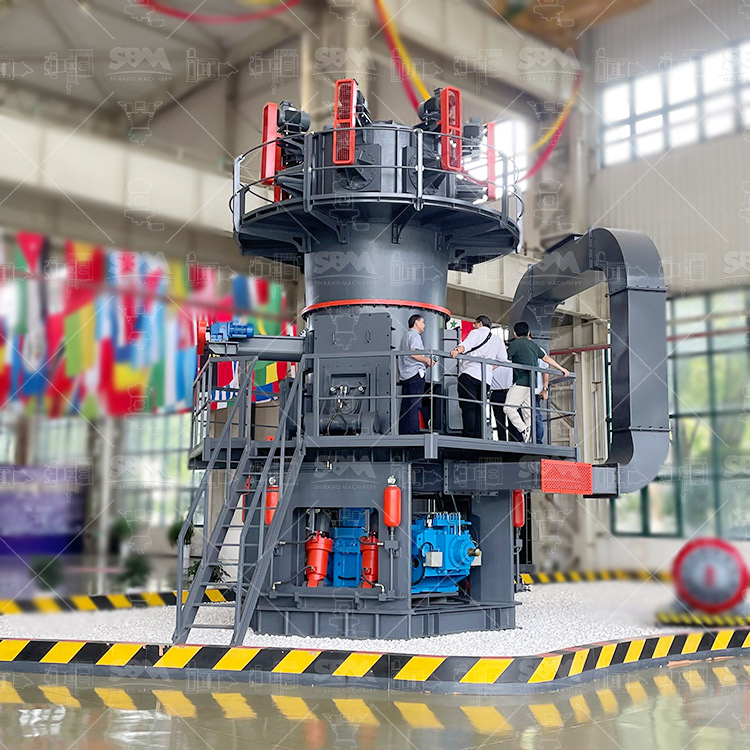
When the requirement shifts to ultra-fine powders, specialized equipment becomes paramount. The SCM Series Ultrafine Mill and LUM Ultrafine Vertical Mill are designed to produce powders with fineness ranging from 325 to an exceptional 4000 mesh. This capability is crucial for industries like plastics masterbatch, high-end coatings, and advanced ceramics. The LUM model, integrating German powder-separating technology, employs a multi-rotor classifier principle. This allows for precise, customizable fineness with no low-grade material spillover, ensuring consistently high product quality. A key advantage of these ultrafine systems is their high output relative to energy input; some models boast more than double the capacity of jet mills while consuming 30% less energy. Intelligent control systems provide automatic feedback and frequency-conversion control, enabling fast and stable adjustments to product specifications. Environmental compliance is also built-in, with fully sealed systems operating under negative pressure to prevent dust spillover, and advanced noise reduction technologies ensuring operations meet stringent environmental standards.
For applications requiring robust and proven technology, the evolved Ball Mill and the MTW Series European Trapezium Grinding Mill offer reliable solutions. The modern Ball Mill has been optimized to address historical pain points like rapid wear of metal balls and high energy use. Through improved structural design and the adoption of advanced materials, the cost and frequency of spare part replacement have been significantly reduced. Meanwhile, the MTW European Trapezium Mill incorporates several patented technologies that enhance durability and efficiency. Its cone gear whole transmission system provides higher mechanical efficiency in a compact design. The unique curved shovel blade design is a notable innovation; it not only changes the feeding angle for better material handling but also allows for the replacement of only the blade itself during maintenance, drastically cutting down on wear part costs and downtime. The arc air duct design minimizes pneumatic energy loss, ensuring efficient material transport within the system.
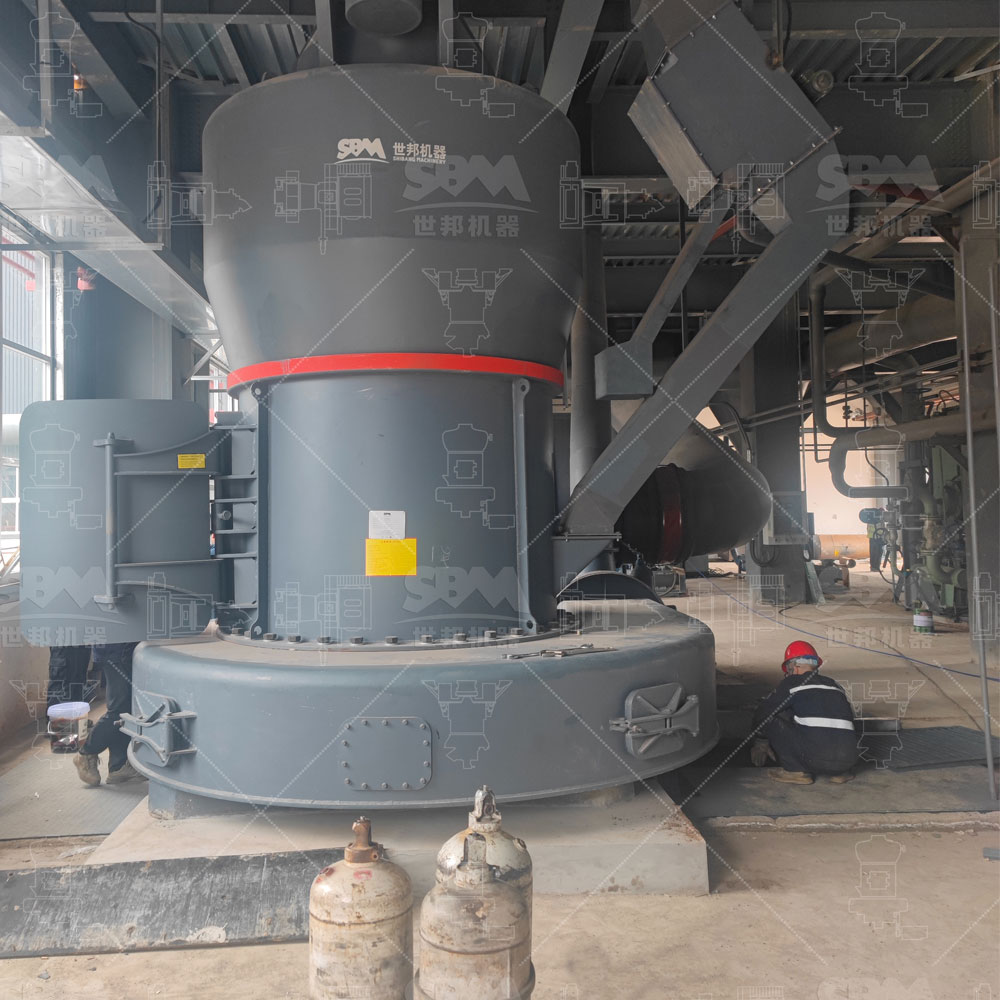
Ultimately, the choice of grinding equipment is a strategic decision impacting long-term profitability and product quality. Factors such as feed size (from 0-50mm for coarse grinding to 0-20mm for ultrafine), desired output fineness (from 30 mesh to 4000 mesh), and required capacity (from 0.5 tph to 400 tph) must be carefully evaluated. The common thread among all advanced solutions is a focus on lowering the total cost of ownership. This is achieved through designs that minimize energy consumption, reduce wear part expenses, automate operational controls, and ensure environmental compliance. For businesses in Guangdong's intensive industrial zones, investing in such technology not only solves immediate production challenges but also builds a foundation for sustainable growth and adaptation to future market demands in the global powder processing landscape.
Frequently Asked Questions (FAQs)
1. What are the main ways to reduce the high energy consumption of traditional grinding systems?
Modern mills like Vertical Roller Mills and Ultrafine Mills are designed for high efficiency. They integrate multiple processes and use advanced grinding principles (e.g., material-bed grinding) to achieve the same or higher output with 30-40% lower energy consumption compared to traditional ball mills or jet mills.
2. How can we minimize frequent and costly maintenance downtime for wearing parts like rollers and rings?
Opt for mills with innovative wear-part designs. For example, some models feature combined-type or curved shovel blades where only the blade needs replacement, not the entire assembly. Others use special, durable materials for rollers and rings and employ designs that prevent direct metal-to-metal contact, extending service life by several times.
3. Our product requires very consistent and high fineness (e.g., over 2500 mesh). Is reliable equipment available?
Yes. Ultrafine Vertical Mills and SCM Ultrafine Mills are specifically engineered for this purpose. They incorporate high-precision, multi-rotor powder classifiers and intelligent control systems that allow precise fineness adjustment within a range up to 4000 mesh, ensuring consistent quality without coarse powder spillover.
4. We have limited factory space. Can advanced grinding systems fit into compact layouts?
Absolutely. Integrated mills like the Vertical Roller Mill combine crushing, drying, grinding, and separation into one unit, offering a very compact footprint. They can reduce the floor space requirement by about 50% compared to traditional multi-equipment systems and can even be arranged outdoors.
5. How do modern grinding systems address environmental and noise pollution concerns in industrial areas?
Leading equipment is designed with full-sealed systems that operate under negative pressure, effectively preventing any dust spillover. Additionally, features like optimized sound insulation rooms, mufflers, and stable vibration-free operation ensure noise levels are kept very low, helping plants meet strict national environmental standards.


