

Xinjiang power plant desulfurization mills
Published: October 26, 2023
Effective flue gas desulfurization (FGD) in power generation hinges on the consistent production of high-quality limestone powder. For power plants in Xinjiang and similar regions, achieving this reliably while managing operational costs, energy consumption, and stringent environmental standards presents a significant challenge. This article explores how modern, specialized grinding technology provides a total solution, addressing the core pain points in desulfurization mill operations through enhanced efficiency, reliability, and environmental compliance.
The cornerstone of any wet limestone FGD system is the preparation of the absorbent—finely ground limestone slurry. The performance of the grinding mill directly influences desulfurization efficiency, reagent consumption, and overall plant operating costs. Traditional milling solutions often struggle with inconsistent particle size distribution, high wear part replacement frequency, and excessive energy draw, leading to unpredictable maintenance schedules and suboptimal FGD performance. In the demanding operational environment of a power plant, equipment reliability and system stability are non-negotiable.
_1770708039813.jpg)
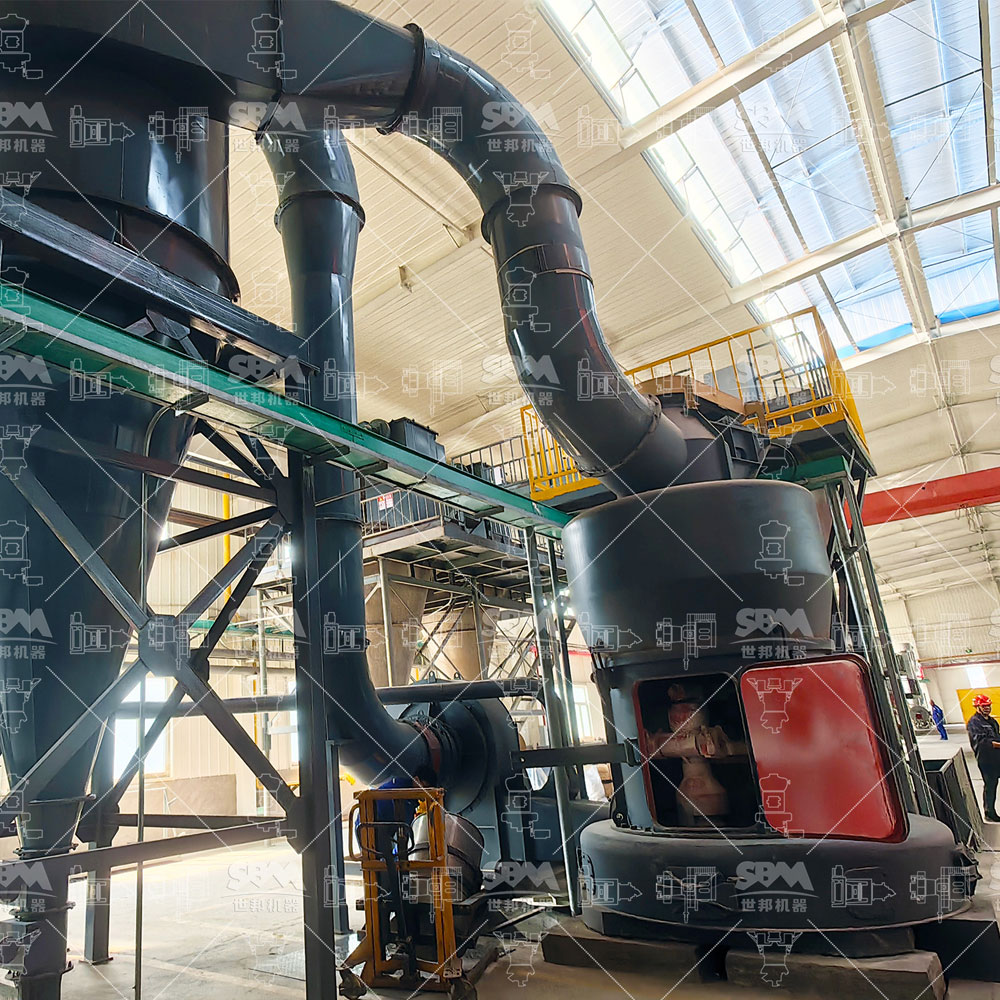
This is where engineered grinding systems make a definitive impact. For large-scale power plants requiring high-capacity limestone preparation, the Vertical Roller Mill (VRM) represents a paradigm shift. Its integrated design combines drying, grinding, classification, and conveying into a single, compact unit. The significant advantage lies in its drastically lower specific energy consumption—typically 30% to 40% less than traditional ball mill systems. Furthermore, its grinding principle, where rollers press on a rotating table, results in remarkably lower wear rates for grinding components. The system operates under negative pressure, ensuring a dust-free environment and contributing to a cleaner, safer plant. For projects where space is at a premium or for retrofitting existing facilities, its compact footprint, roughly 50% of a ball mill system, offers substantial civil cost savings.
When the application demands even finer powders or operates at a slightly different scale, the European Trapezium Mill offers a robust and efficient alternative. Its design incorporates several patented technologies aimed at operational longevity and cost-effectiveness. The cone gear whole transmission ensures smooth, high-efficiency power transfer with minimal energy loss. A key feature for maintenance teams is the unique wear-proof shovel blade design; only the blade itself needs replacement during service, not the entire assembly, slashing downtime and spare parts inventory costs. The arc air duct design minimizes pneumatic resistance, optimizing the internal airflow for efficient material transport and classification within the mill.
For power plants pursuing ultra-high efficiency or those processing limestone with specific reactivity profiles, ultrafine grinding solutions unlock further potential. Ultrafine Vertical Mills and SCM Series Ultrafine Mills can produce powders with a fineness up to 4000 mesh. This extreme fineness dramatically increases the surface area of the limestone, enhancing its reactivity in the desulfurization scrubber. This can lead to reduced limestone consumption, lower waste gypsum production, and potentially higher SO2 removal rates. These mills incorporate advanced classifier technology to ensure precise particle size cuts and feature intelligent control systems that automatically adjust key parameters like grinding pressure and classifier speed, maintaining optimal product quality with minimal manual intervention.
Ultimately, selecting the right grinding technology is not merely about purchasing a machine; it's about investing in a guaranteed process outcome. A total solution provider analyzes the specific limestone characteristics, required capacity, product fineness, and plant integration points to recommend a system engineered for success. With a global track record of serving the power industry, expertise spans from initial consultation and custom system design to installation support and lifecycle service. The goal is to deliver a desulfurization milling system that operates as a reliable, efficient, and compliant cornerstone of the power plant's environmental control strategy, ensuring consistent performance year after year.
Frequently Asked Questions (FAQ)
- What are the main operational cost drivers for a desulfurization limestone mill, and how can they be minimized?
The primary costs are energy consumption and wear part replacement. Solutions like Vertical Roller Mills directly address these by offering 30-40% lower energy use and designs that utilize high-quality materials and grinding principles (e.g., non-contact grinding in VRMs) to extend component life, sometimes by multiples, drastically reducing cost per ton. - How does particle size distribution from the mill affect our FGD system's efficiency and reagent use?
Inconsistent or overly coarse limestone powder reduces reactivity in the scrubber, leading to higher limestone consumption, increased solid waste (gypsum), and potential failure to meet emission targets. Advanced mills with precise, adjustable classification systems ensure a stable, optimal fineness, maximizing SO2 absorption and minimizing reagent waste. - We have limited space in our plant for expansion. Are there compact grinding system options?
Yes. Modern Vertical Roller Mills integrate multiple processes (crushing, drying, grinding, separation) into a single, vertical unit. Their footprint can be up to 50% smaller than traditional ball mill circuits and they can often be installed outdoors, significantly reducing spatial and civil work requirements. - Dust control is a major concern for plant safety and environmental compliance. How is this managed?
Engineered mills like VRMs and European Trapezium Mills are designed as fully sealed systems that operate under negative pressure. This means any leakage is inward, preventing limestone dust from escaping into the plant environment. This is complemented by high-efficiency bag filter systems, ensuring emissions are well within national standards. - How can we achieve more stable and automated operation to reduce labor dependency and human error?
Contemporary grinding systems come equipped with expert automatic control systems (PLC/DCS). These systems allow for remote monitoring and control, automatic adjustment of grinding pressure and classifier speed based on feed rate, and free switching between operating modes. This ensures consistent product quality, optimizes energy use, and reduces the need for constant manual adjustment.


