

Solving noise in "wear-resistant" mills
Published: October 26, 2023
Noise pollution in industrial grinding operations is more than just an environmental compliance issue; it is a significant indicator of mechanical inefficiency, accelerated wear, and hidden operational costs. While many mills are marketed as "wear-resistant," excessive noise often reveals underlying problems with transmission systems, material impacts, air flow dynamics, and structural vibrations. This article explores the root causes of noise in grinding mills and presents integrated engineering solutions that address both acoustic emissions and wear mechanisms simultaneously, drawing from advanced mill designs that prioritize longevity, energy efficiency, and operator well-being.
The persistent hum, rumble, or high-frequency screech from a mill is rarely just "background noise." It frequently stems from metal-to-metal contact in poorly lubricated gear systems, imbalanced grinding components causing vibration, turbulent or restricted air flow in the conveying ducts, or the impact of hard materials against inadequately dampened surfaces. In traditional designs, a focus solely on hardening wearing parts like rollers and rings can sometimes exacerbate noise issues if the overall system dynamics are ignored. True wear resistance must encompass the entire grinding ecosystem.
One of the primary sources of noise and wear is the transmission system. Conventional gear drives can generate significant acoustic energy due to friction and imprecise meshing. Advanced solutions employ Cone Gear Whole Transmission technology. This design uses large-diameter integral bevel gears for direct drive, eliminating auxiliary components like reducers. The result is not only a compact footprint but also smoother power transfer with markedly reduced friction, gear clash, and consequently, operational noise. This seamless transmission directly contributes to the longevity of the drive system, aligning wear resistance with acoustic performance.
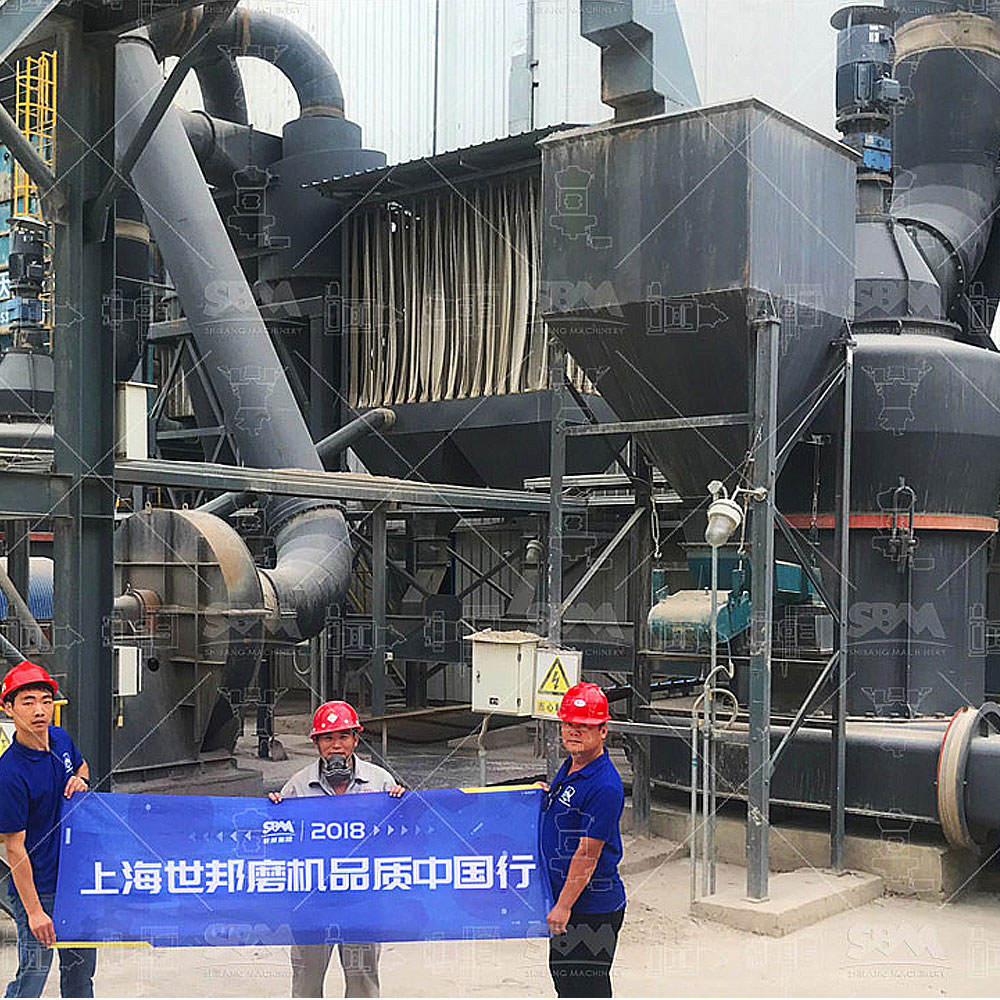
Airflow management within the mill is another critical, yet often overlooked, factor. Turbulent air flues create whistling, howling, and energy loss. The implementation of an Arc Air Duct Design revolutionizes this aspect. By replacing sharp-angled ducts with a smooth, volute-shaped airway, air resistance is minimized, allowing material to flow with the air current efficiently and quietly. This design is complemented by a wear-resistant volute lining, protecting the duct from abrasive particles and preventing degradation that could alter airflow and increase noise over time. It’s a perfect example of where durability and noise reduction are achieved through intelligent geometry.
For operations requiring very fine or ultra-fine powders, the challenge intensifies. High-speed rotation and classifier systems can become dominant noise sources. Modern Ultrafine Vertical Mills tackle this through systemic design. The integration of grinding, separation, and transportation into a single, stable platform minimizes chaotic movement. Features like a heavy, balanced rotor design and the absence of rolling bearings in the grinding chamber prevent vibration at its source. Furthermore, optimized sound insulation rooms and mufflers are engineered to contain and dampen high-frequency noise at the point of generation, ensuring the surrounding environment remains compliant and comfortable.
The grinding elements themselves—rollers, rings, and liners—are, of course, central to the wear-noise relationship. A simple harder material is not always the answer. Innovations like the Unique Wear-Proof Perching Knife (Shovel Blade) Design in trapezium mills use curved, combined-type blades. These blades feed material onto the grinding bed at an optimal angle, reducing direct, abrasive sliding and violent impact. This gentler action lessens the abrasive wear on both the blade and the grinding ring while simultaneously dampening the sharp, percussive sounds associated with material entry. It’s a design philosophy that reduces the acoustic signature by refining the very process of comminution.
Finally, operational intelligence plays a growing role. Automatic Control Systems with PLC/DCS integration allow for precise, stable control of grinding pressure, roller speed, and classifier rotation. By maintaining optimal and consistent operating parameters, the mill avoids the erratic, load-varying conditions that often lead to spikes in noise and irregular wear patterns. Stable operation is quiet operation. This intelligent control, often accessible via remote monitoring, also allows for predictive maintenance, addressing minor issues in components like bearings or liners before they fail noisily and catastrophically.
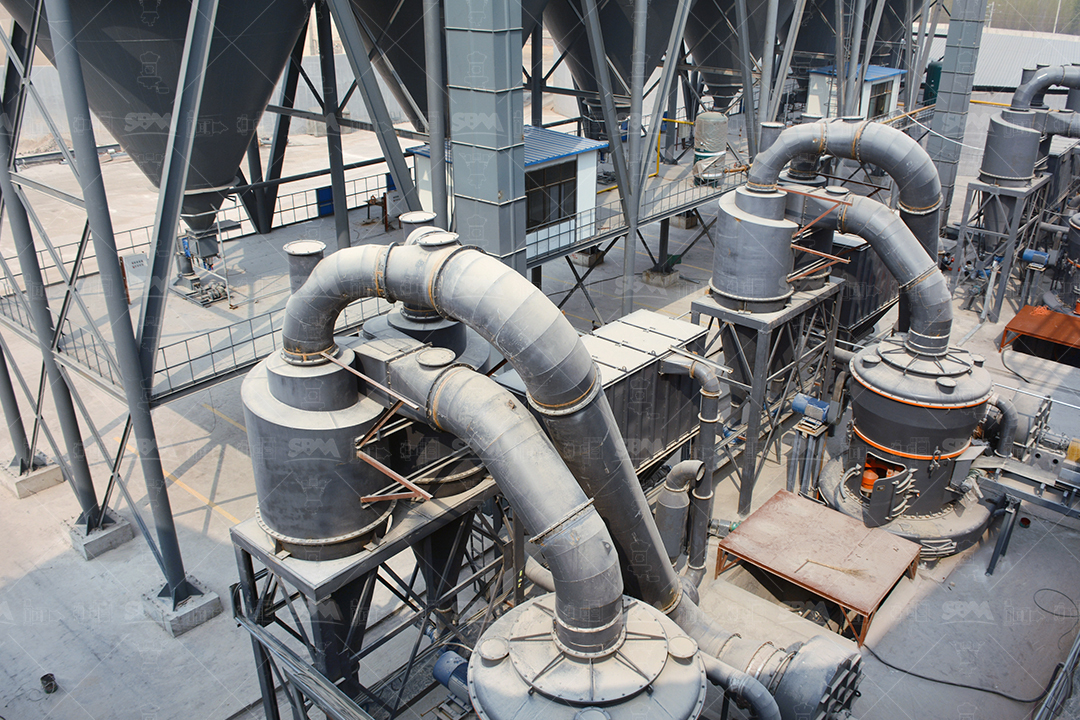
In conclusion, solving noise in wear-resistant mills requires moving beyond a component-level view to adopt a holistic, system-level engineering approach. True advancement lies in integrating quiet, efficient power transmission, streamlined aerodynamic design, vibration-dampened structural integrity, intelligent process control, and wear-part geometry that minimizes impact. By viewing low noise not just as a regulatory target but as a hallmark of mechanical excellence and efficiency, operations can achieve the dual triumph of extended equipment life and a safer, more sustainable working environment. The future of grinding is not just harder, but smarter and quieter.
Frequently Asked Questions (FAQs)
- Our mill is advertised as wear-resistant, but it's incredibly loud. Does high noise always mean something is wrong?
Not always, but frequently. While some operational noise is normal, a significant or sudden increase often indicates issues like improper lubrication, imbalanced rotating parts, worn gears/bearings, or obstructed airflow. It can be a leading indicator of accelerated wear and future mechanical failure. - Can we just add external sound insulation to our existing noisy mill?
While enclosures and mufflers can help meet decibel limits, they are a secondary solution. They do not address the root cause of the noise, which is often tied to inefficiency and wear. Investing in a mill designed with inherent low-noise features (like whole gear transmission and arc air ducts) is more effective for long-term performance and cost savings. - We need ultra-fine grinding (over 1000 mesh). Won't such high fineness inevitably lead to more noise and faster wear?
Not with modern designs. Advanced ultrafine vertical mills utilize multi-rotor classifiers and stable grinding chambers that achieve high fineness through precision and stability, not just brute force. Features like heavy, balanced rotors and no-bearings-in-the-chamber designs specifically combat the vibration and wear associated with fine grinding, keeping noise and maintenance low. - How does improving airflow (like with an arc duct) reduce wear on grinding parts?
Smooth, efficient airflow ensures material is transported away from the grinding zone promptly. This prevents over-grinding and the buildup of fine powder that can act as an abrasive layer between rollers and the grinding table. Reduced recirculation and turbulence mean less unnecessary wear on components and a more consistent, quiet product flow. - Do automated control systems really make a difference in noise and wear, or are they just for convenience?
They make a critical difference. Manual or inconsistent operation leads to fluctuating grinding pressure and feed rates, causing vibrations, shocks, and uneven loading on wearing parts. An expert automatic control system maintains optimal, stable parameters, ensuring smooth operation that minimizes acoustic spikes and promotes even, predictable wear on liners and rollers.


