

Sbm hgm100 desulfurization mill project
Published on: October 26, 2023
Flue Gas Desulfurization (FGD) represents a critical challenge for power plants and heavy industries worldwide, demanding reliable, efficient, and cost-effective limestone powder preparation systems. The SBM HGM100 Desulfurization Mill Project embodies a tailored engineering solution designed to address the core pain points of high operational costs, inconsistent fineness, and stringent environmental compliance. By leveraging SBM's decades of expertise in mineral processing and grinding technology, this project integrates the advanced HGM series mill—a system specifically optimized for producing high-quality limestone powder with precise particle size distribution essential for efficient SO2 absorption. This article explores the technical architecture, operational advantages, and project implementation insights of the SBM HGM100 system, highlighting its role as a cornerstone for sustainable industrial operations.
The heart of any effective wet flue gas desulfurization system lies in the quality and consistency of the limestone reagent. Traditional grinding solutions often struggle with the dual demands of high throughput and ultra-fine particle size (typically required at 325-400 mesh for optimal reactivity), leading to inefficient desulfurization rates and increased consumption of raw materials. The SBM HGM100 mill is engineered to overcome these limitations. Its design philosophy centers on creating a stable material bed for grinding, utilizing a proprietary configuration of grinding rollers and rings made from special wear-resistant materials. This not only enhances grinding efficiency but also dramatically extends the service life of wearing parts, a significant concern for plant managers facing frequent downtime and high maintenance costs.
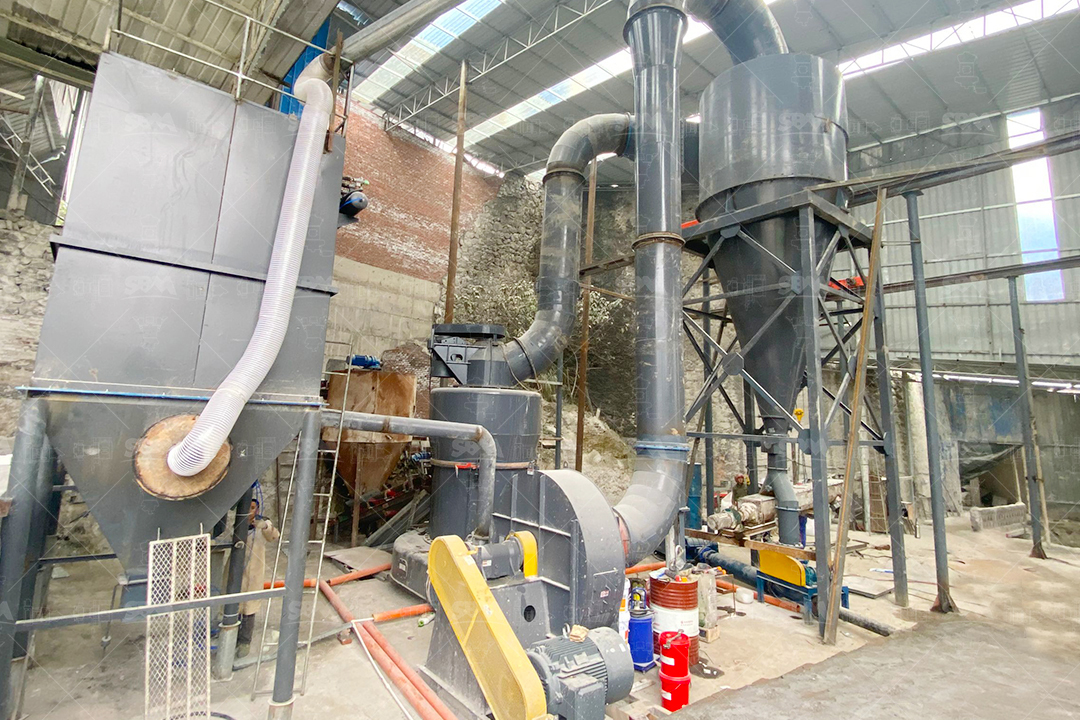
One of the standout features of the HGM100 system is its intelligent integration of drying, grinding, and classification within a single, compact footprint. For project sites with space constraints, this integrated design reduces the plant's overall layout area by approximately 50% compared to conventional ball mill systems. The grinding process itself is highly energy-efficient. The mill's grinding rollers apply pressure directly to the material bed on the grinding plate, achieving pulverization with lower energy consumption—reports from operational sites indicate savings of 30% to 40% over traditional milling systems. This directly addresses the perennial industry pain point of soaring energy costs.
Operational stability and control are paramount for continuous FGD operations. The HGM100 project incorporates an advanced automatic control system based on PLC/DCS technology. This system allows for precise, remote monitoring and adjustment of critical parameters such as grinding pressure, classifier speed, and feed rate. The result is a remarkable consistency in product fineness, with the mill capable of achieving a one-time finished product fineness of D97 ≤ 5µm. This level of control ensures the limestone powder meets the exact specifications for the desulfurization tower, maximizing the SO2 removal efficiency and minimizing reagent waste.
Environmental compliance extends beyond the primary function of SO2 reduction. The HGM100 mill is designed as an environmentally friendly unit in its own right. The entire grinding system operates under negative pressure, preventing any dust spillage into the workshop. Coupled with high-efficiency pulse dust collectors, the dust emission is maintained far below international standards. Furthermore, optimized sound insulation and muffler designs effectively contain operational noise, protecting the workplace environment and contributing to broader corporate social responsibility goals.
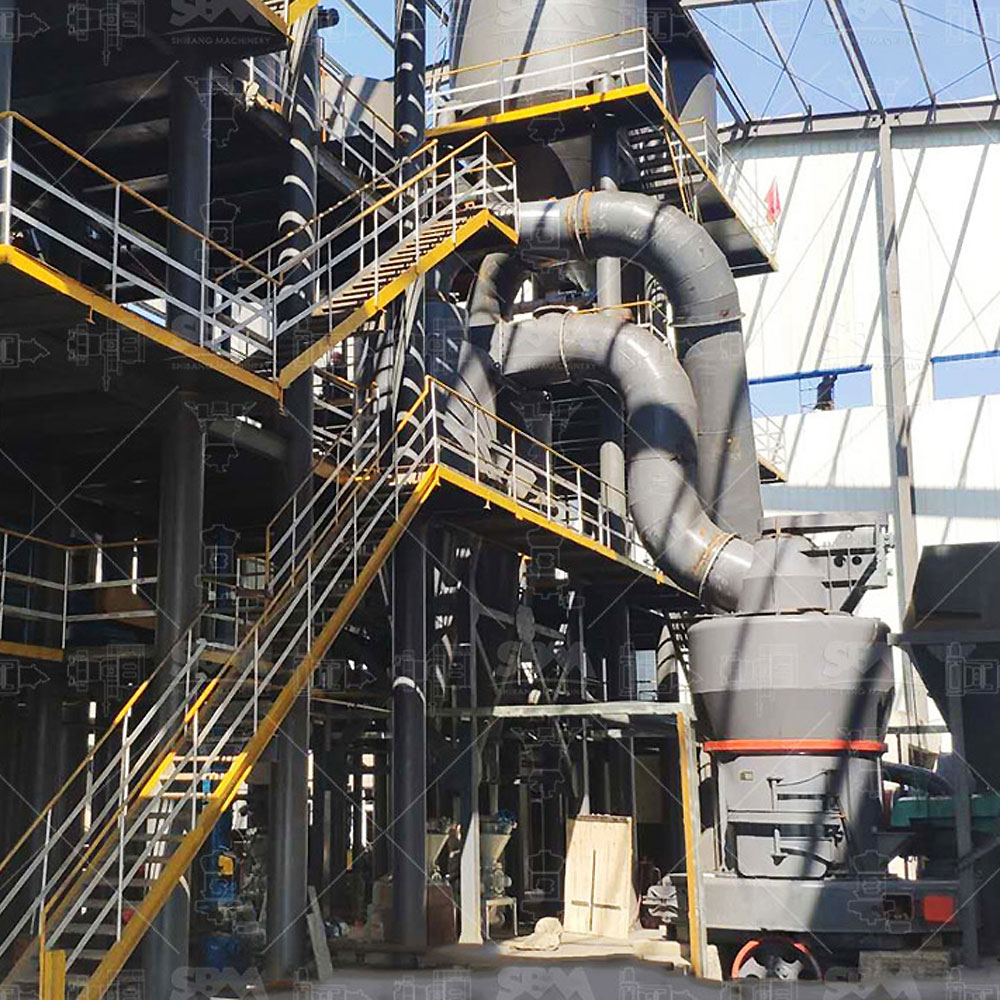
From a project lifecycle perspective, the HGM100 solution emphasizes low total cost of ownership. The reduced wear on components, coupled with the simplified maintenance design—such as the combined-type shovel blade that allows for partial replacement—lowers long-term operational expenditures. The system's robustness and high availability ensure that power plants can maintain consistent FGD operations without unplanned shutdowns, which is critical for meeting strict environmental regulations and avoiding substantial non-compliance penalties. SBM's global service network, built on experience serving over 180 countries, provides comprehensive support from installation and commissioning to ongoing technical service and spare parts supply, ensuring the project's success throughout its operational life.
In conclusion, the SBM HGM100 Desulfurization Mill Project is more than just an equipment installation; it is a holistic performance guarantee for limestone powder preparation. It tackles the essential challenges of efficiency, cost, reliability, and environmental stewardship head-on. By adopting this advanced milling technology, industries can transform their FGD process from a compliance necessity into a model of operational excellence and sustainable practice.
Frequently Asked Questions (FAQs)
Q1: What is the typical particle size range (fineness) achievable with the HGM100 mill for desulfurization limestone powder, and how consistent is it?
A: The SBM HGM100 mill is precisely engineered to produce limestone powder within the 325 to 400 mesh range, which is the optimal size for efficient reaction in wet FGD scrubbers. Through its advanced classifier and stable grinding bed, it can consistently achieve a one-time fineness of D97 ≤ 5µm, ensuring high reactivity and minimal waste of raw limestone.
Q2: How does the HGM100 system address the high wear and maintenance costs associated with grinding abrasive limestone?
A: The system utilizes grinding rollers and rings made from special, proprietary wear-resistant materials, significantly extending their service life. Key components like the shovel blade feature a combined design, allowing for the replacement of only the worn blade section, not the entire part, drastically reducing spare parts costs and maintenance downtime.
Q3: Our plant has limited space. Is the HGM100 system a suitable choice?
A: Absolutely. One of the core advantages of the HGM100 vertical mill design is its integrated system that combines multiple functions (drying, grinding, separation). This results in a very compact layout, occupying about 50% of the space required by a traditional ball mill circuit, making it ideal for retrofit projects or new installations with space constraints.
Q4: We are concerned about energy consumption. What are the efficiency features of this mill?
A: The HGM100 employs a highly efficient grinding principle where rollers directly grind materials on a plate, forming a stable material bed. This method, combined with an efficient drive system, typically reduces energy consumption by 30% to 40% compared to conventional ball milling systems for the same output and fineness, offering substantial operational cost savings.
Q5: How does the system ensure environmental protection beyond SO2 reduction, particularly regarding dust and noise?
A: The entire milling system is sealed and operates under negative pressure, preventing any dust from escaping. It is equipped with high-efficiency secondary dust collection (cyclone + pulse dust collector), ensuring emissions are well below national standards. Furthermore, the mill is designed with vibration-damping foundations, sound insulation chambers, and mufflers to effectively control operational noise, ensuring full-site environmental compliance.


