

Quartz, quartz powder, quartz mills, uses
Published on: October 26, 2023
Quartz, one of the most abundant and versatile minerals on Earth, forms the backbone of numerous modern industries. Its transformation from raw ore into precisely graded quartz powder is a critical process, demanding efficiency, precision, and reliability. This article explores the journey of quartz, the pivotal role of advanced quartz mills in its processing, and the diverse applications of the final powder. We will delve into how modern grinding technology, exemplified by SBM Machinery's engineered solutions, addresses core industry challenges—such as high energy consumption, inconsistent fineness, and operational costs—to unlock quartz's full potential in sectors ranging from electronics and composites to construction and renewable energy.
Quartz (SiO2) is prized for its hardness, chemical inertness, thermal stability, and piezoelectric properties. In its natural state, it is merely raw potential. The value is unlocked through comminution—crushing and grinding—to produce quartz powder of specific particle size distributions (PSD). The desired fineness, ranging from coarse grits to micron and sub-micron levels, directly dictates the powder's performance in its end-use. This makes the selection of the grinding mill not just an operational decision, but a strategic one impacting product quality and market competitiveness.
The evolution from traditional ball mills to advanced, specialized grinding systems marks a revolution in quartz processing. Older technologies often grapple with excessive wear, high energy intensity, and limited control over particle morphology. Modern mills are engineered to overcome these hurdles. For instance, the LM Vertical Roller Mill integrates crushing, drying, grinding, and classification in a single, compact unit. Its design, where grinding rollers operate on a bed of material without direct metal-to-metal contact, significantly reduces wear on components. This translates to lower maintenance costs and consistent product quality over longer operational periods. Furthermore, its energy efficiency, reported to be 30-40% lower than traditional ball milling systems, addresses one of the most persistent pain points in mineral processing: operational expense.
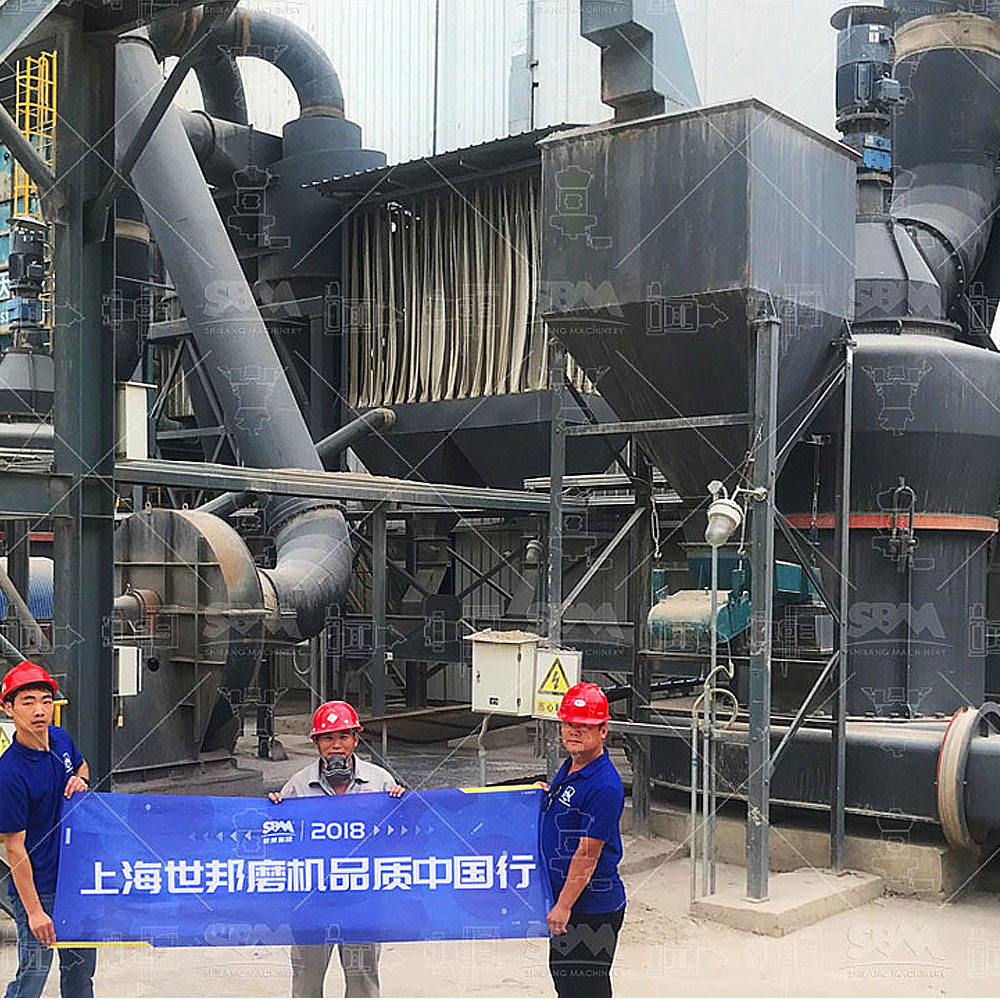
For applications demanding ultra-fine quartz powder, such as high-performance plastics, sealants, or advanced ceramics, specialized equipment is paramount. The SCM Ultrafine Mill and LUM Ultrafine Vertical Mill are designed for this frontier. These mills can achieve fineness levels up to 4000 mesh (D97 ≤ 5µm), a feat unattainable for standard Raymond mills. Key to their performance is advanced classification technology. The LUM mill, for example, utilizes a multi-rotor powder classifier ensuring precise particle size cuts and eliminating coarse powder spillover. This results in a narrow, consistent PSD, which is critical for enhancing the mechanical strength, clarity, and functional performance of quartz-filled products. The intelligent control systems in these mills allow for stable, automated operation, ensuring repeatable quality batch after batch while minimizing labor intervention.
Beyond fineness, operational stability and environmental compliance are non-negotiable in today's industry. Modern quartz mills are designed as closed, negative-pressure systems. This design philosophy, evident in models like the MTW European Trapezium Mill with its arc air duct, contains dust completely, protecting worker health and meeting stringent international emission standards. Additionally, features like optimized sound insulation and internal lubrication systems contribute to a cleaner, quieter, and more sustainable plant operation—turning an environmental mandate into an operational advantage.
The applications of processed quartz powder are vast and growing. In polymers and engineered stone, it acts as a reinforcing filler, improving durability and reducing cost. In electronics, high-purity quartz is essential for silicon wafers and crucibles. The construction industry relies on it for high-strength concrete, mortars, and epoxy resins. Even the push for sustainability leverages quartz powder in coatings, adhesives, and as a raw material for solar silicon. Each application has a unique "sweet spot" in terms of particle size, shape, and chemical purity, underscoring the need for flexible and precise milling solutions that can be tailored to specific outcomes.
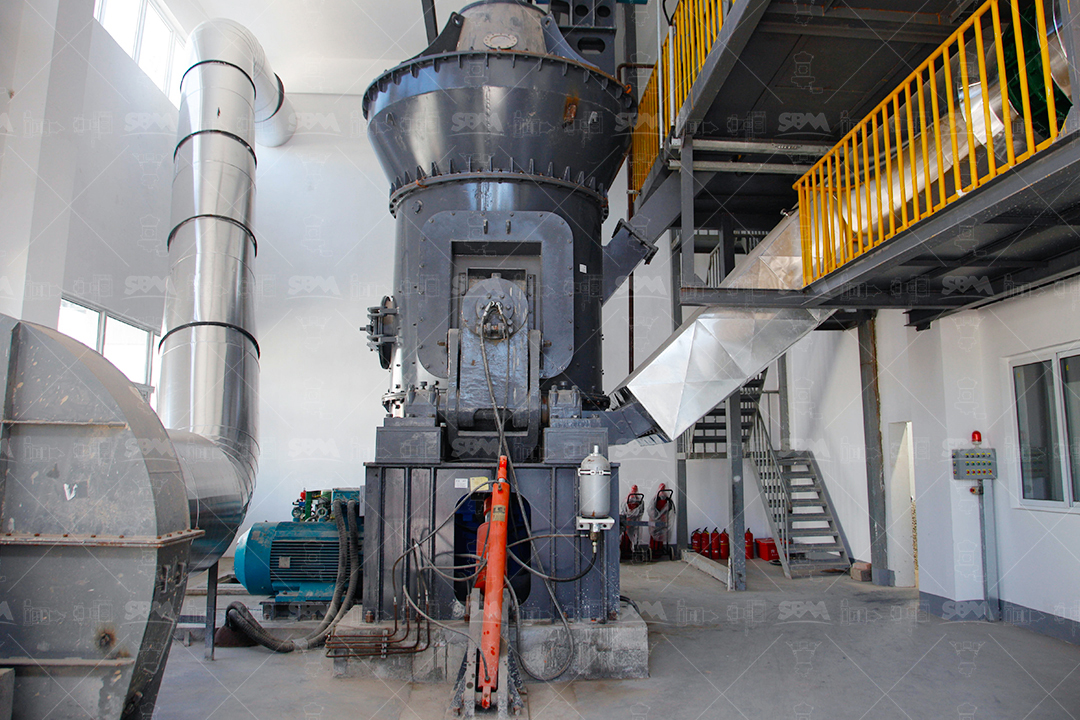
In conclusion, the journey from raw quartz to high-value powder is a testament to technological advancement. By moving beyond one-size-fits-all milling, industry leaders can now select purpose-built equipment that delivers precise fineness, exceptional energy efficiency, and robust, low-maintenance operation. This capability transforms quartz from a commodity mineral into a sophisticated engineering material, driving innovation across global markets. The future of quartz processing lies in smart, integrated systems that not only grind but also optimize the entire production stream for maximum yield, quality, and return on investment.
Frequently Asked Questions (FAQs)
Q1: Our current quartz grinding setup suffers from high energy bills and rapid wear of grinding media. What is the most effective way to reduce our operating costs?
A: Consider transitioning to a vertical roller mill (like the LM series) or an advanced trapezium mill (like the MTW series). Their grinding mechanisms (bed compression) and use of high-wear-resistant materials for rollers and rings drastically reduce specific energy consumption (by 30-40%) and extend component life, directly lowering your cost per ton of powder produced.
Q2: We need to produce very fine quartz powder (below 10µm) consistently, but our existing mill produces too wide a particle size distribution. How can we achieve tighter control?
A: For ultrafine applications, a mill with an integrated, high-efficiency classifier is crucial. The LUM Ultrafine Vertical Mill or SCM Ultrafine Mill feature advanced multi-rotor or turbine classifiers that provide precise size cuts, ensuring a narrow PSD and preventing coarse particle contamination, which is essential for high-end applications in composites and electronics.
Q3: Dust control in our grinding plant is a major safety and housekeeping challenge. Do modern mills help with this?
A: Absolutely. Contemporary mills from leading suppliers are designed as fully sealed systems operating under negative pressure. This means all air and material flows are contained within the circuit, with no dust spillage at transfer points. They are equipped with high-efficiency bag filter or pulse dust collectors, ensuring emissions are well below national and international standards.
Q4: We have limited floor space but need to increase our quartz powder capacity. Are there space-efficient grinding solutions?
A: Yes. Vertical roller mills and integrated grinding systems have a significantly smaller footprint compared to traditional ball mill circuits (often around 50% less). Their vertical design and integration of multiple functions (drying, grinding, separation) into a single machine make them ideal for space-constrained greenfield or brownfield expansion projects.
Q5: We process different mineral batches with varying moisture and hardness. How can we ensure stable output and product quality without constant manual adjustment?
A: Look for mills equipped with intelligent automatic control systems (like PLC/DCS). These systems can automatically adjust key parameters such as grinding pressure, classifier speed, and feed rate in response to material changes. This maintains stable operation, protects the equipment, and ensures consistent product fineness with minimal operator input, enabling remote monitoring and control.


