

Guizhou silicon carbide mill price?
Published on: October 26, 2023
The silicon carbide processing industry in Guizhou, a key hub for advanced materials in China, faces unique challenges in achieving efficient, high-quality powder production. Market dynamics, stringent environmental regulations, and the quest for superior product fineness demand robust and adaptable grinding solutions. Success hinges not just on raw material quality but significantly on the technological sophistication of the milling equipment employed. This article explores the critical technical considerations for silicon carbide powder processing in Guizhou, drawing upon extensive global engineering expertise to outline optimal pathways for enhancing yield, controlling operational costs, and meeting evolving market specifications without compromising on sustainability.
Silicon carbide (SiC), known for its exceptional hardness, thermal conductivity, and chemical inertness, presents a demanding milling application. Traditional grinding methods often struggle with high wear rates, inconsistent particle size distribution, and excessive energy consumption, directly impacting profitability. The geographical and industrial context of Guizhou further emphasizes the need for reliable, high-performance equipment that can operate efficiently within local infrastructure and regulatory frameworks.
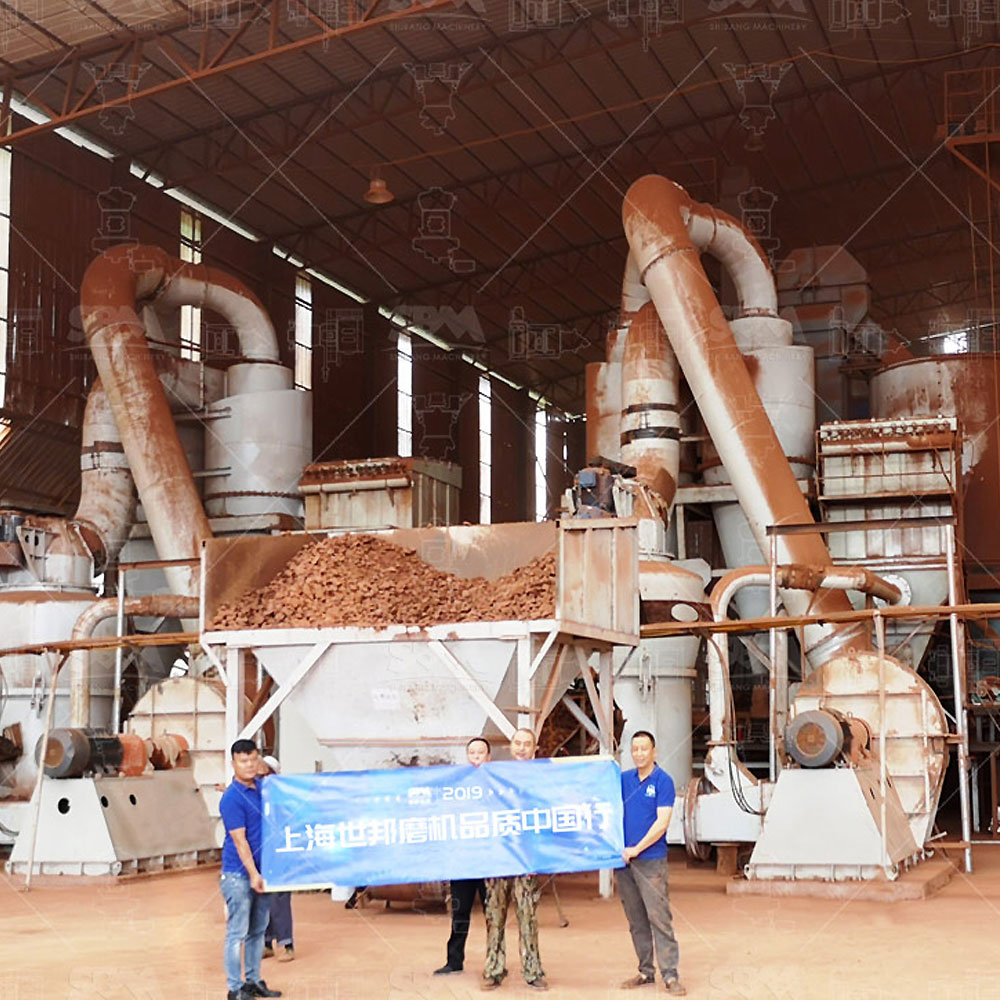 A primary consideration is the selection of a mill that balances high throughput with precise particle control. For coarse to fine grinding applications where output in the range of 30-400 mesh is required, the MTW Series European Trapezium Grinding Mill offers a compelling solution. Its design directly addresses common pain points. The unique combined-type shovel blade and curved design minimize wear on critical components, a crucial factor for abrasive materials like SiC, thereby reducing maintenance frequency and spare parts costs. Furthermore, its cone gear whole transmission system and optimized arc air duct design enhance mechanical efficiency and pneumatic conveying, leading to lower overall energy consumption—a key operational cost driver in Guizhou.
For operations targeting higher capacity or requiring integrated drying of raw materials, vertical roller technology presents a significant leap forward. The LM Vertical Roller Mill integrates crushing, grinding, drying, and classification into a single, space-saving unit. Its operational principle, where rollers grind material on a plate without direct metal-to-metal contact under most conditions, results in remarkably lower wear and vibration compared to traditional ball mills. This translates to operating costs that can be 30-40% lower, alongside a substantially smaller physical footprint, an advantage for facilities with space constraints. The built-in automatic control system allows for stable, remote operation, ensuring consistent product quality with minimal manual intervention.
As the demand for ultra-fine and high-purity silicon carbide powders grows for applications in advanced ceramics, semiconductors, and abrasives, conventional mills reach their limitations. This is where specialized ultrafine grinding equipment becomes indispensable. The SCM Series Ultrafine Mill is engineered to produce powders ranging from 325 to 2500 mesh, with one-time fineness achievable at D97≤5µm. Its high-efficiency turbine classifier ensures precise particle cut-points, preventing coarse powder spillover and guaranteeing a uniform product. The heavy-duty rotor design and use of special materials for grinding elements extend service life dramatically, making it economically viable for continuous, high-intensity ultrafine processing common in Guizhou's evolving SiC sector.
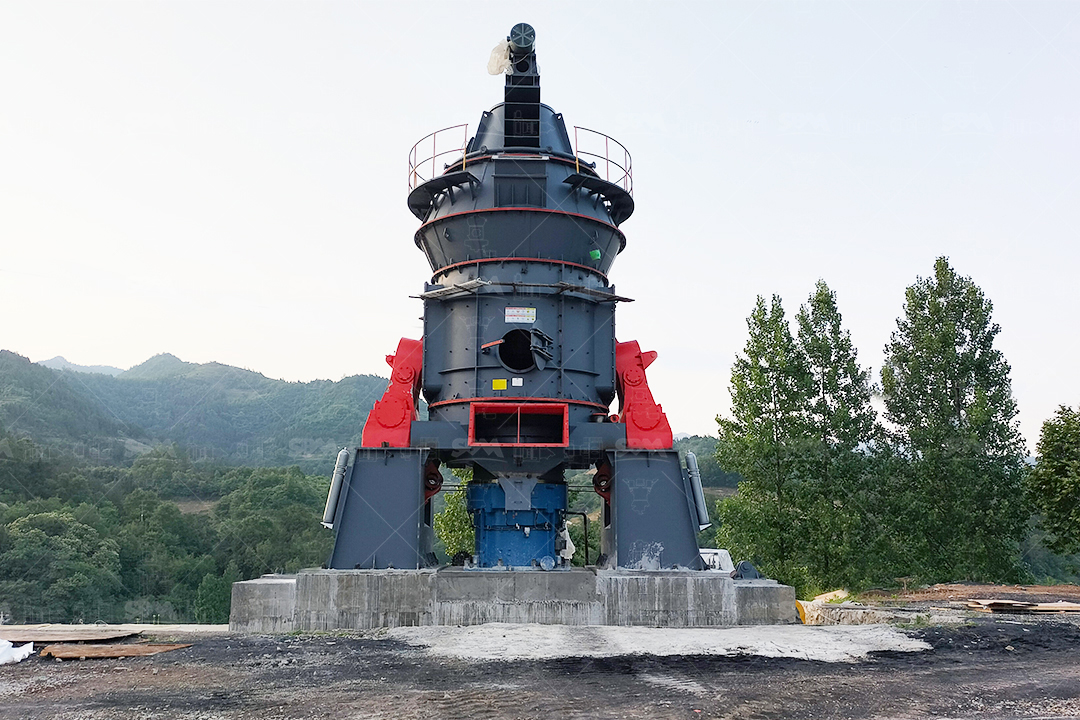 Pushing the boundaries further, the LUM Ultrafine Vertical Mill represents the pinnacle of integration and control for ultrafine grinding. Combining advanced grinding roller technology with German-inspired powder separation principles, it is specifically suited for high-value mineral processing. Its intelligent PLC/DCS control system allows for precise, automated adjustment of grinding pressure, disc speed, and classifier parameters. This level of control is critical for tailoring product fineness to exact customer specifications and maintaining batch-to-batch consistency. Moreover, its fully sealed system operating under negative pressure inherently meets stringent environmental standards, effectively containing dust—a non-negotiable requirement for modern plants in Guizhou and globally.
While mature technologies like optimized Ball Mills still have their place for specific applications, the future of efficient and competitive silicon carbide processing in Guizhou lies in adopting these advanced, integrated milling systems. The focus must shift from mere equipment purchase to investing in a total grinding solution that offers long-term reliability, energy efficiency, and operational flexibility. By leveraging such technology, producers can navigate cost pressures, meet diverse and demanding product specifications, and build a sustainable, future-ready operation in the heart of China's advanced materials industry.
Frequently Asked Questions (FAQs)
- What are the biggest operational cost drivers when milling abrasive materials like silicon carbide?
The primary costs are wear part replacement and energy consumption. Choosing a mill with specialized wear-resistant designs (like curved shovel blades or non-contact grinding rollers) and high transmission efficiency is critical to minimizing both. - How can we achieve consistent ultra-fine powder (e.g., above 1000 mesh) without frequent blockages or unstable output?
Consistency requires a mill with a highly efficient, precision turbine classifier and a stable grinding chamber. Integrated systems with automated feedback controls, like advanced vertical roller or ultrafine mills, dynamically adjust parameters to maintain stable product fineness and flow. - Our plant has limited space. Can we still upgrade to a high-capacity grinding system?
Yes. Modern vertical roller mills and integrated grinding systems are designed with a compact layout, often occupying up to 50% less space than traditional ball mill circuits while offering higher capacity, making them ideal for space-constrained upgrades. - How important is automation in grinding operations for silicon carbide?
Extremely important. Automated control systems ensure stable operation, reduce labor costs, prevent human error, and allow for remote monitoring. They are key to reproducing precise product specifications and optimizing energy use continuously. - We are under pressure to reduce environmental impact. What milling features help with dust control and noise reduction?
Look for wholly sealed systems that operate under negative pressure to prevent dust spillover. Additionally, mills designed with low-vibration principles, optimized sound insulation, and efficient pulse dust collection systems are essential for meeting strict environmental and workplace standards.


