

Dust removal in fly ash production lines
Published on: October 26, 2023
Effective dust control is a critical challenge in fly ash processing, impacting operational efficiency, equipment longevity, environmental compliance, and worker safety. Traditional dust collection methods often fall short, leading to product loss, increased maintenance, and regulatory penalties. This article explores the inherent dust generation points in fly ash production and presents advanced, integrated grinding and dust suppression solutions. By leveraging modern mill technology with built-in environmental controls, producers can achieve a cleaner, more efficient, and sustainable operation, transforming dust management from a costly burden into a value-adding process.
The journey of fly ash from a coal combustion byproduct to a valuable additive in concrete and construction materials involves several stages where fine particulates become airborne. Primary dust generation zones include the initial feed point, during grinding and classification, and at material transfer points like conveyors and silos. Uncontrolled, this not only represents a direct loss of saleable product but also accelerates wear on mechanical components, creates potential health hazards, and can lead to non-compliance with increasingly stringent global environmental standards. The key to effective management lies not just in capturing dust at the end of the process, but in minimizing its generation at the source through intelligent equipment design and process integration.
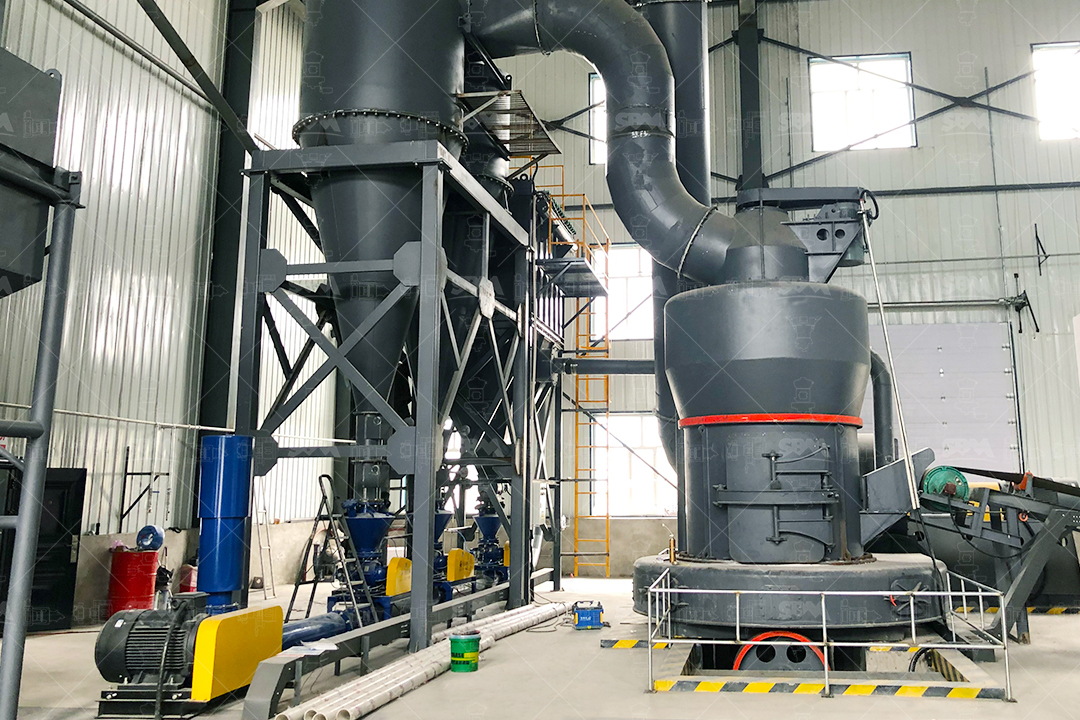
This is where the core technology of the grinding mill itself becomes paramount. A mill designed with a fully sealed system operating under negative internal pressure is the first and most effective line of defense. This principle ensures that any fine particles are drawn into the process airflow within the mill circuit rather than escaping into the plant environment. For instance, advanced vertical roller mills and European-style trapezium mills incorporate this sealed, negative-pressure design as a standard feature. Their structural integrity and precision engineering prevent leakage at joints and access points, creating a self-contained grinding environment where dust is controlled by the system's own aerodynamic flow.
Beyond sealing, the internal airflow and classification design play a crucial role. Innovations like arc air ducts and optimized volute casings ensure smooth, high-efficiency transportation of the ground material and air mixture to the downstream collector. This minimizes turbulence and energy loss, which can cause particle dropout and buildup. Furthermore, integrated high-efficiency classifiers, such as multi-rotor or vertical turbine types, perform precise particle separation inside the mill body. This ensures only product meeting the target fineness proceeds to the collection stage, while coarse material is efficiently returned for further grinding. This closed-loop internal classification reduces the load on external bag filters and cyclones, enhancing their effectiveness and lifespan.
For the final stage of dust collection, modern systems often employ a combination of high-efficiency cyclone separators and pulse-jet baghouse filters. The mill's intelligent control system seamlessly integrates with these collectors. Parameters like grinding pressure, fan speed, and classifier rotor speed can be automatically adjusted via a central PLC/DCS to maintain optimal conditions for both product quality and dust containment. For ultra-fine fly ash applications, where particles can be smaller than 5 microns, secondary collection methods or advanced bag filters with specialized media are employed to achieve collection efficiencies exceeding 99.9%, far surpassing typical regulatory requirements.
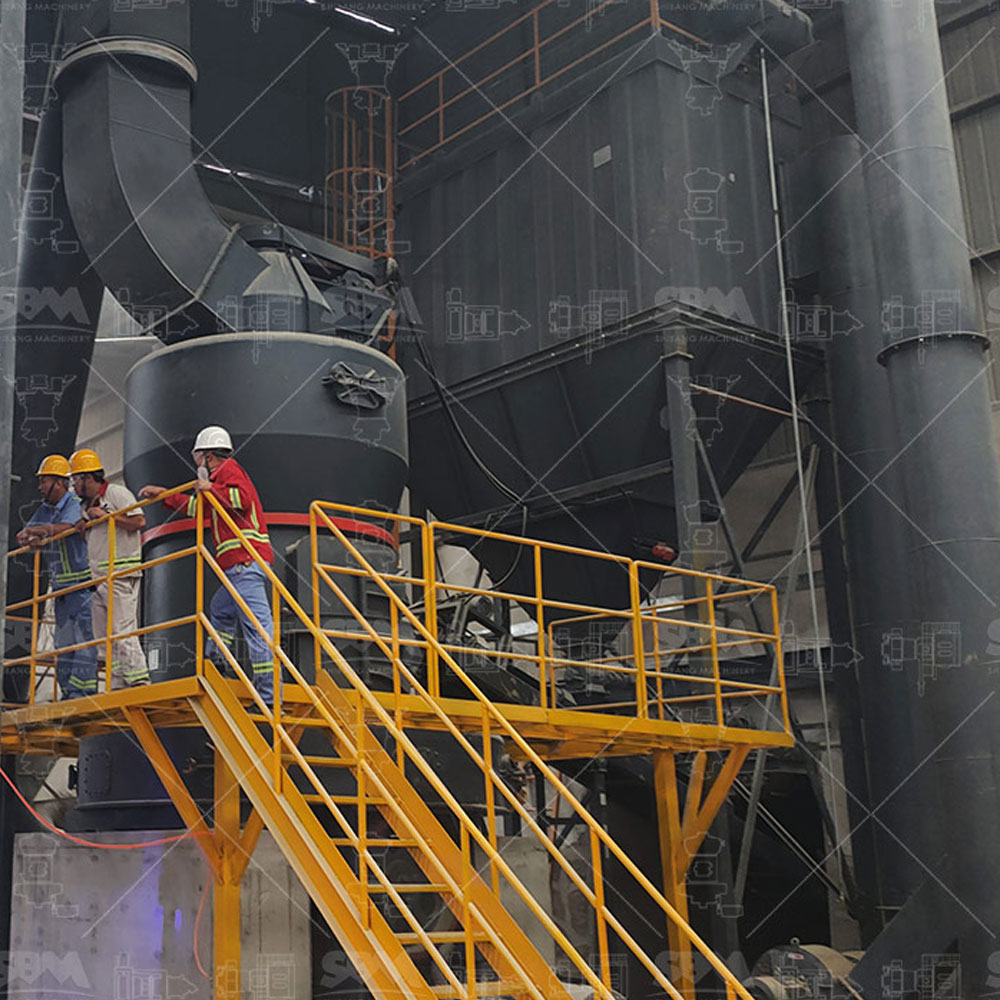
The operational benefits of such an integrated approach are substantial. Reduced dust spillage means less frequent and less intensive cleaning of the plant area, lowering labor costs. It also dramatically decreases the wear on auxiliary equipment like conveyors and elevators. Perhaps most importantly, it safeguards the health and safety of personnel by maintaining superior air quality. From a product perspective, containing the entire process within a closed system prevents contamination and ensures a more consistent, high-quality fly ash product. The advanced automatic control systems not only manage dust but also optimize the entire grinding process for lower specific energy consumption, turning environmental responsibility into direct operational savings.
In conclusion, tackling dust in fly ash production requires a holistic strategy that prioritizes prevention at the source. By selecting grinding equipment engineered with sealed designs, efficient internal material handling, and smart controls that integrate with high-performance collection technology, producers can build a production line that is inherently cleaner, more profitable, and future-proof against evolving environmental regulations. The evolution from treating dust as an externality to managing it as a core component of process design marks the path forward for the modern mineral processing industry.
Frequently Asked Questions (FAQ)
Q1: Our current fly ash grinding line has excessive dust around the mill feed inlet and product discharge areas. Is this a collection problem or a mill problem?
A: This often indicates a mill system not operating under sufficient negative pressure or with points of air ingress. Modern mills are designed as sealed systems. The solution typically involves ensuring the mill's internal fan creates proper suction and checking the integrity of seals and airlocks at all transfer points, rather than just upgrading the external baghouse.
Q2: We produce ultra-fine fly ash, and our bag filters are constantly blinding, requiring high maintenance. What are our options?
A: Blinding is common with ultra-fines. Consider systems that integrate a high-efficiency pre-classifier (like a vertical turbine classifier) inside the mill to reduce the ultra-fine load sent to the baghouse. Also, look for mills paired with pulse-jet baghouses designed for high fineness, featuring specialized filter media and optimized cleaning cycles controlled by the mill's PLC system.
Q3: How can we reduce the energy cost associated with running the large fans for our dust collection system?
A: Energy consumption is heavily tied to system airflow design. Advanced mills with features like smooth arc air ducts and low-resistance volutes require less fan power to transport material. An optimized system minimizes pressure drop across the entire circuit. Furthermore, intelligent control can modulate fan speed based on real-time production rate, saving significant energy during lower output periods.
Q4: We need to switch between producing different grades of fly ash. How does dust control handle these changes without compromising efficiency?
A: Mills with advanced, adjustable classifiers (e.g., frequency-controlled rotor speed) allow for quick fineness changes. The integrated dust control system's parameters, such as airflow volume, are automatically adjusted by the expert control system when a new product recipe is selected. This maintains optimal air-to-material ratios and collection efficiency across different product grades without manual intervention.
A: The most significant operational cost from poor dust control is often product loss—the fly ash that escapes is lost revenue. Secondary costs include increased maintenance for all plant equipment due to abrasive dust, higher energy consumption from inefficient system design, and potential regulatory fines. An integrated solution addresses the root cause, turning these costs into savings and protecting your product yield.


