

Material screening in desulfurization mills
Published on: October 26, 2023
Effective desulfurization in power plants and industrial facilities hinges on the precise preparation of limestone powder, where material selection and grinding efficiency are paramount. The choice of grinding mill directly impacts particle size distribution, reactivity, system throughput, and operational costs. This article explores the critical role of material screening in desulfurization processes and examines how modern grinding technologies address core challenges of fineness control, energy consumption, wear resistance, and system stability. By integrating advanced engineering designs—from trapezium mills to ultrafine vertical systems—operators can achieve superior sorbent quality, ensure consistent compliance with emission standards, and optimize the total cost of ownership for their flue gas desulfurization (FGD) operations.
The foundation of any efficient wet limestone flue gas desulfurization system is a high-quality limestone slurry with optimal particle size distribution. Finely ground limestone increases the specific surface area, dramatically enhancing the reaction rate with sulfur dioxide. However, achieving and maintaining this target fineness—typically ranging from 200 to 325 mesh—presents significant challenges. Traditional grinding systems often struggle with inconsistent output, high energy intensity, and rapid wear of grinding components when processing abrasive limestone, leading to unpredictable sorbent quality and frequent maintenance downtime.
This is where the strategic selection of grinding technology becomes a decisive factor. For large-scale FGD applications requiring high capacity and robust performance, the MTW Series European Trapezium Grinding Mill offers a compelling solution. Its design directly tackles common pain points. The patented curved shovel blade design and inner oil absorption lubrication system are engineered to handle abrasive materials like limestone, significantly extending the service life of critical wear parts such as rollers and grinding rings. This translates to reduced frequency of shutdowns for part replacement and lower long-term operating costs. Furthermore, its arc air duct and volute design ensure efficient material conveyance and classification within the mill, promoting a stable and consistent output of the desired fineness.
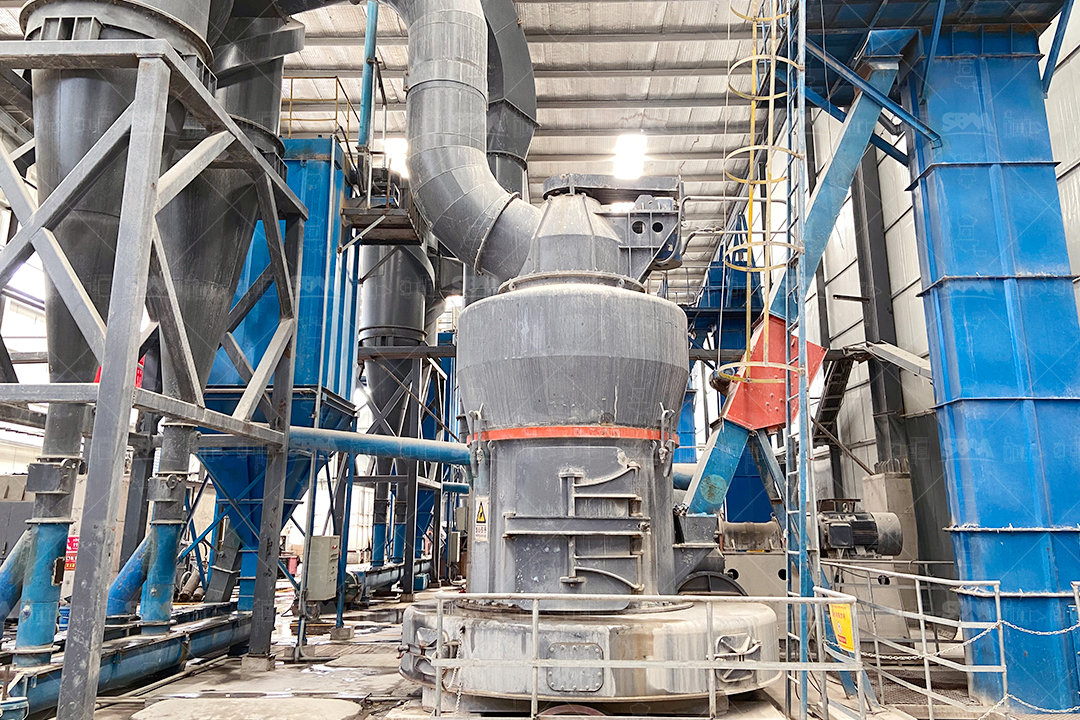
For projects prioritizing space savings, exceptional energy efficiency, and integrated drying capability, the LM Vertical Roller Mill stands out. In a single compact unit, it performs crushing, grinding, drying, and separation, making it ideal for facilities with limited space. Its grinding principle, where rollers compress material on a rotating table, is inherently more energy-efficient than traditional ball milling, often reducing power consumption by 30% to 40%. This is a critical advantage given that grinding is one of the most energy-intensive stages in sorbent preparation. The mill's operation under negative pressure also ensures a dust-free environment, aligning with stringent plant hygiene and environmental standards.
When ultra-fine or highly consistent limestone powder is required for advanced or semi-dry FGD processes, SCM Ultrafine Mill and LUM Ultrafine Vertical Mill technologies come to the fore. These systems can produce powders ranging from 325 to over 2500 mesh, offering unparalleled flexibility. The LUM series, integrating advanced grinding roller and German powder separation technology, allows for precise customization of product fineness. Its intelligent PLC control system automatically maintains optimal grinding pressure and classifier speed, ensuring the final product consistently meets the exact specifications needed for maximum SO2 removal efficiency, batch after batch.
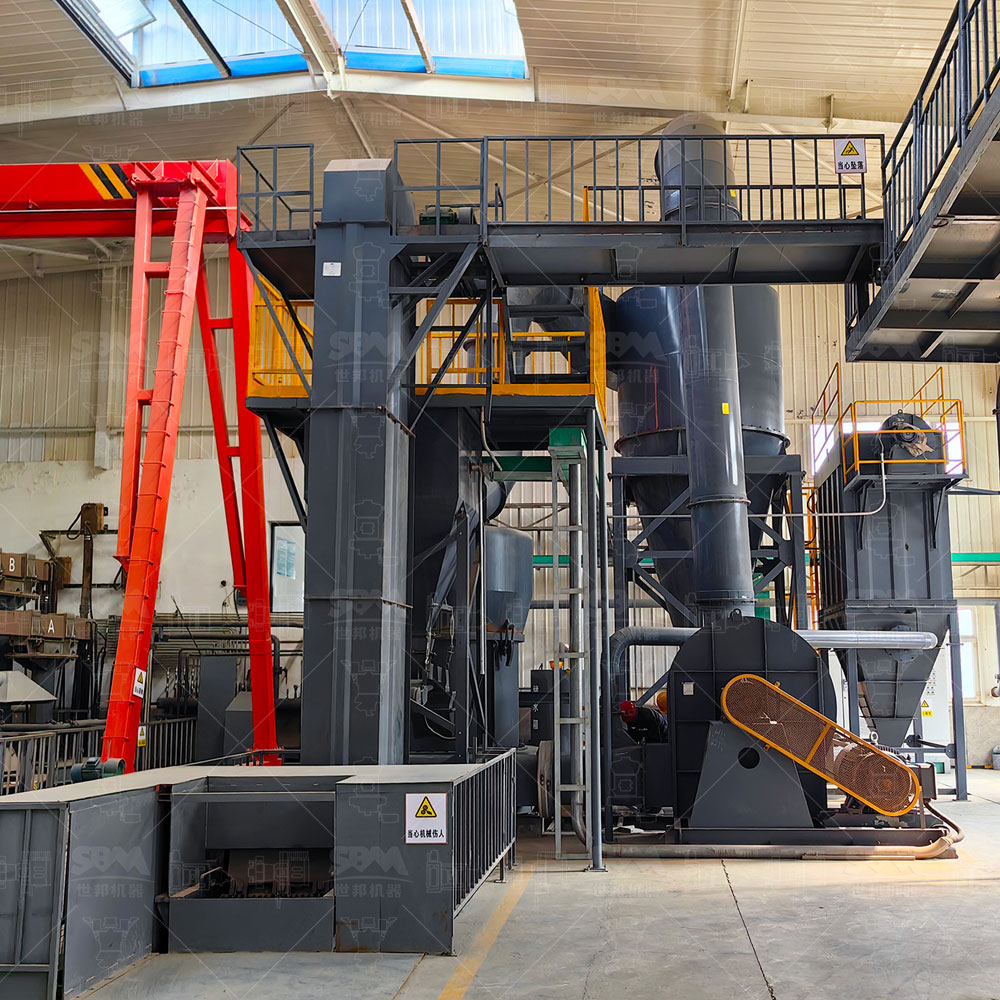
Finally, the evolved Ball Mill remains a reliable workhorse for certain applications, particularly where versatility and a proven track record are valued. Modern optimizations in liner and grinding media materials have addressed historical concerns about wear and energy use, making it a viable option for specific project profiles.
In conclusion, successful material screening for desulfurization goes beyond simply choosing a mill; it involves a holistic analysis of raw material characteristics, target fineness, plant layout, capacity needs, and total operational expenditure. The latest generation of grinding mills provides targeted solutions to the industry's most persistent challenges: achieving precise particle control, slashing energy costs, minimizing maintenance intervals, and ensuring environmentally sound operation. By leveraging these technological advancements, operators can transform their sorbent preparation from a cost center into a pillar of reliable, efficient, and compliant desulfurization performance.
Frequently Asked Questions (FAQs)
1. What is the most common cause of inconsistent limestone powder fineness in FGD systems, and how can it be resolved?
Inconsistent fineness often stems from worn grinding elements or unstable feed material characteristics. Solutions include adopting mills with advanced material technology (like the MTW's wear-proof design) and implementing automated control systems (as in the LUM mill) that dynamically adjust parameters to maintain consistent output quality despite feed variations.
2. Our plant has severe space constraints. Can we still host an efficient grinding system for desulfurization?
Absolutely. Vertical Roller Mills (like the LM series) are specifically designed with a compact footprint, integrating multiple processes into a single unit. Their layout can reduce the required floor space by up to 50% compared to traditional ball mill systems and can even be installed outdoors.
3. How can we reduce the high energy consumption of our existing sorbent grinding operation?
Energy consumption is primarily reduced by selecting a mill with a more efficient grinding principle. Vertical Roller Mills and advanced trapezium mills offer significantly lower specific energy consumption (often 30-40% less than ball mills) due to their focused grinding action and integrated high-efficiency classifiers.
4. We experience frequent downtime due to the wear of grinding parts from abrasive limestone. What are our options?
Opt for mills that prioritize wear resistance through design and material science. Look for features like combined-type shovel blades (only the tip needs replacement), special alloy rollers and rings, and lubrication systems that protect moving parts. This extends maintenance cycles and lowers the cost per ton of ground material.
5. For a new FGD project, how do we choose between different types of grinding mills?
The choice depends on a detailed project profile: required capacity (tph), target fineness (mesh), moisture content of raw limestone, available space, and automation level. A high-capacity, coarse-to-medium fineness project may suit an MTW Mill, while a need for ultra-fine powder in a compact space points towards an LUM Ultrafine Vertical Mill. A thorough technical consultation is recommended to match the technology to your specific operational goals.


