

Solving coal waste & environmental issues
Published: October 26, 2023
The global energy and industrial sectors face mounting pressure to address the dual challenges of coal waste management and stringent environmental regulations. Traditional disposal methods for coal gangue, fly ash, and petroleum coke are increasingly untenable, contributing to land degradation, air pollution, and resource inefficiency. Modern grinding technology offers a transformative pathway, converting these problematic by-products into high-value materials for construction, new energy, and chemical industries. This article explores how advanced milling systems—specifically vertical roller mills, European trapezium mills, and ultrafine grinding solutions—provide a comprehensive technical answer to these pressing issues, enabling sustainable circular economies while meeting rigorous environmental standards.
The environmental burden of coal-related waste is substantial. Coal gangue, a solid waste from mining and washing, and fly ash, a by-product of coal combustion, historically occupy vast landfill spaces, leaching potentially harmful elements and generating particulate matter. Similarly, petroleum coke from refineries presents handling and emission challenges. The key to transforming this liability into an asset lies in efficient size reduction and classification, creating consistent, fine powders suitable for downstream applications like cement additives, lightweight aggregates, soil amendments, and raw materials for advanced composites.
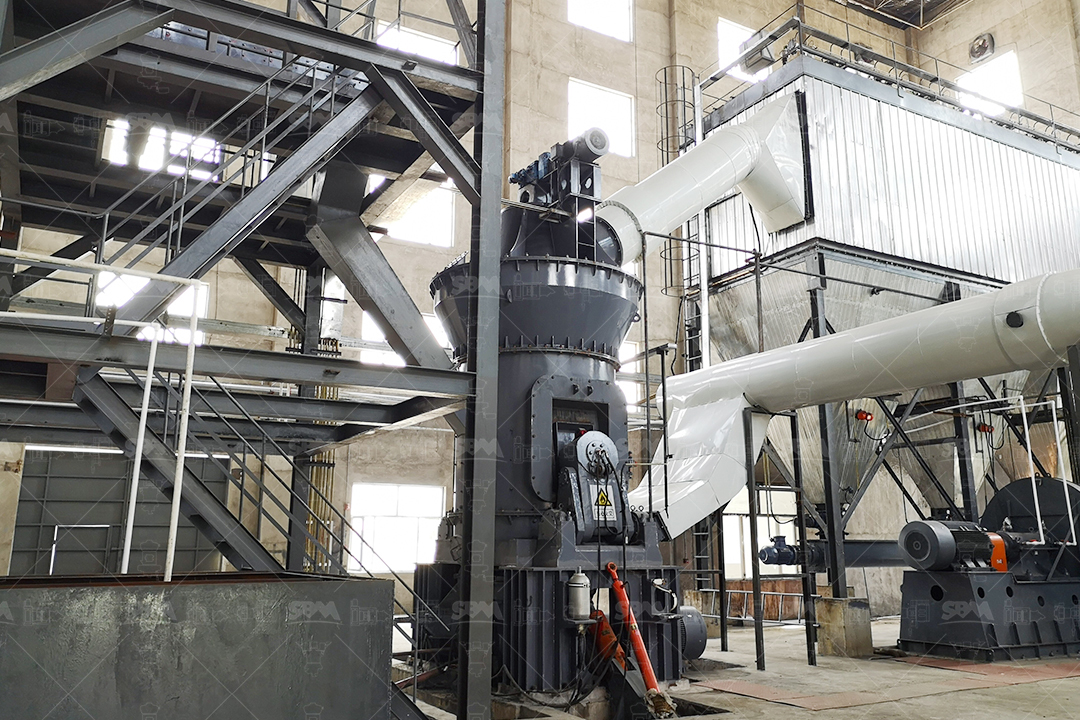
This is where engineered grinding solutions make a critical difference. General-purpose crushers and outdated mills often lack the efficiency, precision, and environmental controls needed for such demanding tasks. They may suffer from high energy consumption, excessive wear, poor product uniformity, and significant dust emissions. In contrast, purpose-built grinding systems are designed to handle the specific characteristics of industrial wastes—variable moisture, abrasiveness, and required fineness—while optimizing every step for operational economy and minimal ecological footprint.
Vertical Roller Mill (VRM) technology stands out for large-scale processing of materials like slag, petroleum coke, and desulfurization limestone. Its integrated design combines drying, grinding, and classification in a single, compact unit. A significant advantage is its lower operating cost; the grinding principle involves rollers pressing on a rotating table, consuming 30% to 40% less energy than traditional ball mill systems for the same output. The system operates under negative pressure, entirely containing dust within the circuit—a crucial feature for handling fine powders. Furthermore, its small footprint and ability to be installed outdoors reduce civil construction costs, making it an ideal solution for new waste valorization projects or plant upgrades.
For applications requiring fine to ultra-fine powders, such as converting fly ash into a high-grade pozzolan or processing coal gangue for advanced ceramics, Ultrafine Mill and Ultrafine Vertical Mill systems are indispensable. These mills can achieve fineness levels up to 4000 mesh, unlocking higher-value applications. They incorporate advanced classifier technology to ensure precise particle size distribution and high product quality. Notably, their design emphasizes energy efficiency and environmental protection. Features like efficient pulse dust collectors and sound insulation enclosures ensure emissions and noise levels are kept well below stringent national and international standards, facilitating compliance in sensitive or populated areas.
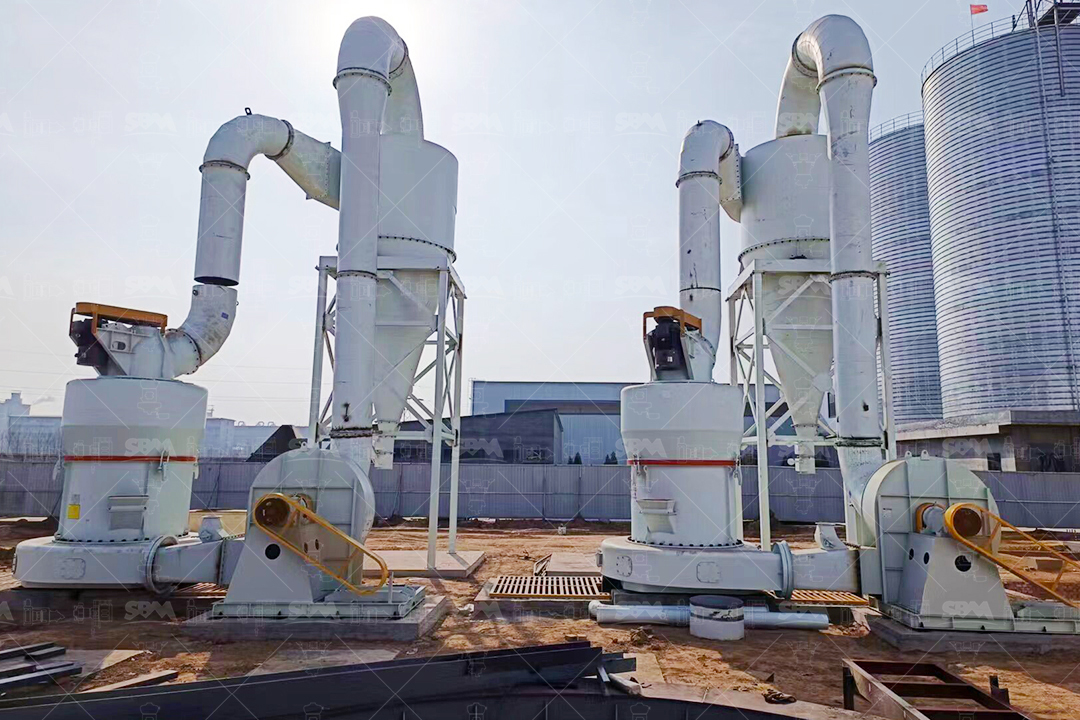
The MTW Series European Trapezium Grinding Mill represents another robust option, particularly for processing non-metallic minerals and preparing coal powder for industrial boilers or gasification. Its design innovations, such as the cone gear whole transmission and arc air duct, enhance mechanical efficiency and system stability while reducing energy loss. The unique wear-proof shovel blade design minimizes maintenance downtime and the cost of wearing parts, directly addressing the pain point of high consumable costs when processing abrasive materials. This reliability, proven across over 180 countries, makes it a cornerstone for continuous, cost-effective operation in power generation and chemical sectors.
Ultimately, selecting the right grinding technology is not merely an equipment purchase; it is an investment in a sustainable operational model. The choice depends on the specific waste stream, desired end-product specifications, required capacity, and site constraints. A total solution provider analyzes these factors to recommend a system—from a single machine to a complete, automated plant—that maximizes return on investment through lower energy use, reduced wear part consumption, minimal manpower via automated controls, and guaranteed environmental compliance. By adopting these advanced grinding solutions, industries can effectively close the loop on coal waste, turning environmental challenges into economic opportunities and contributing to a more sustainable industrial future.
Frequently Asked Questions (FAQs)
Q1: Our current mill for processing fly ash has high energy consumption and frequent maintenance stops. What solution offers better stability and lower operating costs?
A: Vertical Roller Mills are specifically engineered for such challenges. They integrate drying and grinding, consume 30-40% less energy than ball mills, and feature wear-resistant materials for longer component life. Their automatic control system ensures stable, continuous operation with minimal intervention.
Q2: We need to process coal gangue into a very fine powder (over 1000 mesh) for a new building material. Is this possible, and how can we control dust pollution?
A: Yes, Ultrafine Vertical Mills are capable of producing powders up to 4000 mesh. The entire system is sealed and operates under negative pressure, preventing dust spillover. Coupled with high-efficiency dust collectors, they easily meet strict environmental emission standards.
Q3: For a new desulfurization limestone powder preparation line, space in our plant is limited. What grinding system is suitable?
A: Both Vertical Roller Mills and European Trapezium Mills offer compact designs. The VRM, in particular, has a footprint about 50% smaller than a traditional ball mill system and can even be arranged outdoors, saving significant indoor space.
Q4: We are concerned about the high cost and downtime associated with replacing worn grinding parts like rollers and rings.
A: Our mills address this directly. The MTW Mill features a combined-type shovel blade where only the blade needs replacement. VRMs and Ultrafine Mills use special, durable materials for rollers and rings, extending service life several times over conventional parts, drastically reducing maintenance frequency and cost.
Q5: How can we ensure consistent product fineness and quality when feed material properties fluctuate?
A: Advanced mills are equipped with intelligent automatic control systems (PLC/DCS). They continuously monitor and adjust key parameters like grinding pressure, classifier speed, and feed rate in real-time. This ensures a stable, high-quality output even with variations in the input material.


