

Potential of china's powder automation market
Published: October 26, 2023
The Chinese powder automation market is on the cusp of a transformative expansion, driven by the nation's relentless push towards industrial modernization, stringent environmental regulations, and the burgeoning demand for high-precision materials across advanced manufacturing sectors. This evolution transcends mere equipment upgrades, demanding holistic solutions that integrate intelligent control, energy efficiency, and sustainable operation into the very fabric of production lines. Companies that can deliver such integrated, automated grinding systems are poised to capture significant market share. Shanghai SBM Machinery Equipment Co., Ltd., with its global footprint serving over 180 countries and a portfolio engineered to address the core challenges of modern powder processing, stands as a pivotal enabler in this automated future. Its machinery, from high-capacity vertical rollers to ultra-fine grinding mills, is designed not just to process material, but to optimize the entire workflow, directly responding to the market's shift from manual, high-waste operations to seamless, data-driven automation.
The impetus for automation in powder processing is multifaceted. Industries such as new energy materials, specialty chemicals, and high-performance building materials require consistent particle size distribution at micron and sub-micron levels—a feat nearly impossible to achieve reliably with manual intervention. Furthermore, China's ambitious carbon neutrality goals have placed immense pressure on heavy industries to slash energy consumption and emissions. Traditional grinding methods, often characterized by high energy intensity and significant dust pollution, are becoming economically and regulatory untenable. The market now demands technology that delivers precision, consistency, and cleanliness concurrently.
This is where the engineering philosophy behind SBM's equipment becomes critically relevant. Take the LM Vertical Roller Mill as a prime example. It embodies the principle of integrated automation by combining crushing, drying, grinding, and classification within a single, compact unit. Its expert automatic control system allows for remote operation and real-time parameter adjustment, ensuring optimal performance with minimal labor. The system's sealed, negative-pressure operation virtually eliminates dust spillage, addressing a major environmental pain point. 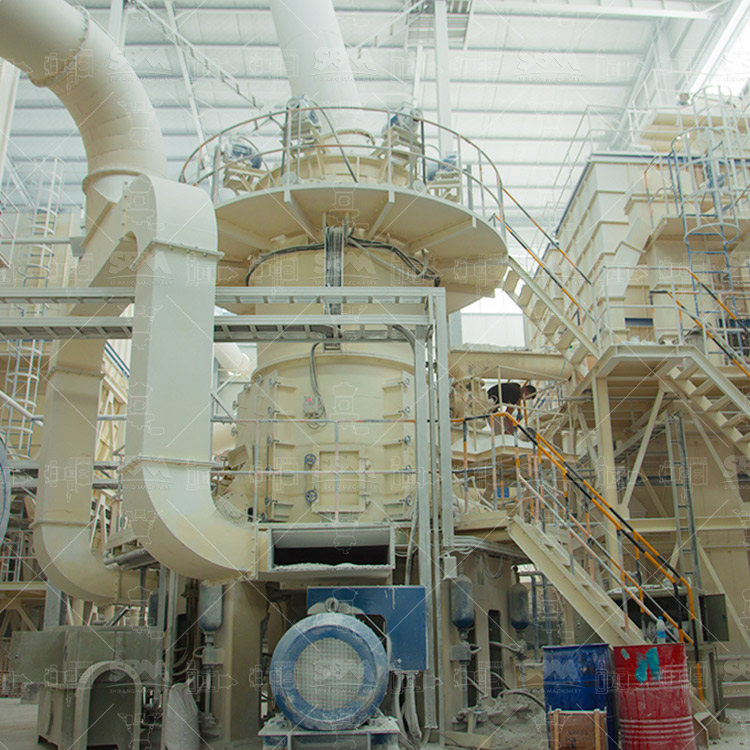
For applications demanding extreme fineness, such as in plastics masterbatch or advanced ceramics, the LUM Ultrafine Vertical Mill and the SCM Ultrafine Mill push the boundaries of automated precision. The LUM mill incorporates advanced multi-rotor classifier technology guided by a PLC system, allowing operators to dial in specific fineness parameters with digital accuracy. The intelligent control system automatically manages grinding pressure and rotational speeds, stabilizing output quality. Similarly, the SCM series features automatic feedback mechanisms for fast product grade conversion, ensuring that shifts in production specifications do not lead to prolonged downtime or wasteful trial runs.
Even in modernizing established technologies like the ball mill, automation and durability enhancements are key. SBM's optimized ball mills address the historical grievances of high wear and energy use through improved structural design and advanced materials, reducing the frequency of maintenance interventions—a critical factor for continuous, automated production lines. Meanwhile, the MTW European Trapezium Mill showcases how reliability is engineered into automation. Features like its inner oil absorption lubrication system and cone gear whole transmission are designed for sustained, unattended operation, reducing the risk of unexpected failures that disrupt automated processes.
The true potential of China's powder automation market lies in the seamless integration of such intelligent machines into cohesive systems. It's not merely about replacing a single mill but about re-engineering the material flow with smart conveyors, automated packaging, and centralized digital dashboards that monitor everything from energy consumption per ton to real-time particle size analysis. SBM's role as a total solution provider positions it to guide this integration, ensuring that individual automated components work in harmony to maximize throughput, minimize waste, and deliver a tangible return on investment through lower operational costs and superior product quality.
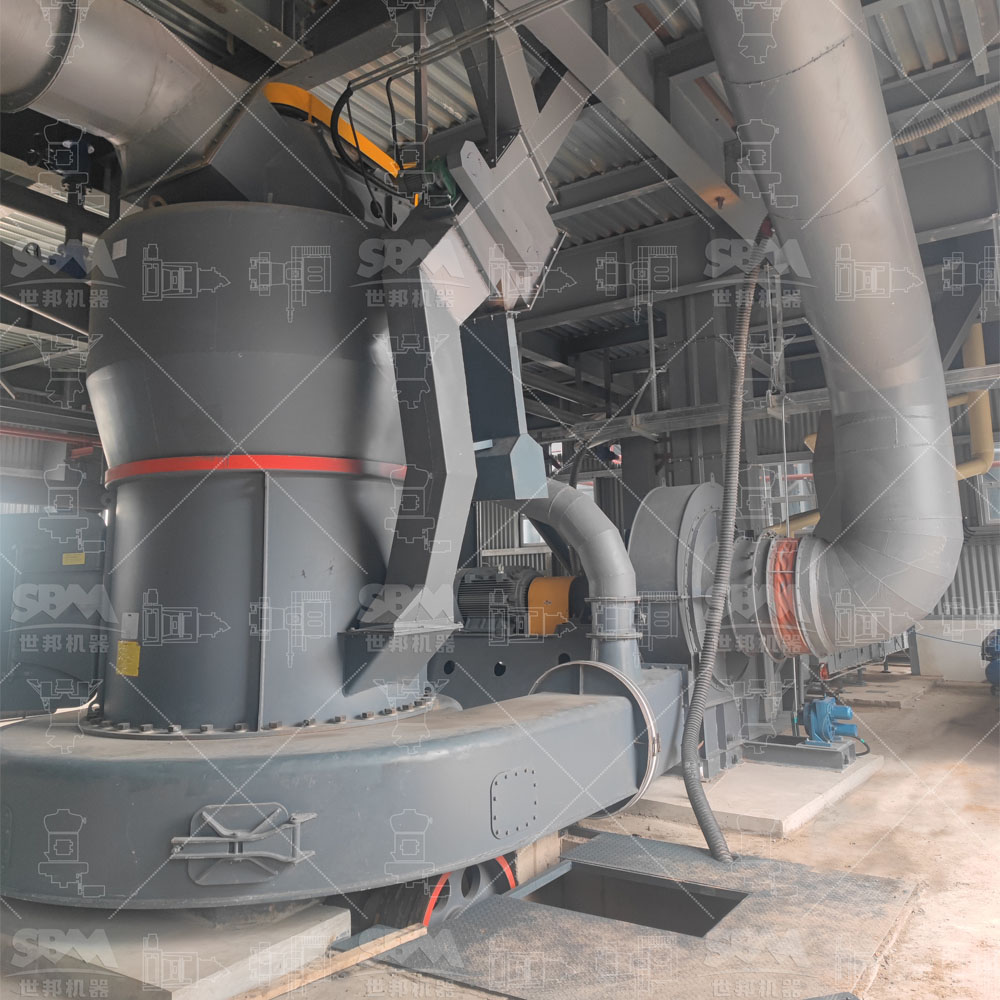
In conclusion, the trajectory of China's powder automation market is clear: it is moving decisively towards intelligent, environmentally sound, and highly efficient production. Success will belong to those who leverage technology that offers not just incremental improvements, but a fundamental rethinking of the grinding process. Equipment that embodies integrated design, expert control systems, and robust, low-maintenance operation—exactly the hallmarks of SBM's grinding solutions—will be the cornerstone of the automated, high-value powder processing plants of the future.
Frequently Asked Questions (FAQs)
Q1: What is the biggest operational challenge when transitioning to an automated powder grinding system?
A1: The most significant challenge is often achieving system stability and consistent product quality from the start. Automation requires precise calibration of all components. Choosing equipment with built-in expert control systems, like SBM's mills with PLC automation, can dramatically reduce commissioning time and ensure stable output by automatically adjusting key parameters.
Q2: How can automated milling help with increasingly strict environmental regulations?
A2: Modern automated mills are designed for closed-loop, negative-pressure operation, which contains dust completely. Furthermore, their inherent energy efficiency (using 30-40% less power than traditional systems) directly reduces the carbon footprint of the grinding process, aiding compliance with both emissions and energy consumption standards.
Q3: We need to produce multiple product grades. Will automation make changeovers complex and slow?
A3: On the contrary, a key advantage of automated systems is rapid, precise changeover. Mills with frequency-conversion classifiers and digital control systems, such as SBM's ultrafine vertical mills, allow operators to switch fineness settings digitally, with the system auto-adjusting. This minimizes transition time, reduces material waste, and maintains batch-to-batch consistency.
Q4: Is remote monitoring and operation a realistic feature for grinding equipment?
A4> Absolutely. It is a core component of Industry 4.0 in powder processing. Many advanced mills now offer remote control capabilities, allowing for operation, performance monitoring, and even basic troubleshooting from a centralized control room or off-site location, optimizing manpower and enabling 24/7 production management.
Q5: Our main concern is the high wear cost of grinding parts. Can automation address this?
A5> While automation itself doesn't reduce wear, the advanced mills designed for automated systems often incorporate features that do. For instance, designs with curved shovel blades, special material rollers and rings, and non-contact grinding principles significantly extend service life, reducing part replacement frequency and maintenance downtime—critical for uninterrupted automated production.


