

Material-to-mill ratio in production
Published on: October 26, 2023
In the competitive landscape of industrial powder processing, the relationship between raw material characteristics and mill selection—the Material-to-Mill Ratio—is a fundamental determinant of operational success. This concept extends beyond simple compatibility to encompass the holistic optimization of throughput, energy efficiency, particle size distribution, and total cost of ownership. For global operators across mining, chemicals, construction, and new energy sectors, achieving the ideal ratio means moving beyond a one-size-fits-all approach. It requires a strategic partnership with a solution provider capable of delivering tailored grinding systems engineered to extract maximum value from specific materials, from limestone and slag to advanced minerals like calcium carbonate and petroleum coke. This article explores how aligning material properties with advanced mill technology—from vertical rollers to ultrafine grinders—creates a sustainable competitive advantage.
The core challenge in any grinding operation is transforming raw feedstock into a specified product fineness while controlling the key variables of cost, energy use, and equipment longevity. A mismatch here leads directly to the common pain points: inconsistent product quality, frequent and costly downtime for part replacement, energy bills that erode profitability, and system bottlenecks that limit plant expansion. The solution lies in a precise technical evaluation where material hardness, abrasiveness, moisture content, desired output size, and required capacity are analyzed against the performance envelope of available milling technologies.
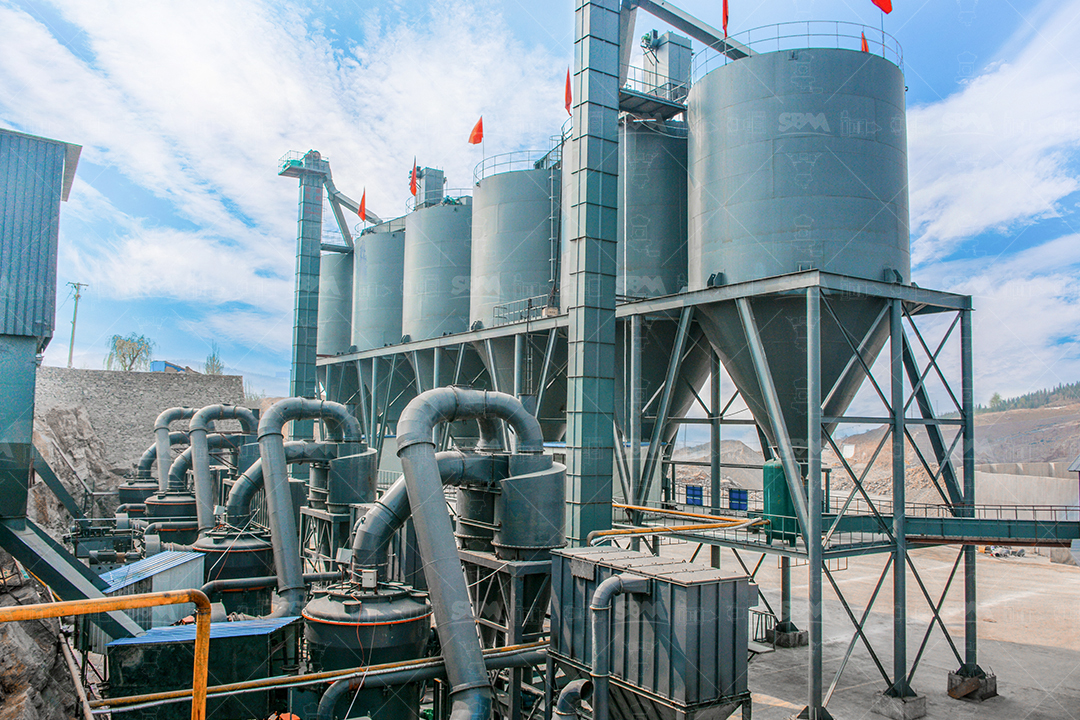 For instance, processing large volumes of limestone for desulfurization or coarse mineral ore demands high throughput and robust construction. Here, the MTW Series European Trapezium Grinding Mill presents a compelling solution. Its patented wear-proof shovel blade design and curved blade geometry directly address the痛点 of high wear part costs in abrasive applications. By allowing only the blade—not the entire assembly—to be replaced, maintenance downtime and spare part inventory costs are significantly reduced. Furthermore, its cone gear whole transmission and optimized arc air duct design minimize energy losses, improving the overall efficiency ratio between power input and material processed. This makes it ideal for achieving outputs between 30-400 mesh at capacities up to 40tph for moderately hard to hard materials.
When the priority shifts to massive-scale production with integrated drying, such as in cement or coal powder preparation, the system layout and energy footprint become paramount. The LM Vertical Roller Mill excels in this arena by fundamentally redefining the Material-to-Mill efficiency ratio. Its integrated design combines crushing, drying, grinding, and classification into a single, compact unit, reducing floor space by up to 50% compared to traditional ball mill systems—a major capital cost saving. The operating cost advantage is even more striking: the grinding principle of rollers onto a plate, without direct metal-to-metal contact, leads to remarkably less wear. Coupled with expert automatic control systems that stabilize operation, this technology can reduce specific energy consumption by 30-40% for the same output, directly tackling the痛点 of soaring energy expenses.
For high-value, superfine powders in industries like chemicals, plastics, and advanced materials, the equation changes. The focus turns to achieving ultra-tight particle size distributions (e.g., 2500 mesh) with minimal contamination and high classification accuracy. This is the domain of specialized ultrafine equipment. The SCM Ultrafine Mill and the LUM Ultrafine Vertical Mill are engineered for this precision. The SCM series, with its heavy-duty rotor and efficient turbine classifier, ensures stable output at fineness levels up to D97≤5μm, while its design more than doubles the output of some jet mills with 30% lower energy use. The LUM series takes it further by incorporating advanced multi-rotor separation technology and intelligent PLC control, allowing for precise, customizable fineness and stable material bed grinding. Both systems feature comprehensive sealing and high-efficiency dust collection, resolving the痛点 of product loss and environmental non-compliance in fine powder handling.
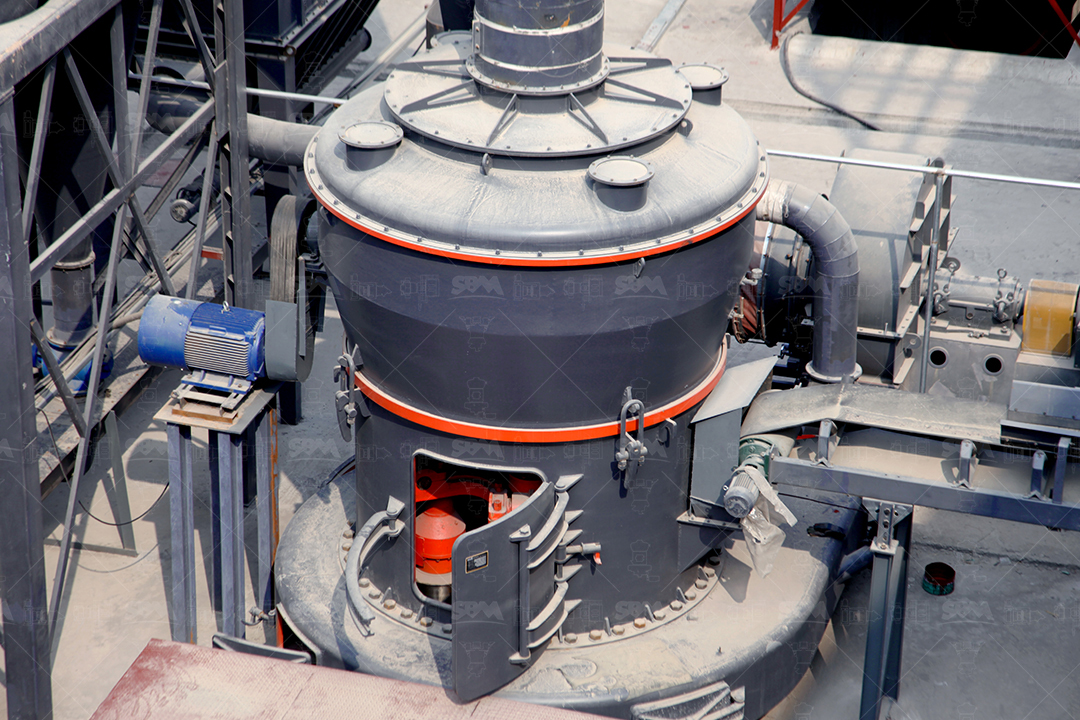 Even mature technologies like the Ball Mill have been re-engineered to improve their material efficiency ratio. Recognizing complaints about rapid liner and ball wear and high energy consumption, modern iterations utilize improved structural designs and advanced materials to extend part life and optimize grinding media motion. This proves that for certain applications, particularly wet grinding in mineral processing, an optimized traditional solution can offer the most favorable cost-to-performance ratio.
Ultimately, mastering the Material-to-Mill Ratio is not a one-time calculation but a continuous process supported by deep application expertise. A partner like SBM Machinery, with experience spanning over 180 countries and a portfolio covering the entire spectrum from coarse grinding to ultrafine processing, provides the technological breadth and project insight necessary to model this ratio accurately. The goal is to move from reactive problem-solving—addressing downtime, high wear, or energy waste—to proactive system design that ensures the mill is not just processing material, but adding value most efficiently from the first ton to the millionth.
Frequently Asked Questions (FAQs)
Q1: We experience rapid wear of grinding rollers and rings when processing highly abrasive materials. This leads to frequent shutdowns and high spare part costs. Is there a solution?
A: Absolutely. This is a common痛点. Our MTW European Trapezium Mill features a unique combined-type shovel blade design where only the blade tip needs replacement, not the entire assembly. Additionally, our vertical roller mills (LM, LUM) utilize a grinding principle that minimizes direct contact between rollers and the table, and both they and our ultrafine mills use specially formulated, durable materials for critical wear parts, extending service life severalfold.
Q2: Energy consumption is our biggest operational cost. Can new mill technology genuinely reduce it without sacrificing output?
A: Yes. Technological advancements directly target energy efficiency. For example, our LM Vertical Roller Mill can reduce energy consumption by 30-40% compared to a traditional ball mill system for the same output, thanks to its efficient grinding principle and integrated design. Our SCM Ultrafine Mill also operates at significantly lower energy consumption compared to alternative fine-grinding technologies like jet mills.
Q3: We need to produce very fine powders (over 2500 mesh) consistently, but our current equipment causes broad particle size distribution and product inconsistency.
A: Achieving high and consistent fineness requires specialized separation technology. Our LUM Ultrafine Vertical Mill employs a multi-rotor powder classifier based on advanced German technology, allowing precise cut-point control and ensuring no coarse powder spillover. The SCM series also features a high-efficiency vertical turbine classifier for accurate particle separation, enabling reliable production at D97≤5μm and beyond.
Q4: Dust emission and plant cleanliness are major concerns for our environmental compliance and worker safety. How are modern mills addressing this?
A: Environmental protection is a core design criterion. Our modern grinding systems, including the LM, LUM, and SCM mills, are fully sealed and operate under negative internal pressure. This prevents dust escape. They are equipped with high-efficiency pulse dust collection systems, often in a two-stage configuration, ensuring emissions are not only contained but often exceed national and international environmental standards.
Q5: Our production requires flexibility to handle different materials and product specifications. Is automated control available to manage these changes efficiently?
A: Yes, intelligent control is now standard. Our advanced mills come with PLC/DCS automatic control systems that allow for remote operation and easy parameter adjustment. Key variables like grinding pressure, classifier speed, and feed rate can be automated and stored for different recipes, enabling fast, stable product changeovers, reducing human error, and saving on labor costs.


